
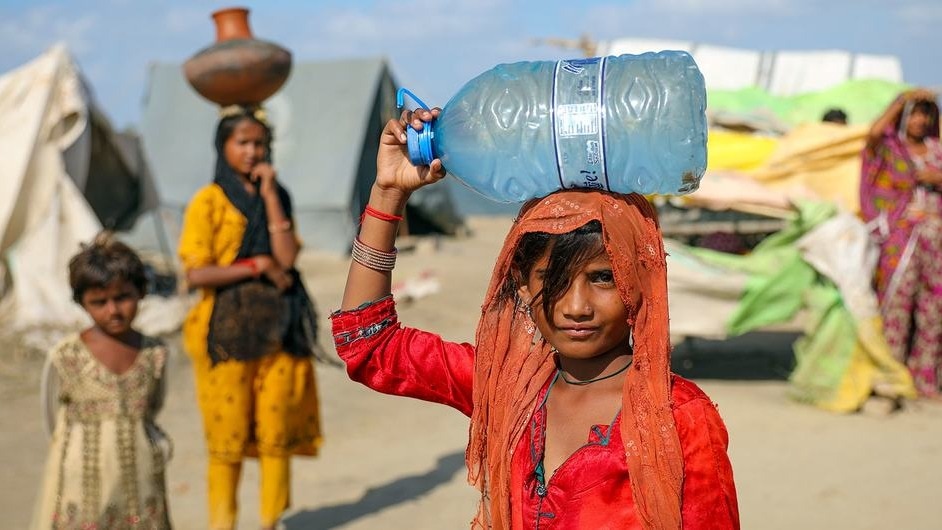
Nearly one-third of Pakistan grapples with a severe water crisis, particularly in Sindh and Balochistan. This follows India’s hold on the Indus Waters Treaty, exacerbating internal conflicts.
## Key Takeaways
– Nearly one-third of Pakistan’s population in agricultural regions faces severe water deficits.
– The crisis stems from India’s decision to place the Indus Waters Treaty in abeyance, linked to a terror attack.
– Internal provincial disputes over dwindling water shares are intensifying the crisis within Pakistan.
## Main Developments
A critical water shortage now affects nearly one-third of Pakistan’s population. This severe resource crunch is particularly acute in the agricultural heartlands of Sindh and Balochistan.
The crisis follows New Delhi’s decision to hold the decades-old Indus Waters Treaty in abeyance. This diplomatic move by India was a direct response to a Pakistan-sponsored terror attack in Pahalgam.
Data from Sindh’s irrigation department reveals significant shortfalls in key canals. The North West Canal shows a 64.1% deficit, while the Rice Canal and Dadu Canal report deficits of 38% and 82%, respectively.
Exacerbating the situation is an escalating internal conflict among Pakistan’s provinces. This dispute centers on the sharing of remaining water resources.
The acute water scarcity has fueled a fierce political blame game within Pakistan. Local leaders are also warning of an impending “economic massacre” due to plummeting downstream water flows.
## What Next
With downstream flows continuing to plummet, internal political tensions over water sharing are expected to escalate further. The fierce blame game among provinces will likely intensify as the crisis deepens.
Local leaders’ warnings of an “economic massacre” suggest that the immediate future will see significant focus on the economic repercussions. Monitoring these unfolding economic impacts will be crucial.
## Why This Matters
This severe water shortage threatens the livelihoods of nearly a third of Pakistan’s population. It directly impacts the agricultural sectors in Sindh and Balochistan, which are vital for the nation’s food security and economy.
The escalating internal conflict and political blame game between provinces over water resources pose a significant risk to Pakistan’s internal stability. These disputes could further destabilize regional relations within the country.
The crisis also highlights the sensitive geopolitical relationship between India and Pakistan, specifically regarding shared water resources. The abeyance of the Indus Waters Treaty underscores the broader implications of diplomatic responses to security incidents.
## Frequently Asked Questions
### What is the primary cause of Pakistan’s current water shortage?
The acute water shortage in Pakistan is largely attributed to India’s decision to hold the Indus Waters Treaty in abeyance. This diplomatic move was in response to a Pakistan-sponsored terror attack in Pahalgam.
### Which regions of Pakistan are most affected by the water crisis?
The agricultural heartlands of Sindh and Balochistan are particularly affected. Data shows significant water deficits in canals serving these areas, such as the North West Canal, Rice Canal, and Dadu Canal.
### What is the Indus Waters Treaty and why is it in abeyance?
The Indus Waters Treaty is a decades-old agreement between India and Pakistan regarding water sharing. India placed it in abeyance as a direct diplomatic response following a Pakistan-sponsored terror attack in Pahalgam.