## Key Takeaways
– Haiti’s national football team has modified its FIFA World Cup 2026 jersey design.
– The change was mandated after FIFA raised concerns about the original kit’s imagery.
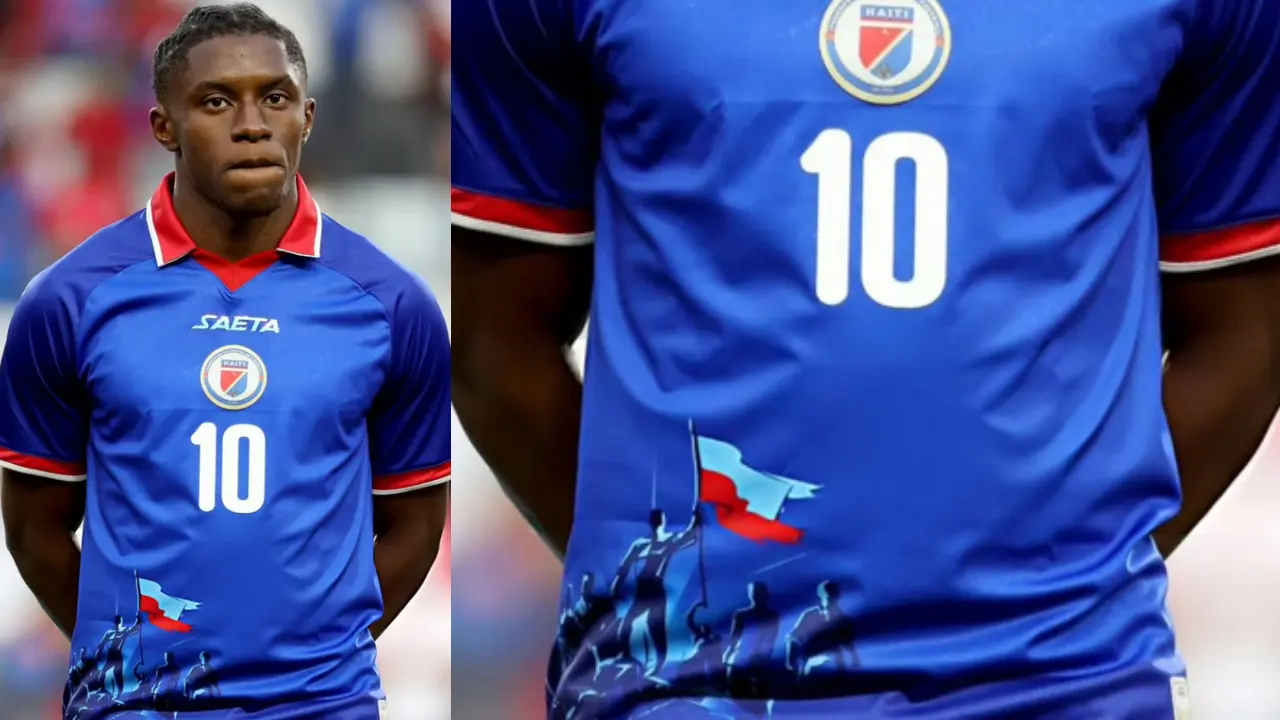
– The initial design reportedly depicted a scene related to the country’s struggle for independence.
## Main Developments
As the FIFA World Cup 2026 rapidly approaches, generating immense excitement among football enthusiasts globally, one participating nation, Haiti, has navigated an unexpected development off the pitch. The Haitian national team was required to alter its official tournament jersey after the sport’s global governing body, FIFA, objected to the initial design proposed for the prestigious event.
According to reports, the original jersey featured a depiction of a scene from Haiti’s historic struggle for independence. While such imagery profoundly resonates with national identity and heritage for many countries, FIFA expressed concerns regarding this specific design element. Consequently, the team complied with the directive and made the necessary modifications to its kit ahead of the tournament’s kickoff.
National team jerseys serve as powerful symbols, embodying a country’s identity, history, and aspirations on the international stage. For Haiti, a nation with a unique and significant history as the first independent nation of Latin America and the Caribbean, and the only nation in the world established as a result of a successful slave revolt, the initial design likely held deep cultural and historical importance. The decision to incorporate elements of its independence struggle onto the kit reflects a desire to carry that narrative onto the global sporting arena.
However, international sporting organizations like FIFA operate under specific regulations designed to govern all aspects of team participation, including kit design. These guidelines typically aim to foster a spirit of universal sportsmanship, maintain a focus purely on athletic competition, and ensure that team apparel adheres to standards that prevent the display of overtly political, religious, or potentially controversial messages. While the exact nature of FIFA’s specific objection to the depiction of Haiti’s independence struggle was not detailed, the request for a change underscores the delicate balance between national expression and the regulatory framework of global sports. Governing bodies often seek to ensure that symbolic elements are presented in a manner consistent with the tournament’s broader ethos of unity through sport, avoiding anything that could be perceived as divisive or distracting from the game itself.
Haiti is set to compete in Group C of the FIFA World Cup 2026, where they will face formidable opponents: Brazil, Morocco, and Scotland. Their tournament campaign is scheduled to begin with a match against Scotland on June 14, to be held at the Boston Stadium in Foxborough. The team’s participation marks a significant achievement, bringing national pride and global attention to their footballing efforts.
The World Cup itself is gearing up for a spectacular start. The mega event officially commences on June 12, with the opening clash featuring Mexico against South Africa at the Mexico City Stadium. As the world gears up to watch football icons take the field, the focus for Haiti will now undoubtedly shift entirely to their on-field performance, with the uniform matter now settled. The modification ensures that Haiti’s national team will compete in a kit that meets FIFA’s specifications, allowing the players to represent their nation under the globally recognized rules of the game.
The incident highlights the ongoing discussions about national identity and representation within the strictures of international sports governance. For participating nations, the journey to the World Cup is a culmination of years of effort, and every detail, including the design of the jersey, carries significant weight. Ultimately, while the initial design choice reflected a profound aspect of Haitian heritage, the necessity of adhering to global sporting regulations ensures a standardized platform for competition.
## Why This Matters
This development highlights the intricate intersection of national identity, historical representation, and the stringent regulatory environment of international sports. It underscores that even the seemingly simple aspect of a team’s uniform can become a focal point of discussion, reflecting the global governing body’s role in maintaining neutrality and specific standards within major tournaments. For Haiti, a nation with a rich and unique history, the jersey controversy brings attention to the challenges countries face in expressing their national narrative while conforming to universal sporting protocols. It also serves as a reminder that participation in global events like the FIFA World Cup involves adherence to a comprehensive set of rules that extend beyond the field of play.
## Frequently Asked Questions
###Why did Haiti have to change its jersey design for the World Cup?
Haiti was required to change its jersey design after FIFA objected to the original kit. The initial design reportedly depicted a scene from the country’s struggle for independence.
###When will Haiti play its first match in the FIFA World Cup 2026?
Haiti is scheduled to begin its FIFA World Cup 2026 campaign on June 14, facing Scotland at the Boston Stadium in Foxborough.
###Which teams are in Haiti’s group for the World Cup?
Haiti has been placed in Group C for the FIFA World Cup 2026, alongside Brazil, Morocco, and Scotland.