## Key Takeaways
– Actor Mahir Pandhi disclosed that Karan Johar’s ambitious film “Takht” was shelved due to difficulties in coordinating the schedules of its large ensemble cast.
– Pandhi also shared insights into various industry challenges, including exploitation within television, typecasting of actors, and the prevalence of regressive portrayals of women in content.
– He highlighted the positive impact of creative freedom and collaborative acting dynamics, citing his experience working on “Vimal Khanna” with Sunny Hinduja.
## Main Developments
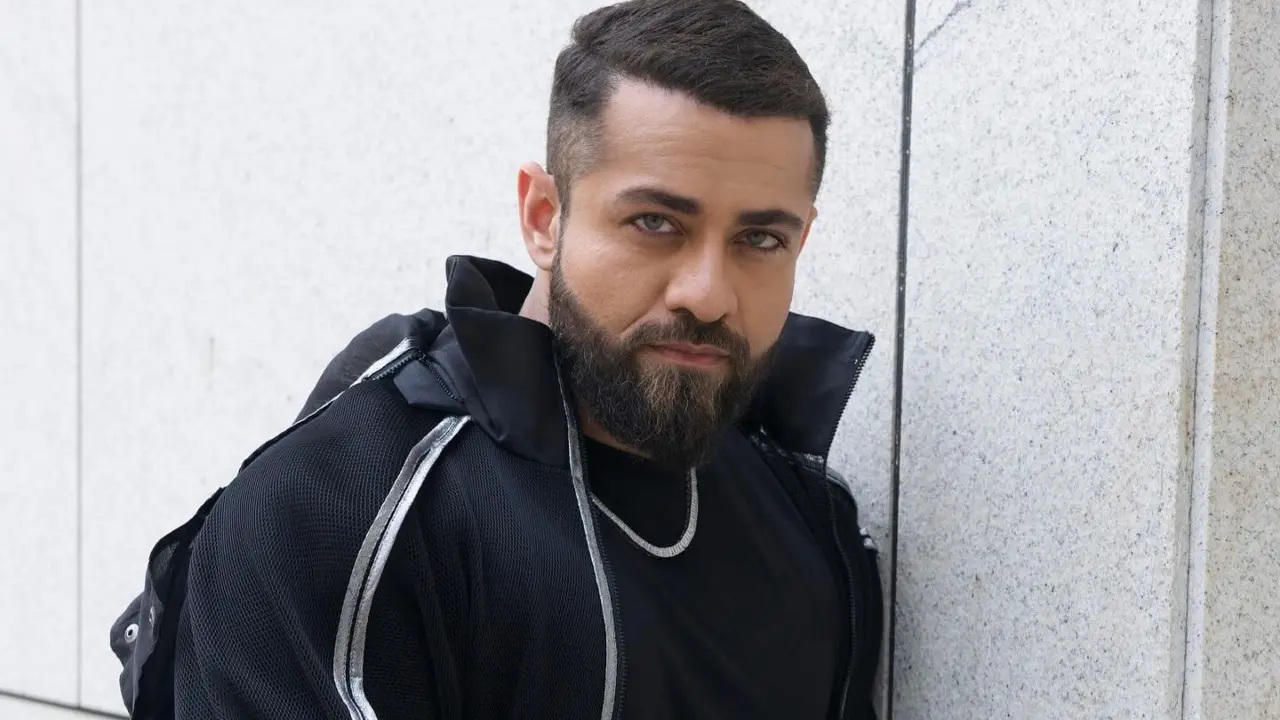
Actor Mahir Pandhi, currently making inroads across diverse entertainment platforms, recently offered candid insights into his career and broader industry dynamics during an exclusive conversation. Among his revelations, Pandhi confirmed the shelving of Karan Johar’s highly anticipated period drama, “Takht,” attributing the decision to the substantial logistical challenges involved in aligning the schedules of its numerous prominent actors.
The cancellation of a major production like “Takht” underscores a persistent hurdle in the film industry, particularly for projects aiming to unite a star-studded cast. Coordinating the professional commitments of multiple A-list actors, each with busy filming schedules, endorsement deals, and other obligations, often proves to be an insurmountable obstacle. Pandhi’s comments shed light on the complex interplay of factors that can derail even the most ambitious cinematic ventures, despite the creative vision and initial momentum. The intricate dance of schedules, often spanning months or even years of pre-production, can ultimately lead to a project being deemed unfeasible, resulting in significant financial and creative losses.
Beyond the specific details surrounding “Takht,” Pandhi also vocalized broader concerns affecting the entertainment landscape. He spoke openly about experiences of exploitation within the television sector, an issue that continues to be a point of contention for many artists working in the medium. These comments resonate with ongoing industry discussions about fair wages, working conditions, and contractual transparency for actors, especially those at earlier stages of their careers.
Furthermore, Pandhi addressed the prevalence of regressive portrayals of women in content, a critical topic that frequently draws scrutiny from audiences and critics alike. Such depictions can perpetuate harmful stereotypes and limit the scope for diverse, empowering narratives. His perspective adds to the growing call for more progressive and nuanced character development in film and television, reflecting a desire for content that mirrors contemporary societal values rather than reinforcing outdated ones.
The actor also touched upon the professional challenge of typecasting, a common experience for many performers. Early career roles can sometimes pigeonhole actors into specific character types, limiting their opportunities to explore a wider range of roles and demonstrate their versatility. Breaking free from these molds often requires significant effort and strategic career choices, highlighting the constant battle for creative evolution in a demanding industry.
In contrast to these industry-wide challenges, Pandhi shared a positive experience from his work on “Vimal Khanna.” He emphasized the value of creative freedom afforded to him during this project, which he credited with enabling him to fully inhabit his character. He further lauded the collaborative dynamic with his co-star, Sunny Hinduja, explaining that the synergistic “give-and-take” between actors elevates the quality of individual scenes and the overall production. This highlights the importance of a supportive set environment and strong artistic partnerships in fostering exceptional performances.
Pandhi’s reflections offer a multifaceted view of the entertainment industry, encompassing both the significant hurdles that can lead to the shelving of high-profile films and the systemic issues actors navigate daily. His insights also provide a glimpse into the rewarding aspects of the craft, such as the creative liberty and collaborative spirit that can truly enrich an actor’s work.
## Why This Matters
The revelation about “Takht” provides a rare glimpse into the practical realities behind major film production decisions. It illustrates that even projects backed by prominent filmmakers and featuring large ensembles can face insurmountable logistical challenges, impacting the creative output of the industry and the expectations of audiences. For aspiring filmmakers and industry professionals, it serves as a stark reminder of the complexities inherent in bringing large-scale visions to the screen.
Furthermore, Mahir Pandhi’s candid discussions on exploitation in television, regressive portrayals, and typecasting are crucial. Such honesty from within the industry can fuel necessary conversations about improving working conditions, promoting equitable representation, and fostering a more diverse and inclusive creative environment. These issues affect not only the careers and well-being of artists but also the quality and impact of the content consumed by millions, influencing societal perspectives and cultural narratives. His comments underscore the ongoing need for advocacy and change to ensure a healthier and more progressive entertainment ecosystem.
## Frequently Asked Questions
###What was the primary reason given for Karan Johar’s “Takht” being shelved?
Mahir Pandhi stated that “Takht” was shelved because it became impossible to coordinate and bring all the actors together due to scheduling difficulties.
###What other industry issues did Mahir Pandhi discuss during his interview?
Pandhi also spoke about exploitation within the television industry, the challenge of being typecast in roles, and the prevalence of regressive portrayals of women in content.
###What positive professional experience did Mahir Pandhi highlight?
He highlighted his positive experience working on “Vimal Khanna,” crediting the creative freedom he enjoyed and the effortless give-and-take with co-actor Sunny Hinduja for enhancing his performance and scene outcomes.