
## Key Takeaways
– Former Australian great Greg Chappell has lauded 15-year-old Vaibhav Sooryavanshi’s technically pure and aesthetically pleasing batting style.
– Chappell highlights Sooryavanshi’s “organic symmetry” as a refreshing contrast to the prevalence of “crude, muscle-bound power-hitting” in modern cricket.
– Despite his admiration for Sooryavanshi, Chappell voiced concerns about the growing imbalance in cricket favoring the bat over the ball.
## Main Developments
Former Australian batting maestro and ex-India coach, Greg Chappell, has expressed profound admiration for the burgeoning talent of 15-year-old cricketer Vaibhav Sooryavanshi. Chappell, widely recognized as a perceptive authority on batting technique, offered an eloquent assessment of the young player, describing his approach as a beacon of technical purity amidst contemporary cricketing trends.
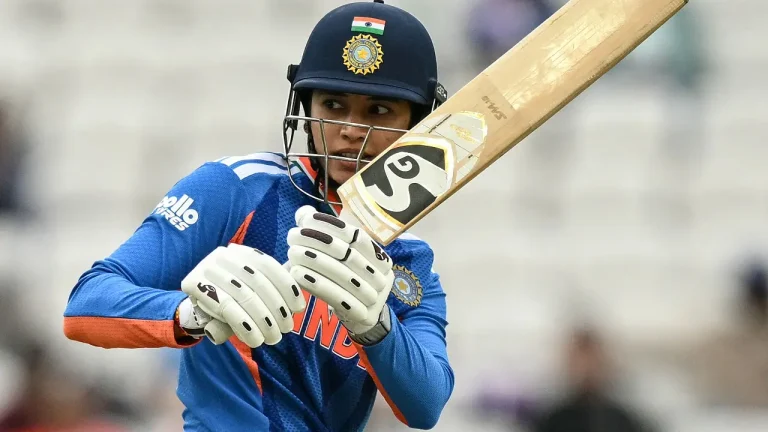
Chappell’s observations, shared in his column for ESPNcricinfo, spotlight Sooryavanshi’s distinct style, characterized by a “clean, uninhibited bat swing.” He noted that this swing possesses an “organic symmetry,” a quality that he believes resonates with the finest aestheticians in cricket history. This commendation from such an esteemed figure carries considerable weight, aligning with earlier praise from other cricketing legends like Sachin Tendulkar, Ravi Shastri, and Sunil Gavaskar, who have also recognized the teenager’s promising abilities.
In his detailed analysis, Chappell drew a clear distinction between Sooryavanshi’s method and what he termed the “crude, muscle-bound power-hitting” often seen in the modern game. He perceives Sooryavanshi’s technique as elevating the art of batting, emphasizing a refined approach over sheer brute force. This perspective from Chappell, given his extensive experience as a top-level batsman and a coach, signals a significant endorsement of the young cricketer’s potential to make a substantial impact.
Beyond his specific praise for Sooryavanshi, Chappell also articulated a broader apprehension regarding the current state of cricket. He voiced concerns about what he sees as an increasing imbalance within the sport, where the bat’s dominance over the ball has become pronounced. This observation from Chappell underlines a critical debate within cricketing circles about maintaining competitive equilibrium between batting and bowling disciplines. The former Australia captain’s dual focus—celebrating individual brilliance while also pointing out systemic challenges—provides a comprehensive view of his thoughts on the game’s evolution.
Chappell’s stature in the world of cricket is formidable. As a stylish right-handed batsman, he captained Australia, and later served as the head coach for the Indian national team, a tenure during which he gained intricate knowledge of subcontinental cricket. His expertise is not merely confined to technique but extends to the strategic and philosophical aspects of the game. Therefore, his discerning eye not only identifies rare talent like Sooryavanshi but also keenly observes the larger shifts influencing cricket’s future. His comments invite a deeper reflection on what constitutes cricketing excellence and what factors contribute to the sport’s appeal and fairness.
The emergence of a player like Sooryavanshi, whose classical yet effective technique stands out, particularly appeals to purists like Chappell. In an era often characterized by explosive, boundary-hitting prowess, Sooryavanshi’s style appears to harken back to a more traditional, aesthetically pleasing form of batting. This contrast forms a significant part of Chappell’s appreciation, suggesting that genuine skill and artistic execution remain highly valued, even as the game accelerates. His concern about the bat-ball imbalance can be seen as an appeal for the sport to ensure that all facets of the game, including skillful bowling, receive adequate encouragement and reward.
The attention garnered by Vaibhav Sooryavanshi from such esteemed figures bodes well for his future trajectory in cricket. His ability to captivate an expert like Greg Chappell, who is not easily impressed, marks him as a talent of considerable promise. As cricket continues to evolve, observations from figures like Chappell serve as important guideposts, highlighting both the exciting individual talents emerging and the critical challenges that need to be addressed for the sport’s sustained health and competitive integrity.
## Why This Matters
The recognition of Vaibhav Sooryavanshi by Greg Chappell holds significant implications for the future of cricket. Chappell’s praise validates a technically pure batting approach, suggesting that artistry and classical technique can still thrive and be highly effective in an era often dominated by power hitting. For young cricketers, Sooryavanshi’s rise offers inspiration that meticulous skill development remains paramount. Furthermore, Chappell’s concern about the bat-ball imbalance underscores a critical ongoing debate in cricket, prompting stakeholders to consider how to maintain competitive equilibrium, ensure fair contests, and preserve the long-term health of the game for both batsmen and bowlers. Sooryavanshi’s unique style, therefore, becomes a focal point in this broader discussion about cricket’s aesthetic and competitive future.
## Frequently Asked Questions
##Who is Vaibhav Sooryavanshi?
Vaibhav Sooryavanshi is a 15-year-old cricketer who has gained significant attention and praise from prominent figures in the cricketing world, including former Australian batsman Greg Chappell.
##Why are Greg Chappell’s comments about Sooryavanshi significant?
Greg Chappell is a highly respected batting expert and former India coach. His praise for Sooryavanshi’s “technical purity” and “organic symmetry” in batting is a major endorsement, lending substantial weight to the young player’s potential, especially since it contrasts with prevalent modern power-hitting styles.
##What broader concern did Greg Chappell express alongside his praise for Sooryavanshi?
Greg Chappell expressed worry about the increasing imbalance in cricket, specifically noting the dominance of the bat over the ball. This highlights a critical issue regarding the competitive nature and long-term health of the sport.