
## Key Takeaways
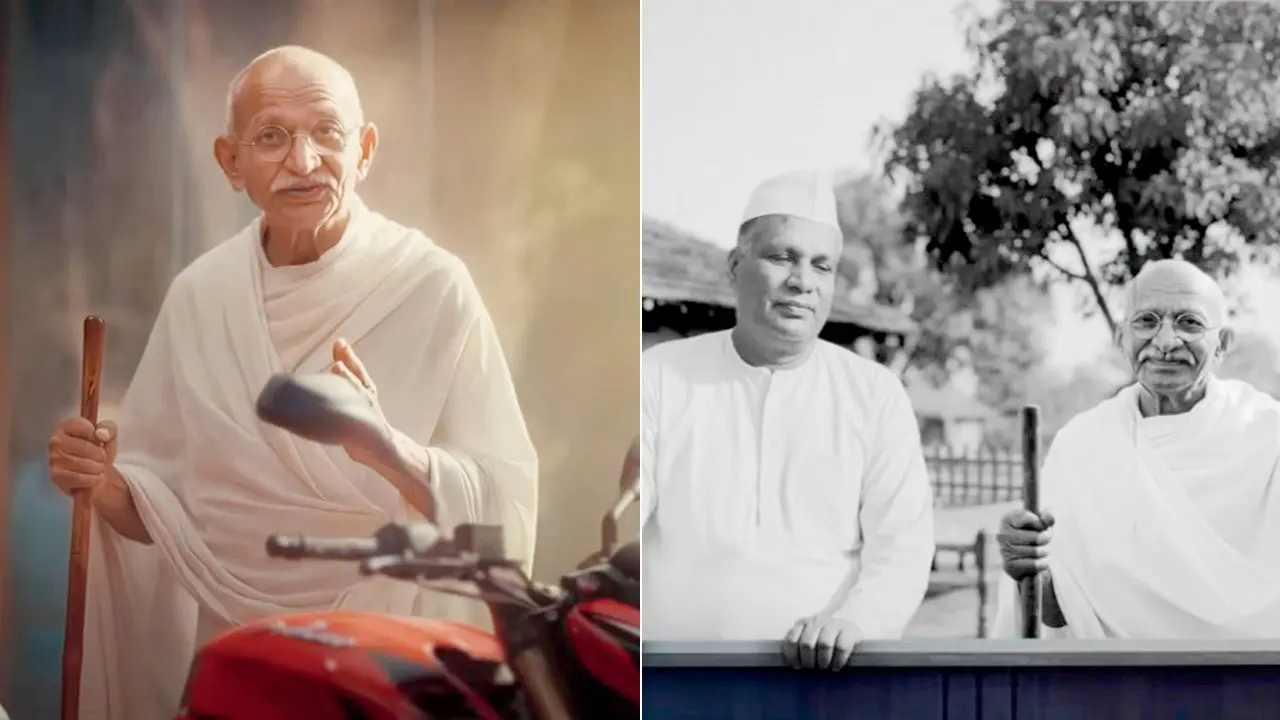
– Filmmaker Rajkumar Hirani utilized Generative AI and advanced digital techniques to feature Mahatma Gandhi in a new nine-minute film, “100 Years Of Bajaj.”
– The project, a tribute to Jamnalal Bajaj, integrates performance capture, voice and facial cloning, and AI-generated visuals, showcasing innovative applications of technology in narrative creation.
– Hirani’s approach underscores AI’s capacity to enhance storytelling possibilities rather than replacing traditional human creative efforts.
## Main Developments
In a notable advancement for cinematic storytelling, acclaimed filmmaker Rajkumar Hirani has employed Generative AI to bring the iconic figure of Mahatma Gandhi to life in his latest project. The nine-minute film, titled “100 Years Of Bajaj,” serves as a poignant tribute to Jamnalal Bajaj, aiming to weave together multiple generations of the Bajaj family within a singular narrative. This innovative endeavor marks a significant evolution in how historical figures can be depicted on screen, particularly for a director previously known for his nuanced portrayals of Gandhi.
Nearly two decades ago, Hirani’s critically acclaimed film “Lage Raho Munna Bhai” (2006) featured actor Dilip Prabhavalkar in the role of Mahatma Gandhi. Fast forward to the present, and Hirani, in collaboration with Studio Blo, has ventured into a new realm, effectively “casting Gandhi himself” through the sophisticated application of artificial intelligence. This shift from an actor’s physical embodiment to a digital recreation underscores a transformative moment in filmmaking, opening new avenues for narrative authenticity and historical representation.
The “100 Years Of Bajaj” project is a complex tapestry of cutting-edge technologies. It seamlessly integrates a variety of digital and performance-based techniques, including performance capture, which records human movement for digital characters, and advanced voice and facial cloning, which meticulously reconstructs a person’s vocal patterns and physical appearance. These digital innovations are further complemented by traditional theatre performances, suggesting a hybrid approach that marries established artistic methods with emerging technological capabilities. The culmination of these elements results in compelling AI-generated visuals that enable Mahatma Gandhi’s presence within the film.
Hirani’s deliberate choice to incorporate Generative AI is rooted in a specific creative philosophy: to demonstrate how artificial intelligence can serve as a powerful tool for storytelling, rather than acting as a substitute for human creativity and narrative craft. This perspective positions AI not as a competitor to artists, but as an expansive resource that can enrich and broaden the scope of cinematic expression, particularly when dealing with revered historical personalities whose physical presence is no longer possible.
The film’s objective extends beyond mere technological display. By honoring Jamnalal Bajaj and endeavoring to unite diverse generations of the Bajaj family, the project implicitly connects with a century of Indian history, an era profoundly influenced by figures such as Mahatma Gandhi. The decision to feature Gandhi in this tribute suggests an intent to imbue the narrative with a sense of historical continuity and national significance, aligning the Bajaj legacy with broader cultural and historical currents. The ability to render Gandhi digitally allows for an unprecedented level of interaction within this historical context, potentially offering a unique perspective on the intersection of individual legacies and national movements.
This pioneering work by Rajkumar Hirani and Studio Blo, updated in June 2026, positions them at the forefront of exploring AI’s transformative potential in the entertainment industry. It highlights a future where technological innovation can unlock new dimensions of narrative possibility, enabling filmmakers to interact with history and iconography in ways previously unimaginable. The meticulous blending of various techniques — from performance capture to AI-generated visuals — exemplifies a sophisticated approach to digital recreation, setting a benchmark for future projects that aim to integrate historical figures through artificial intelligence.
## Why This Matters
This project represents a significant milestone in the intersection of technology and art, offering profound implications for how historical figures and legacies are preserved and presented in contemporary media. Rajkumar Hirani’s use of Generative AI to depict Mahatma Gandhi is not merely a technical feat; it redefines the boundaries of cinematic realism and historical portrayal. For audiences, it means potentially experiencing historical icons in new, immersive ways, fostering a deeper connection to past events and personalities without the limitations of traditional casting.
The initiative also sparks crucial discussions within the film industry regarding the role of AI. Hirani’s stated goal of using AI to “serve storytelling, not replace it” offers a guiding principle for responsible innovation, suggesting a future where technology enhances human creativity rather than diminishing it. This distinction is vital for artists and creators navigating the rapid evolution of AI tools, encouraging exploration of how these technologies can open new creative avenues rather than simply automate existing processes.
Furthermore, this development bears relevance for cultural heritage and historical education. The ability to digitally recreate figures like Mahatma Gandhi allows for their presence in narratives that might otherwise be constrained by the lack of historical footage or suitable actors. This could lead to innovative educational content and documentaries that bring history to life with unprecedented fidelity, ensuring that the stories and influences of pivotal historical figures continue to resonate with future generations through new and engaging mediums. The project sets a precedent for how national icons and their legacies can be celebrated and explored, ensuring their enduring impact through cutting-edge technological applications.
## Frequently Asked Questions
##What is the title of Rajkumar Hirani’s new film featuring Mahatma Gandhi?
The nine-minute film is titled “100 Years Of Bajaj,” created as a tribute to Jamnalal Bajaj.
##Which specific technologies were utilized to bring Mahatma Gandhi to life in the film?
The project employed a blend of advanced technologies including performance capture, voice cloning, facial cloning, traditional theatre performances, and AI-generated visuals.
##What is Rajkumar Hirani’s stated philosophy regarding the use of AI in filmmaking?
Rajkumar Hirani has expressed that his approach aims to demonstrate how AI can serve storytelling, enhancing narrative possibilities, rather than replacing human creativity in the filmmaking process.