
## Key Takeaways
– Bitcoin has fallen below $60,000, marking its lowest point in nearly two years and representing a 50% drop from its October 2025 peak.
– The broader digital asset market has shed approximately $2 trillion in value since October, with total market capitalization halving.
– Investor exits from risk assets, weak demand, outflows from exchange-traded funds (ETFs), and shifting interest rate expectations are driving the downturn.
## Main Developments
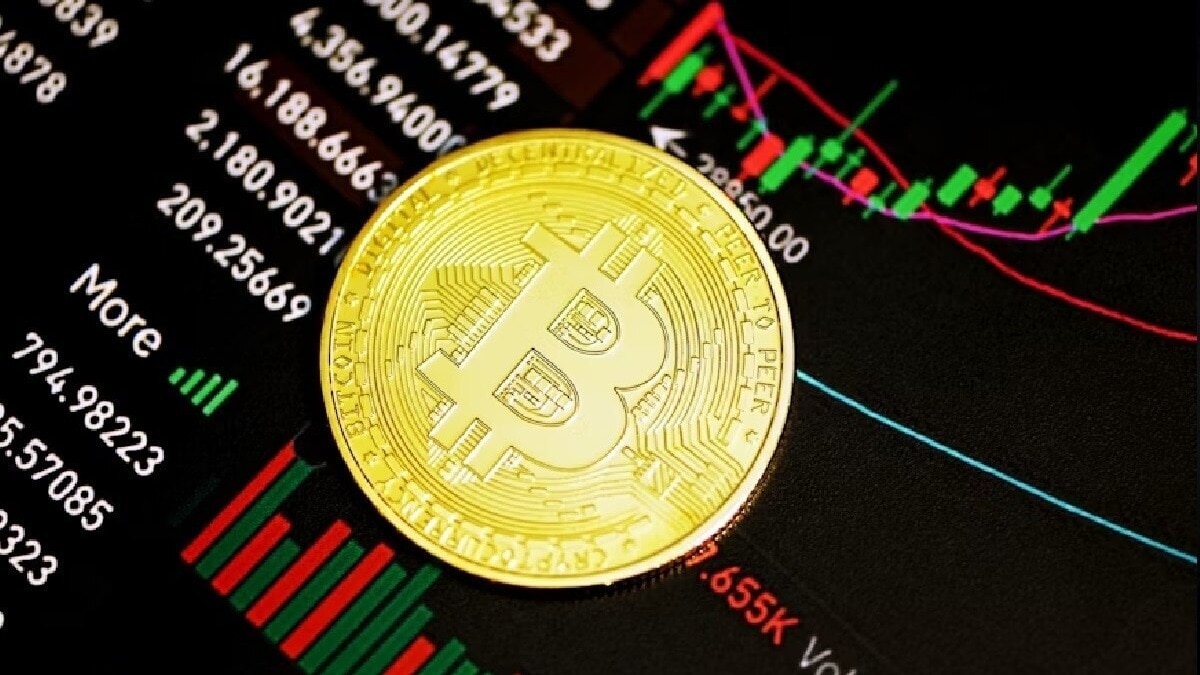
The cryptocurrency market is currently navigating a substantial period of correction, marked most prominently by Bitcoin’s recent fall below the $60,000 threshold. This development represents a significant moment for the digital asset space, as it is the first time in nearly two years that the world’s largest cryptocurrency has traded at such a level. The immediate impact has been a wave of fresh concerns among market participants regarding the stability and future trajectory of digital assets.
This latest price depreciation, which occurred on Friday, pushed Bitcoin to its lowest valuation point since October 2024. The speed and scale of this decline highlight a prevailing sentiment among investors to divest from riskier holdings. For context, Bitcoin had achieved an impressive peak valuation of over $126,000 in October 2025. The present price therefore signifies a drop exceeding 50% from that all-time high, underscoring the profound nature of the current market adjustment. This dramatic reversal has prompted many to re-evaluate the immediate prospects for cryptocurrencies.
The ripple effect of Bitcoin’s performance is evident across the broader digital asset market, which has collectively experienced a severe contraction. Since October, the total value of this market has diminished by nearly $2 trillion. This extensive loss translates to a reduction from an approximate total market capitalization of $4.2 trillion to a current figure of around $2.1 trillion. Such a significant erosion of wealth within a relatively short period signals widespread pressures affecting virtually all digital currencies, indicating a systemic shift rather than an isolated incident for Bitcoin alone.
Several interconnected factors are contributing to this accelerated downturn in the cryptocurrency market. A key driver is the pronounced trend of investors moving away from risk assets. In periods characterized by heightened economic uncertainty, inflation worries, or shifts in monetary policy, capital often flows out of speculative investments and into more traditional, less volatile assets. This flight to perceived safety directly impacts the valuations of assets like Bitcoin, which are often considered high-risk, high-reward propositions. The urgency with which investors are exiting these positions is a testament to the current market anxiety.
Another influential factor is the evident weak demand for digital assets. When buying interest wanes, the market experiences an imbalance where sellers outnumber buyers, leading to competitive price reductions. This subdued demand indicates a broader hesitation among potential investors, both retail and institutional, to commit new capital to the sector at current price points. The absence of robust demand makes it challenging for prices to stabilize or recover, further entrenching the downward spiral.
Adding to the selling pressure are significant outflows from Bitcoin exchange-traded funds (ETFs). These financial products, once hailed for potentially opening up cryptocurrency investment to a wider audience, are now seeing capital withdrawn. Such outflows suggest that some investors who initially entered the market through these regulated vehicles are now choosing to liquidate their positions. This trend can reflect a re-evaluation of investment strategies, a response to poor performance, or a general reduction in exposure to the crypto market via established financial channels.
Furthermore, evolving interest-rate expectations are playing a crucial role in shaping investor behavior. Central banks worldwide are contemplating or implementing adjustments to interest rates in response to various economic indicators. Higher interest rates typically increase the cost of borrowing and can make less risky investments, such as government bonds or savings accounts, more attractive by offering better returns. This shift in the risk-free rate can diminish the appeal of speculative assets like cryptocurrencies, prompting investors to reallocate their funds towards instruments with more predictable yields and lower inherent risk. The anticipation of future rate changes can thus influence investment decisions well in advance of actual policy shifts.
The cumulative effect of these formidable pressures—the retreat from risk assets, diminished demand, substantial ETF outflows, and changing interest rate outlooks—has created a particularly challenging environment for digital currencies. The pronounced decline of Bitcoin from its October 2025 peak by over 50%, alongside the estimated $2 trillion loss in overall market capitalization, signals a significant re-pricing phase for the entire sector. Market participants are now grappling with serious considerations regarding the short-term stability and long-term viability of digital assets amidst such profound corrections.
This period of marked volatility serves as a critical reminder of the complex interplay between macroeconomic forces, investor psychology, and the unique structural elements of the cryptocurrency market. Understanding how global financial trends, perceived risk, and specific investment vehicle performance converge is essential for anyone involved in this evolving sector. As Bitcoin continues to hover below critical price levels, the market remains intensely focused on these influencing factors and their potential to dictate the direction of digital assets in the months ahead. The current environment calls for diligent analysis and a clear understanding of the underlying causes driving these significant market movements.
## Why This Matters
The recent significant decline in Bitcoin’s value and the broader cryptocurrency market holds substantial implications for various stakeholders. For individual investors, particularly those who entered the market closer to Bitcoin’s peak or have substantial holdings, the 50% drop from its October 2025 high and the general market contraction represent considerable financial losses and heightened uncertainty. It underscores the inherent volatility of digital assets and the rapid shifts that can occur, impacting personal wealth and investment strategies.
Beyond individual portfolios, the downturn raises questions about the broader stability of the digital asset ecosystem. The loss of nearly $2 trillion in market capitalization since October highlights that these aren’t isolated incidents but rather systemic movements influenced by macroeconomic factors like interest-rate expectations, investor sentiment towards risk, and the performance of institutional investment products like ETFs. This market adjustment can influence technological innovation within the blockchain space, potentially affecting funding for new projects and the pace of adoption.
For financial institutions and regulators, the current environment provides further data on the behavior of this nascent asset class under stress. The factors contributing to the decline—investor exits, weak demand, and ETF outflows—offer insights into how traditional financial forces interact with the crypto market. This understanding is crucial for developing appropriate regulatory frameworks and risk management strategies to safeguard investors and maintain financial stability as digital assets become more integrated into the global economy. Ultimately, the market’s current state serves as a powerful reminder of the dynamic and often unpredictable nature of investments in the digital realm.
## Frequently Asked Questions
What is the extent of Bitcoin’s recent price decline?
Bitcoin recently fell below $60,000, which marks its lowest price point in nearly two years and represents a decline of over 50% from its peak of more than $126,000 recorded in October 2025. It hit its lowest level since October 2024 on Friday.
How has the broader digital asset market been affected by recent trends?
The wider digital asset market has experienced a significant decline, losing approximately $2 trillion in value since October. Its total market capitalization has reduced from about $4.2 trillion to $2.1 trillion.
What factors are contributing to the current downturn in cryptocurrency values?
Several factors are contributing to the decline, including investors moving away from risk assets, weak demand for digital currencies, substantial outflows from Bitcoin exchange-traded funds (ETFs), and changing expectations regarding interest rates.