## Key Takeaways
– Suryakumar Yadav has been removed as India’s T20I captain less than three months after leading the team to a T20 World Cup victory.
– The decision stems from a combination of poor batting form and perceived complacency, including a public focus on the 2028 Los Angeles Olympics.
– Selectors provided an opportunity in the Indian Premier League for him to regain form, but he struggled significantly, scoring 270 runs in 13 matches.
## Main Developments
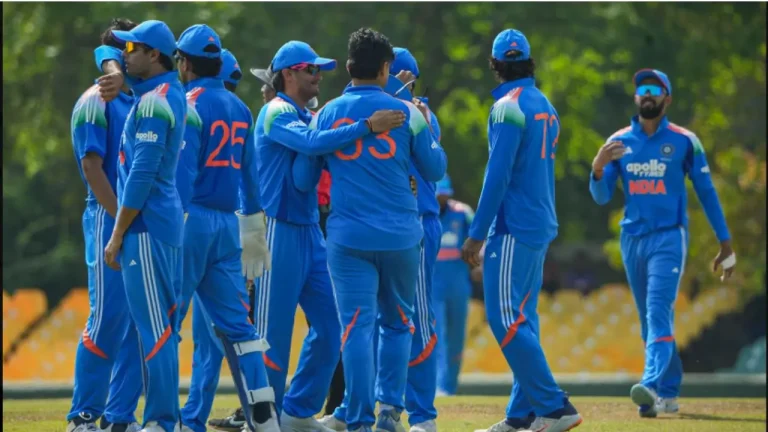
In a notable development that underscores the relentless demands of international cricket, Suryakumar Yadav has been relieved of his duties as the T20I captain of the Indian team. This significant change comes less than three months after he steered the Men In Blue to a memorable triumph in the T20 World Cup, a victory celebrated widely across the nation. The abruptness of this decision, following such a high-profile success, has drawn considerable attention to the underlying factors that led to the change in leadership.
The core reasons cited for Yadav’s removal are a challenging combination of perceived complacency and a sustained period of poor batting performance. This dual assessment suggests that the issues leading to the captaincy change were not isolated incidents but rather a culmination of both mindset and on-field execution. The article indicates that his complacency was evident if he held the belief that he could maintain his position without consistently delivering significant scores.
The backdrop to this decision includes India’s T20 World Cup victory, where Yadav led the team to glory at the Narendra Modi Stadium in Ahmedabad. Such an achievement typically solidifies a captain’s standing, making the subsequent removal all the more striking. However, the period immediately following this success appears to have been fraught with personal challenges in his game, prompting a re-evaluation of his role.
A pivotal moment that reportedly raised concerns occurred shortly after the World Cup win. Suryakumar Yadav publicly expressed his aspirations to participate in the Los Angeles Olympics in 2028. This declaration, coming at a time when he had already been struggling with his batting for several months, surprised many observers. For a player facing a dip in form, an outward focus on a future, distant event outside immediate cricketing commitments was interpreted by some as a potential misdirection of priorities. The sentiment expressed was that any individual who might have encouraged him to believe his role was secure without consistent scoring had fundamentally misguided him.
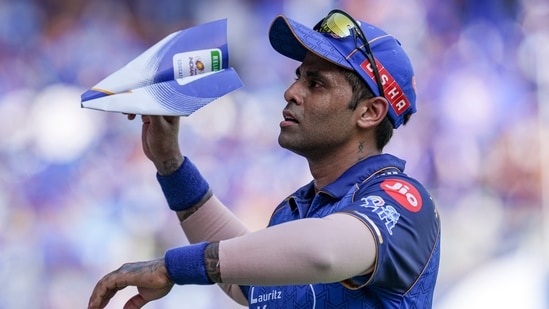
The selectors, however, did not act immediately following the T20 World Cup triumph. Their approach was more considered, providing the 35-year-old cricketer with a crucial opportunity to rediscover his form and solidify his place, not just as a player but potentially as a leader. This chance was specifically offered through his participation in the Indian Premier League (IPL) season. The expectation from the selection committee was clear: they anticipated him to return to scoring “big runs” in the high-stakes environment of the IPL. This period was designed as a direct test of his current capabilities and his commitment to overcoming his batting struggles.
Regrettably, Suryakumar Yadav’s performance in the Indian Premier League did not meet these expectations. The season proved to be a significant disappointment for him, as he “flopped big time,” to use the article’s direct assessment. Across 13 games in the tournament, he managed to accumulate just 270 runs. This tally reflects a substantial struggle at the crease, failing to provide the impactful performances that are characteristic of a player of his calibre, particularly one under such intense scrutiny.
Further illustrating his difficulties, his average for the IPL season stood at a modest 20.77. In the context of top-tier T20 cricket, where consistent high scores are paramount, such an average for a leading batsman is generally considered underwhelming. While his strike rate of 147.54 indicates that he still attempted to play with intent and score quickly, this aggression was not complemented by the required volume of runs. The article points out that “At that average, his strike rate of 147.54 becomes total,” implying that even a decent strike rate could not compensate for the significant lack of runs and a low average, especially when the explicit goal was for him to get back to scoring “big runs.”
The combined weight of his prolonged batting struggles, spanning many months leading up to and including the IPL, coupled with the perception of complacency highlighted by his Olympic aspirations, ultimately sealed his fate as captain. The selectors’ decision to remove him from the T20I leadership role underscores the principle that in elite sports, consistent performance and unwavering focus remain paramount, regardless of past achievements or current stature. The opportunity presented in the IPL was a final chance to demonstrate that he could meet the rigorous demands of leadership and on-field excellence, an opportunity he unfortunately could not capitalize on. This transition marks a significant moment for Indian cricket, reflecting a clear stance on accountability and the high standards expected from its leaders and star players.
## Why This Matters
The removal of Suryakumar Yadav from India’s T20I captaincy, especially so soon after a World Cup victory, sends a clear message about the unwavering demands of international cricket. It highlights that past laurels, no matter how significant, do not guarantee a sustained role if current performance and focus are not at optimal levels. This decision underscores the ruthless nature of elite sports, where continuous excellence is expected from even the most accomplished players and leaders.
For readers, this development showcases the intense pressure on top athletes to not only perform consistently but also to maintain a singular focus on their immediate cricketing responsibilities. It signals that complacency, particularly when accompanied by a dip in form, can have severe consequences, including the loss of leadership positions. The situation serves as a powerful reminder that in professional sports, accountability extends to every aspect of a player’s career, from their physical output on the field to their public declarations and perceived commitment. This shift in captaincy could also have broader implications for team dynamics and future leadership strategies within Indian cricket.
## Frequently Asked Questions
Why was Suryakumar Yadav removed from T20I captaincy?
Suryakumar Yadav was removed from T20I captaincy due to a combination of factors, primarily his prolonged poor batting form and a perceived sense of complacency. The article mentions his focus on the 2028 Los Angeles Olympics shortly after the World Cup win, which surprised many given his ongoing struggles with the bat.
How long after the T20 World Cup triumph was he removed?
He was removed from the T20I captaincy almost three months after leading the Indian team to victory in the T20 World Cup.
What was his performance in the Indian Premier League, which was given as a chance to regain form?
In the Indian Premier League, Suryakumar Yadav scored 270 runs across 13 games, with an average of 20.77 and a strike rate of 147.54. This performance was described as “flopping big time,” failing to meet the selectors’ expectation for him to get back to scoring “big runs.”