## Key Takeaways
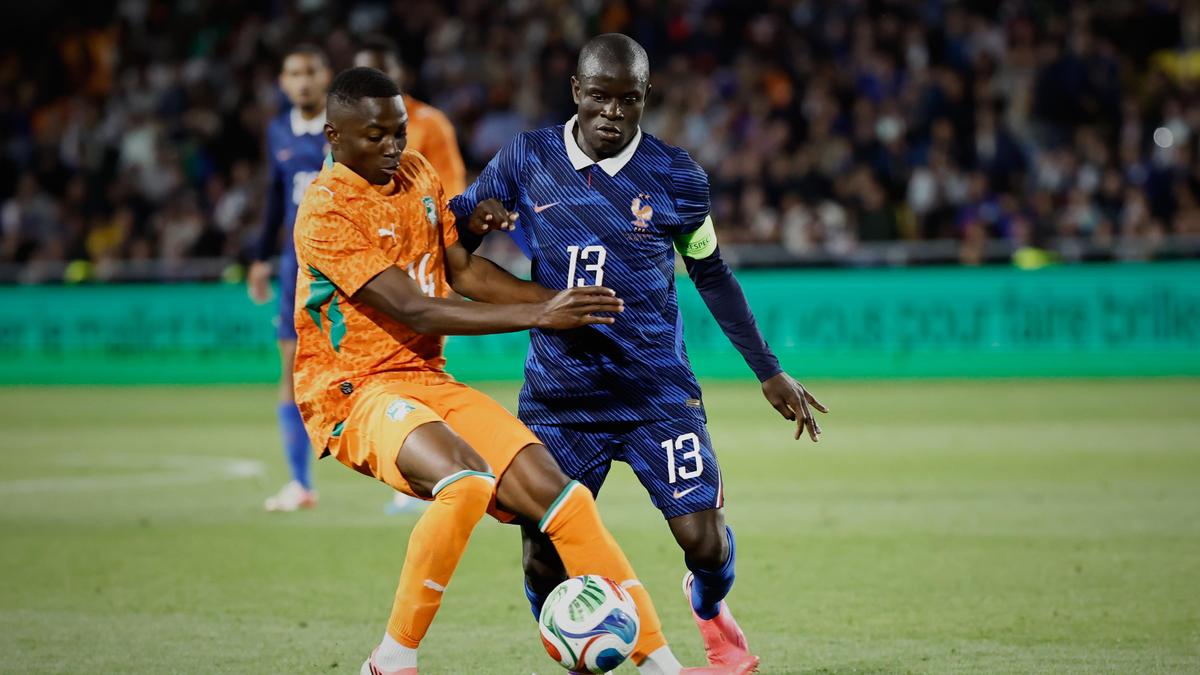
– The French national football team experienced a loss to Ivory Coast.
– French officials and team management have publicly downplayed the significance of this particular defeat.
– The outcome is being framed internally as a valuable and opportune “World Cup reminder” to maintain focus and readiness.
## Main Developments
In the highly competitive world of international football, even the most formidable teams face occasional setbacks. A recent match saw the French national team suffer a defeat at the hands of Ivory Coast. However, in the aftermath of the result, French football authorities have adopted a notably composed and strategic stance, choosing to interpret the loss not as a cause for alarm, but as a constructive lesson. This approach highlights a common strategy among elite sports organizations to manage public perception and internal morale following an unexpected outcome.
The immediate reaction from the French camp suggests a deliberate effort to “brush off” the defeat. This phrase implies a conscious decision to avoid dwelling on the negative aspects of the game, signaling to players, fans, and competitors alike that the team’s overarching objectives remain firmly in sight. Such a response can be crucial for maintaining psychological equilibrium within a high-pressure environment. Rather than allowing a single result to derail confidence or foster internal criticism, the emphasis shifts towards resilience and a forward-looking perspective. This type of messaging is often a hallmark of experienced leadership, aimed at preserving team cohesion and focus on future challenges.
Crucially, the French contingent has articulated that this loss serves as a “timely World Cup reminder.” The use of the word “timely” is particularly significant, suggesting that any lessons gleaned from the match have arrived at an opportune moment—perhaps during a preparatory phase or an early stage of competition—allowing ample time for adjustments and improvements. A “reminder” in this context implies that the defeat has underscored existing areas for development or re-emphasized fundamental principles that might have been momentarily overlooked. This could pertain to various facets of play, including tactical discipline, individual performance consistency, mental fortitude under pressure, or the collective execution of game plans.
For a team with the pedigree and expectations associated with France, the World Cup represents the ultimate prize in international football. Every match, every training session, and every tactical decision is intrinsically linked to the pursuit of this global championship. A loss, even against a capable opponent like Ivory Coast, naturally invites scrutiny. However, by reframing the outcome as a “reminder,” the French leadership transforms a potentially negative event into a constructive tool. It suggests that the team is not complacent and recognizes the demanding nature of World Cup competition, where no opponent can be underestimated and peak performance is a constant requirement.
This strategic interpretation of a defeat is a common psychological maneuver in elite sports. Coaching staffs often emphasize learning from losses, using them as diagnostic opportunities to fine-tune strategies and address weaknesses without allowing the emotional impact of a defeat to overwhelm the squad. The objective is to convert disappointment into motivation for rigorous self-assessment and improvement. For players, this perspective can reinforce the idea that every experience, positive or negative, contributes to their development and strengthens their collective resolve.
The implications of such a public stance extend beyond internal team dynamics. It shapes the narrative surrounding the team, signaling confidence and mental toughness to external observers, including media, rival teams, and supporters. By controlling this narrative, France aims to project an image of a team that remains unperturbed by isolated setbacks, fully committed to its long-term goals, and mature enough to extract value from adversity. This can be particularly important in the build-up to a major tournament, where perceptions of strength and vulnerability can influence opponents’ mindsets.
The reference to a “World Cup reminder” also subtly highlights the intense pressure and high stakes inherent in preparing for and competing in football’s premier global tournament. Success at the World Cup demands sustained excellence, adaptability, and unwavering concentration. A defeat, while always undesired, can serve as a valuable mechanism to sharpen the team’s focus, rekindle a sense of urgency, and reinforce the need for meticulous preparation. It can act as a check against overconfidence, ensuring that every player remains acutely aware of the standards required to compete at the highest level.
Ultimately, France’s reaction to the loss against Ivory Coast reflects a sophisticated approach to managing performance in elite sports. It’s an exercise in leadership, psychology, and strategic communication, designed to ensure that a momentary stumble is leveraged as a catalyst for future success rather than a source of prolonged introspection or doubt. The focus remains squarely on the horizon, with the World Cup as the unwavering target, and every experience, including a defeat, viewed as a stepping stone on that path. The ability of a team to absorb and learn from such moments often defines its character and resilience in major tournaments.
## Why This Matters
This development offers insight into how leading national football teams manage setbacks and maintain focus on their ultimate objectives. For France, a prominent force in international football, interpreting a defeat as a “timely World Cup reminder” demonstrates a strategic approach to team psychology and long-term planning. It signals to fans and rivals that the team prioritizes learning and adaptation over immediate results in certain contexts, aiming to build resilience and refine strategies for the high-stakes environment of a global championship. This perspective highlights the mental fortitude required at the elite level of sports and the sophisticated methods employed to harness every experience for future success.
## Frequently Asked Questions
### What event is the article referring to?
The article refers to a football match where the French national team experienced a loss against Ivory Coast.
### How has France reacted to the loss?
France has reacted by “brushing off” the defeat, which implies they are not overly concerned by the result itself, and are instead viewing it constructively.
### Why is the loss being called a “timely World Cup reminder”?
The French contingent has framed the defeat as a “timely World Cup reminder” to emphasize that it serves as a valuable lesson or wake-up call, providing an opportunity for the team to address areas for improvement and sharpen its focus in preparation for, or during, the World Cup.