## Key Takeaways
– YouTube content creators are increasingly making the shift to directing feature films for the big screen.
– Curry Barker, a former sketch comedian, is set to debut his ambitious horror film *Obsession* in 2026, generating significant online discussion.
– This trend highlights a new pathway for digital content creators to enter traditional cinema, exemplified also by creators like Kane Parsons.
## Main Developments
The evolving landscape of entertainment is witnessing a notable trend: digital content creators, particularly those who have cultivated significant followings on platforms such as YouTube, are now making the momentous leap to directing feature films for the big screen. This transition represents a considerable career progression for individuals accustomed to online video production, as they navigate the distinct challenges and opportunities presented by traditional cinema.
This shift signifies more than just individual career advancements; it reflects a broader change in how directorial talent is discovered and nurtured within the industry. Moving from the relatively immediate feedback loop and independent production of YouTube to the more structured and larger-scale environment of professional filmmaking demands a unique blend of creative vision and adaptability.
Among those successfully navigating this exciting new pathway is Curry Barker. Previously recognized for his work as a sketch comedian, Barker is now poised to make a significant impact in the cinematic world, particularly within the horror genre, as an emerging director. His background in digital comedy illustrates the diverse range of skills and creative sensibilities that can be cultivated and refined on online platforms.
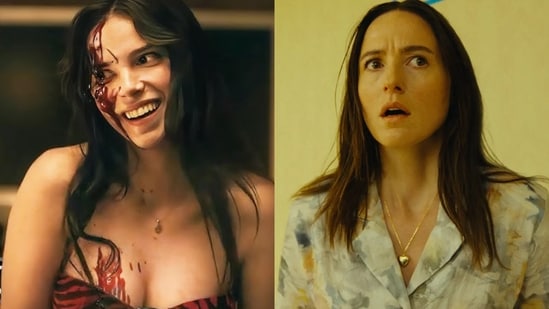
Barker’s much-anticipated directorial debut is an ambitious horror film titled *Obsession*. Scheduled for release in 2026, the project is already generating considerable buzz. The description of it as an “ambitious horror debut” suggests a film that aims to leave a lasting impression, potentially pushing boundaries within the genre or showcasing a distinctive directorial style.
Even in its pre-release phase, *Obsession* has captured the attention of online audiences. Reports indicate that the film has “taken major strides in Internet conversations,” suggesting a significant level of engagement and discussion across various digital forums. This early online traction underscores the power of a creator’s existing digital footprint in generating widespread interest for their cinematic endeavors.
The ability of a former sketch comedian like Barker to transition into directing a full-length horror feature highlights the versatile nature of storytelling talent emerging from YouTube. It demonstrates that the skills acquired in creating compelling, audience-engaging short-form content can be effectively translated and scaled to the demands of a feature film, even across different genres.
Curry Barker’s journey serves as a compelling example of how the entrepreneurial spirit and direct audience connection fostered on YouTube can act as a powerful springboard for larger artistic ambitions. The platform, in this sense, functions not only as a distribution channel but also as a proving ground for creative voices and a space to hone directorial acumen.
Another prominent creator identified as making this pivotal transition is Kane Parsons. Like Curry Barker, Parsons is recognized as one of the YouTube figures successfully making the “leap” from online content creation to the world of cinematic filmmaking. His inclusion in this emerging group further emphasizes the growing significance of digital platforms as incubators for future directorial talent.
While the source material does not provide specific details regarding Kane Parsons’ particular directorial projects, such as film titles, genres, or anticipated release dates, his mention is crucial. It reinforces the idea that this is not an isolated phenomenon but rather a developing trend involving multiple creators bridging the gap between digital and traditional media.
This movement by YouTube creators into traditional cinema signals a fascinating blurring of lines between previously distinct entertainment industries. It suggests a reciprocal influence where the agility and audience-centric approaches of digital media begin to inform and enrich conventional filmmaking practices, potentially leading to innovative narrative forms and engagement strategies.
The implications extend beyond individual careers, touching upon the evolving definition of what constitutes a “filmmaker” in the modern era. The path to directing significant cinematic works is no longer solely the domain of established film schools or traditional industry apprenticeships; it can now originate directly from grassroots digital content creation and independent audience building.
Creators like Barker and Parsons bring with them a unique advantage: a pre-existing, often highly engaged, audience base. Their ability to cultivate these communities and refine their storytelling techniques independently on YouTube provides a powerful launchpad for their feature films, effectively offering a built-in fanbase and a distinctive marketing edge.
This evolving landscape prompts a reevaluation within traditional Hollywood structures regarding where and how directorial talent is scouted and developed. The direct relationship these creators have forged with their online communities often translates into a dedicated viewership for their larger projects, pioneering a new model of film promotion and audience resonance.
As the entertainment industry continues its rapid evolution, the successes of individuals like Curry Barker and Kane Parsons are likely to serve as inspiration for countless other digital content creators to aspire to the big screen. Their pioneering efforts are paving the way for a new generation of filmmakers whose foundational experience is rooted in the dynamic and interactive realm of online video platforms. The anticipated release of *Obsession* in 2026 stands as a tangible marker of this ongoing transformation, illustrating how swiftly digital influence can translate into a significant mainstream cinematic presence.
## Why This Matters
This shift of YouTube creators to mainstream filmmaking holds significant implications for various stakeholders. For aspiring filmmakers, it opens new, accessible doors that bypass traditional, often exclusive, industry pathways, validating YouTube as a legitimate training ground for directorial talent. It demonstrates that passion, creative vision, and the ability to connect with an audience can lead to major opportunities, regardless of conventional credentials.
For audiences, this trend promises a fresh influx of diverse perspectives and storytelling approaches into the cinematic landscape. Directors emerging from digital platforms often bring unique narrative styles and an innate understanding of contemporary audience preferences, potentially enriching the variety and relevance of films available for theatrical release.
For the film industry itself, this development signifies an expansion of the talent pool and a new model for audience engagement. By tapping into creators with established digital communities, studios can leverage existing fanbases to generate organic interest and buzz for new film projects, adapting to the evolving media consumption habits of modern viewers.
## Frequently Asked Questions
What new trend is emerging in the film industry?
A significant trend involves popular YouTube content creators transitioning from digital video production to directing feature films for mainstream cinema.
Who is Curry Barker and what is his notable project?
Curry Barker, known as a sketch comedian, is making his directorial debut with an ambitious horror film titled *Obsession*, slated for release in 2026. The film has already generated considerable discussion online.
Why is the transition of YouTube creators to the big screen important?
This shift highlights new career pathways for creative talent, diversifies the pool of filmmakers, and demonstrates how digital platforms can serve as launchpads for traditional cinematic careers, bringing established online audiences to new film projects.