## Key Takeaways
– Gautam Gambhir, India’s head coach, has addressed the decision to remove Rishabh Pant from the Test vice-captaincy.
– KL Rahul has been appointed as the new Test vice-captain, replacing Pant as Shubman Gill’s deputy.
– Gambhir emphasized the importance for experienced batters to “respect match situations” following Pant’s recent struggles.
## Main Developments
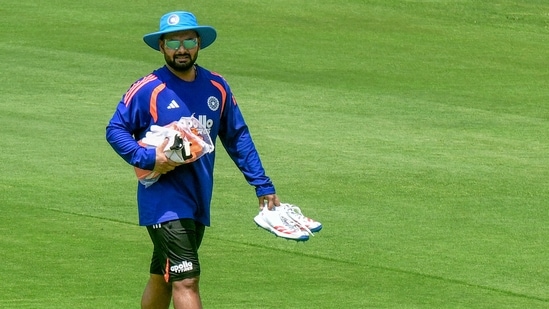
The landscape of Indian cricket leadership has seen a notable adjustment, with Team India’s head coach, Gautam Gambhir, recently commenting on the decision to replace Rishabh Pant as the Test vice-captain. This development, which saw wicketkeeper-batter Pant’s role as Shubman Gill’s deputy go to KL Rahul, was officially revealed when the squad for the forthcoming one-off Test against Afghanistan was announced. The change generated considerable discussion among cricket fans and analysts, marking a significant moment in the team’s evolving dynamics under the new coaching regimen.
Gautam Gambhir’s remarks offered a window into the team management’s perspective on this high-profile alteration. Speaking publicly on the matter, Gambhir adopted a measured tone, characterized by observers as keeping “his cards close to his chest.” This approach typically signifies a coach’s strategic decision to avoid direct, blunt criticism in the public forum, opting instead for a more nuanced message that is understood internally while maintaining a professional exterior. Despite this cautious stance, Gambhir delivered what was described as a “sweeping statement,” underlining a fundamental principle he expects from his players: the necessity for “experienced batters to respect match situations.”
This guidance from the head coach, while broad in its application, resonated particularly with the context surrounding Rishabh Pant’s recent performances. Gambhir’s further comment, “Don’t want him to change,” suggested a complex message. It implies that while Pant’s natural, aggressive style is valued and considered a key asset, there is an expectation for him to integrate greater tactical discipline and situational awareness into his game. This dual emphasis speaks to a desire for refinement rather than a complete overhaul, urging the player to temper his inherent instincts with a more strategic understanding of the game’s flow and demands, especially in the long format of Test cricket.
The backdrop to Rishabh Pant’s demotion includes his performance in India’s most recent Test series against South Africa. That tour saw India suffer a comprehensive 0-2 defeat at the hands of the Proteas, a result that naturally brought individual player performances under scrutiny. During this challenging series, Pant’s contributions and decision-making on the field came under considerable fire. A specific incident highlighted was from the second Test in Guwahati, where Pant was noted to have “suffered a rush of blood.” This cricketing idiom refers to a moment of impulsive decision-making, often leading to an ill-advised shot.
In that particular instance, Pant was reported to have “thrown his wicket away,” a term used when a batter gets out due to a poor shot choice that lacked judgment, rather than exceptional bowling. Such an exit can be particularly damaging to a team’s momentum and morale, especially in Test cricket where patience and strategic accumulation of runs are paramount. The displeasure stemming from this dismissal was reportedly felt by “everyone involved,” underscoring the collective frustration and concern regarding the impact of individual errors on team outcomes. This sequence of events during a crucial series undoubtedly played a significant role in the coaching staff’s assessment of Pant’s leadership readiness and his tactical approach.
The decision to appoint KL Rahul as the new Test vice-captain signifies a shift in the team’s immediate leadership structure. Rahul, an experienced batter himself, steps into a role that carries significant responsibility beyond just providing support to Captain Shubman Gill. The vice-captain is expected to be a strategic partner, offering insights, communicating effectively with the team, and being prepared to assume full captaincy duties should the need arise. This appointment suggests the team management’s confidence in Rahul’s leadership attributes and his ability to contribute both tactically and through his own performances.
For a player like Rishabh Pant, renowned globally for his dynamic and aggressive batting, the removal from the vice-captaincy is a considerable career development. It conveys a clear message from the team management that while his match-winning capabilities and fearless approach are appreciated, there is a distinct expectation for enhanced tactical maturity and a more consistent application of strategic thinking, particularly when the team finds itself in demanding match situations. The emphasis placed on “respecting match situations” is not merely about shot selection; it encompasses a broader understanding of game state, pitch conditions, bowler fatigue, and the psychological ebb and flow of a Test match. It requires a profound ability to assess risk versus reward, to consolidate when necessary, and to seize opportunities with calculated aggression rather than impulsiveness. This development poses a challenge for Pant to evolve his game further, demonstrating that he can balance his inherent attacking instincts with the prudence and patience that Test cricket frequently demands.
Gambhir’s statements and the resultant leadership reshuffle also illuminate the broader philosophy of the Indian team management. It sends a strong signal regarding accountability and strategic discipline across the squad, particularly to its more experienced members. By making such a high-profile change, the management reinforces the principle that leadership roles are not static; they are contingent upon consistent performance, astute tactical judgment, and an unwavering commitment to the team’s overarching objectives. This move underscores the idea that every player, regardless of their established reputation, is subject to continuous review of their on-field conduct and strategic contributions. It aims to foster a culture where individual brilliance is seamlessly integrated within a collective strategic framework, ensuring that all players prioritize the team’s success through disciplined and situation-aware cricket.
Looking ahead, the immediate focus remains on the upcoming Test against Afghanistan. Beyond this fixture, the long-term implications of this leadership adjustment will continue to unfold. For Rishabh Pant, this period represents a crucial juncture—an opportunity to reflect, refine his approach, and demonstrate his adaptability and enduring value to the Test squad through compelling and strategically sound performances. His response to this challenge will undoubtedly be a key narrative in Indian cricket, shaping perceptions of his maturity and his future trajectory in the sport’s longest and most demanding format. The coaching staff, under Gautam Gambhir, appears committed to instilling a robust culture of tactical responsibility and situational awareness, and these recent changes serve as a tangible manifestation of that guiding philosophy, emphasizing that individual flair must always serve the collective strategic goals of the team.
## Why This Matters
This development is significant for several reasons, reflecting crucial aspects of team dynamics and player management in high-stakes cricket. Firstly, it signals a clear emphasis from the Indian team management and coach Gautam Gambhir on strategic discipline and accountability, particularly for senior players. The decision to remove Rishabh Pant from the vice-captaincy, linked to specific performance concerns and decision-making during the South Africa series, underscores that leadership roles are not just about talent but also about consistent tactical acumen and respecting match situations. This sets a precedent for all players within the squad, highlighting that sustained performance and strategic responsibility are paramount.
Secondly, for Rishabh Pant himself, this change represents a pivotal moment in his career. A player celebrated for his aggressive, match-winning instincts, he is now faced with the challenge of balancing his natural game with greater tactical maturity. How Pant responds to this demotion and the implied feedback from his coach will be closely watched, potentially shaping his future in Test cricket and influencing how his immense talent is utilized going forward. It highlights the eternal struggle for naturally attacking players to find consistency and strategic depth in the longest format.
Lastly, the appointment of KL Rahul as vice-captain indicates a fresh direction in leadership planning. It demonstrates the management’s confidence in Rahul’s capabilities to support Captain Shubman Gill and potentially assume a more significant leadership role in the future. This move, therefore, is not merely a change in personnel but a re-evaluation of the team’s leadership structure and a clear statement about the qualities the coaching staff values in its on-field leaders.
## Frequently Asked Questions
What led to Rishabh Pant’s removal as Test vice-captain?
Rishabh Pant’s removal from the Test vice-captaincy followed a review of his performance, notably during India’s 0-2 Test series loss to South Africa. Coach Gautam Gambhir’s comments emphasized the need for “experienced batters to respect match situations,” directly referencing an incident in the second Test in Guwahati where Pant “suffered a rush of blood” and “thrown his wicket away,” causing displeasure among “everyone involved.”
Who has replaced Rishabh Pant as the Test vice-captain?
KL Rahul has been appointed as the new Test vice-captain, stepping into the role previously held by Rishabh Pant. Rahul will now serve as the deputy to Test captain Shubman Gill.
What message did Gautam Gambhir convey regarding Rishabh Pant’s batting style?
Gautam Gambhir, while stressing the importance of “respecting match situations,” also stated, “Don’t want him to change.” This indicates a desire for Pant to retain his natural aggressive flair but to integrate it with improved strategic discipline and better decision-making to suit the demands of Test cricket.