## Key Takeaways
– Bhutan’s Ritshi Choden became the first woman cricketer to be dismissed “timed out” in an international match.
– The unprecedented incident occurred during a T20I against Nepal at the ACC Premier Cup in Malaysia on June 4, 2026.
– Choden failed to take her guard within the mandatory 90-second period after a previous wicket fell, leading to an appeal from Nepal and her subsequent dismissal.
## Main Developments
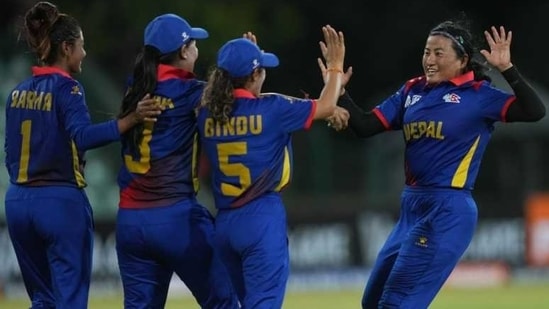
A rare and historic moment unfolded in women’s cricket on June 4, 2026, when Bhutan’s Ritshi Choden was dismissed “timed out” during a Twenty20 International (T20I) match against Nepal. This incident, taking place at the ACC Premier Cup in Mantin, Malaysia, marks an unprecedented event, making Choden the first woman cricketer to receive this particular form of dismissal at the international level.
The “timed out” rule is one of the less frequently invoked Laws in cricket, yet it remains a critical aspect of maintaining the pace and flow of the game. Under Law 31 of the Laws of Cricket, after a wicket falls, the incoming batter is required to be ready to face the next ball, or for their partner to do so, within a specific timeframe. For T20I matches, this period is a stringent 90 seconds. Should the batter fail to comply with this time limit, and the fielding side makes an appeal, the umpires are bound to rule the batter out.
The situation arose during Bhutan’s chase of 114 runs. The team had already faced an early setback when their opening batter, Ngawang Choden, was dismissed on the very first ball of their innings. As Ritshi Choden, slated to bat at number three, prepared to enter the field and take her position at the crease, she unfortunately exceeded the stipulated 90-second window. The opposing Nepali team, demonstrating sharp awareness of the Laws of Cricket, promptly lodged an appeal against her.
Following the appeal, the match umpires, Sun Meng Yao and Ankita Guha, were left with no alternative but to uphold the Law. Given that the time limit had clearly been breached, and an official appeal had been made by the fielding captain, the umpires had a straightforward duty to apply the rule as written. Consequently, Ritshi Choden was declared out, adding a layer of unwanted distinction to her career.
The dismissal occurred at a crucial juncture for Bhutan, already under pressure after losing an early wicket in their chase. Such an unusual exit undoubtedly compounded the challenges faced by the Bhutanese side. Despite having 20 overs to chase down Nepal’s total, Bhutan struggled significantly following this incident and could only manage to score 63 runs for the loss of eight wickets in their allotted overs. Nepal ultimately secured a commanding victory, highlighting the difficulties Bhutan encountered throughout their innings.
This incident casts a spotlight on the meticulous details within the Laws of Cricket that govern all aspects of the game, including the seamless transition between dismissals and the arrival of a new batter. While many dismissals result from direct interactions between bat and ball, the “timed out” rule pertains to the procedural elements of the game, underscoring the importance of vigilance and promptness from all players.
The rarity of a “timed out” dismissal, particularly in women’s cricket, makes Ritshi Choden’s case a significant talking point. It serves as a potent reminder to cricketers, coaches, and team management worldwide about the necessity of being fully conversant with all the rules, even those less commonly enforced. Professional cricket demands not only skill and strategy but also strict adherence to the prescribed procedures and time limits that ensure the integrity and efficient conduct of matches. This event will likely prompt greater attention to the clock and the immediate readiness of incoming batters in future games.
## Why This Matters
Ritshi Choden’s dismissal carries substantial importance for several reasons. Firstly, it sets a unique precedent in the history of women’s international cricket, marking the first instance of a player being dismissed under the “timed out” rule. This event highlights the universal application of cricket’s Laws across both men’s and women’s games, emphasizing that all rules, regardless of their frequency of use, are active and enforceable.
Secondly, the incident serves as a critical educational moment for players, coaches, and team support staff across all levels of cricket. It powerfully underscores the need for comprehensive understanding and strict adherence to the sport’s intricate rulebook. Even less common dismissals like “timed out” can significantly impact a match’s outcome and a team’s performance, necessitating meticulous preparation and timely action from every player.
Finally, this event reinforces the principle of fair play and the professional conduct expected in cricket. It demonstrates that vigilance from the fielding side in appealing for such dismissals, combined with the umpires’ impartial duty to uphold the Laws, ensures that the game is played precisely according to its established regulations. It ultimately contributes to the overall discipline and efficiency of cricketing contests.
## Frequently Asked Questions
What does ‘timed out’ mean in cricket?
‘Timed out’ is a method of dismissal in cricket where a new batter fails to be ready to take their guard or for their partner to do so, within a specified time limit after a previous wicket has fallen. In T20I matches, this period is typically 90 seconds. The dismissal is only given if the fielding side makes an appeal to the umpires.
Why is Ritshi Choden’s dismissal significant?
Ritshi Choden’s dismissal is significant because she became the first woman cricketer in the history of international cricket to be given out via the ‘timed out’ rule. This makes her case a unique and historic event in the sport.
Where and when did this incident occur?
The incident occurred on June 4, 2026, during a T20I match between Bhutan and Nepal. The game was part of the ACC Premier Cup and took place in Mantin, Malaysia.