## Key Takeaways
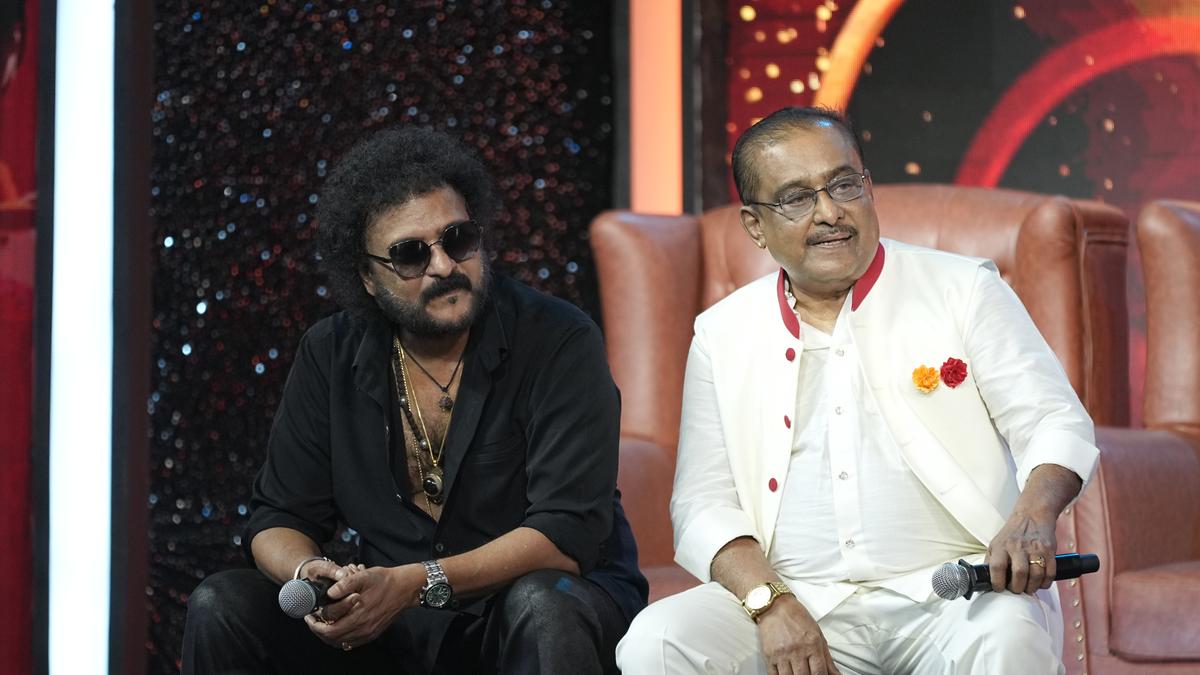
– Esteemed personalities Hamsalekha and V Ravichandran have formally ended a long-standing period of estrangement.
– The reconciliation signifies the resolution of a notable and protracted disagreement between the two.
– A profound sentiment, “Time passes, memories don’t,” underscores the nature of this significant rapprochement.
## Main Developments
A significant development has emerged regarding the relationship between Hamsalekha and V Ravichandran, as reports confirm the resolution of a long-standing rift that had persisted between the two figures. This marks the conclusion of what has been characterized as an extended period of discord, signaling a notable shift in their interactions. The news has drawn attention, bringing an end to a recognized disagreement within their professional or personal spheres.
The specifics surrounding the genesis and duration of the initial rift remain unelaborated in the immediate reporting. However, the confirmed end to this disagreement represents a key point in their shared narrative. The reconciliation suggests a mutual decision to move beyond past issues, fostering a renewed possibility for constructive engagement or simply a more harmonious relationship going forward.
Central to the announcement of this reconciliation is a reflective statement that encapsulates the essence of their renewed understanding: “Time passes, memories don’t.” This powerful phrase, shared in connection with the event, points to an acknowledgment that while the circumstances and emotions surrounding past grievances may evolve over time, the recollections of those experiences often endure. It conveys a mature perspective on resolution, implying that true reconciliation involves progressing despite the indelible nature of past events, rather than seeking to erase them entirely. This sentiment provides a nuanced view of the process, highlighting the depth and sincerity of the closure attained.
## Why This Matters
The resolution of a long-standing rift between individuals, especially those whose public or professional lives are observed, carries considerable weight. Such developments often transcend personal boundaries, influencing broader communities or industries with which the individuals are associated. The end of a sustained period of disagreement can alleviate tensions, pave the way for potential future collaborations, and demonstrate the capacity for growth and forgiveness.
The accompanying sentiment, “Time passes, memories don’t,” offers a profound insight into the human element of reconciliation. It underscores that healing and moving forward do not necessarily entail forgetting past hurts, but rather choosing to transcend them. This perspective is important for understanding the complexities of human relationships, suggesting that genuine resolution stems from a conscious effort to rebuild trust and redefine a relationship, even with the full awareness of its history. This approach to reconciliation provides a meaningful example of how individuals can navigate and resolve deeply entrenched conflicts, emphasizing resilience and the capacity for change.
## Frequently Asked Questions
##Who are Hamsalekha and V Ravichandran?
Hamsalekha and V Ravichandran are the two individuals identified in the news as having reconciled after a significant and long-standing disagreement. The source report does not provide additional biographical or professional details about them.
##What was the nature of the long-standing rift between them?
The source article confirms that Hamsalekha and V Ravichandran had a “long-standing rift” which has now concluded. However, it does not specify the particular issues, causes, or circumstances that led to the disagreement, nor its exact duration.
##When did this reconciliation occur?
The news states that the rift between Hamsalekha and V Ravichandran has ended, signifying their reconciliation. The report confirms the event has taken place but does not provide a specific date, timeline, or details about when or how the resolution was achieved.