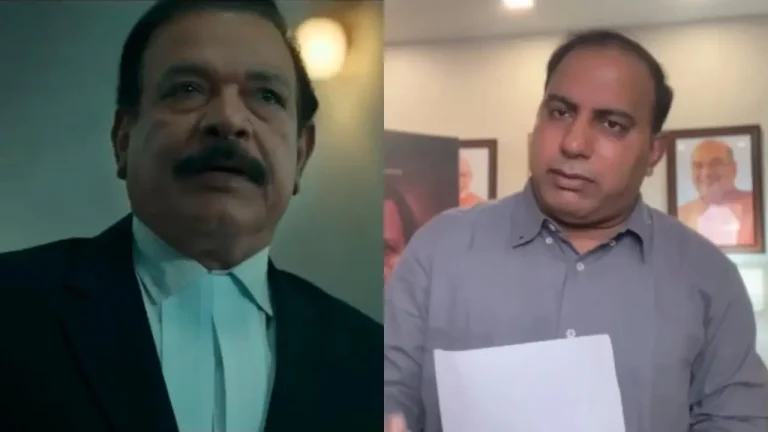
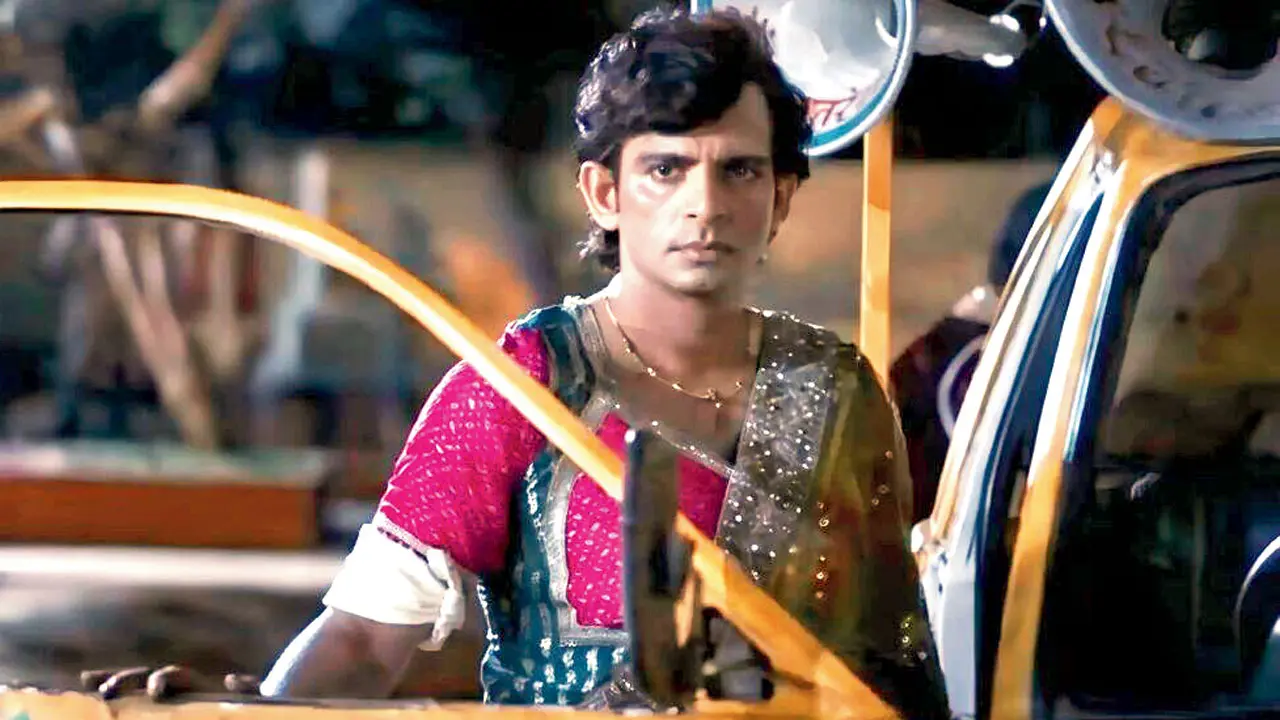
Filmmaker Jai Basantu Singh is stirring conversations with his latest Zee5 series, ‘Satrangi: Badle Ka Khel’. The show dives deep into the vibrant, yet often overlooked, world of Launda naach, a traditional folk dance where men embody female performers. Singh isn’t just telling a story; he’s highlighting a glaring truth about the entertainment industry: some of our richest cultural narratives struggle to find space in mainstream cinema simply because they’re deemed “uncomfortable.”
### The World of Launda Naach
For many, Launda naach remains an unfamiliar name, yet it’s a vibrant, centuries-old performance tradition, particularly prominent in regions like Bihar and Uttar Pradesh during festive seasons. This folk dance sees male performers donning elaborate costumes, makeup, and expressions to portray women. It’s an art form rich in history, community, and often, a nuanced exploration of gender and storytelling. Despite its cultural depth, it has largely been absent from mainstream cinematic narratives.
### A Director’s Persistence
Singh’s journey to bring Launda naach to a wider audience has been one of patient persistence. ‘Satrangi: Badle Ka Khel,’ starring talented actors like Anshumaan Pushkar and Kumud Mishra, marks a significant milestone. It’s the culmination of a vision Singh has harboured for years. He explains, “Uncomfortable subjects don’t find space in mainstream films.” This statement isn’t just an observation; it’s a reflection of his own struggles.
### The Film That Never Was
Back in 2019, Singh had meticulously crafted a screenplay for a film centered around Launda naach. He poured his creative energy into it, envisioning a cinematic exploration of this unique art form. However, despite his best efforts, the project never saw the light of day. It lingered in development hell, a common fate for stories that don’t fit the perceived commercial mould of mainstream Bollywood. This experience only solidified his belief that certain narratives face an uphill battle.
### Why the Mainstream Hesitates
So, why does a subject become “uncomfortable” for mainstream cinema? The reasons are often layered, starting with commercial viability. Studio executives and producers are inherently risk-averse, prioritising themes with proven box-office appeal. Topics that challenge conventional gender roles, explore lesser-known cultural practices, or delve into socio-economic realities deemed ‘gritty’ can easily be labelled too niche or financially risky. There’s also an underlying societal discomfort; while Launda naach is a revered folk art, its practice of men dressing as women can sometimes be misconstrued or stigmatized. Mainstream cinema, often aiming for broad family appeal, frequently avoids anything perceived as controversial, fearing alienation of a significant audience segment.
### The Rise of OTT Platforms: A New Horizon
This is where the evolving landscape of digital streaming platforms like Zee5 becomes a game-changer. Unlike traditional cinema, which often relies on a blockbuster mentality, OTT platforms thrive on diverse content that caters to specific niches. They offer creators the freedom to explore narratives that might be considered too bold, too nuanced, or too culturally specific for the big screen.
‘Satrangi’ is a prime example of this paradigm shift. It demonstrates how streaming services are not just an alternative but are becoming the primary avenue for stories that challenge norms, celebrate overlooked cultures, and provoke thought. For filmmakers like Jai Basantu Singh, these platforms provide the much-needed space to finally tell the stories they are passionate about.
### More Than Just Entertainment
Bringing stories like Launda naach into the public eye, even via digital channels, holds immense importance. It’s about cultural preservation, giving a voice to artists often overlooked, and broadening our collective understanding of India’s incredible diversity. When series shine a light on such traditions, they do more than entertain; they educate, inspire, and foster empathy. They challenge preconceived notions and celebrate the rich tapestry of human expression. Singh’s persistence, finally bringing ‘Satrangi’ to life, sends a vital message: these stories aren’t just for a select few. They resonate with universal themes of identity, artistry, and the human desire for recognition, acting as a mirror reflecting a heritage that deserves to be seen and understood.
### Why This Matters
In an entertainment landscape increasingly saturated with formulaic content, stories like ‘Satrangi’ are essential. They push boundaries, introduce audiences to rich cultural traditions they might otherwise never encounter, and prove that “uncomfortable” doesn’t mean irrelevant. Giving a platform to narratives like Launda naach ensures that diverse voices and overlooked art forms find their rightful place in our collective consciousness, enriching our cultural dialogue and fostering a more inclusive society. It’s a powerful reminder that true storytelling often lies just beyond the comfortable confines of the expected.
### Conclusion
Jai Basantu Singh’s ‘Satrangi: Badle Ka Khel’ isn’t just another web series; it’s a statement. It’s a testament to artistic perseverance and a powerful argument for broader representation in our media. By championing Launda naach, Singh is not only giving a vibrant folk art its due but also opening up a crucial conversation about what stories we choose to tell, and why some are relegated to the shadows. It’s time for all stories, comfortable or not, to find their stage.