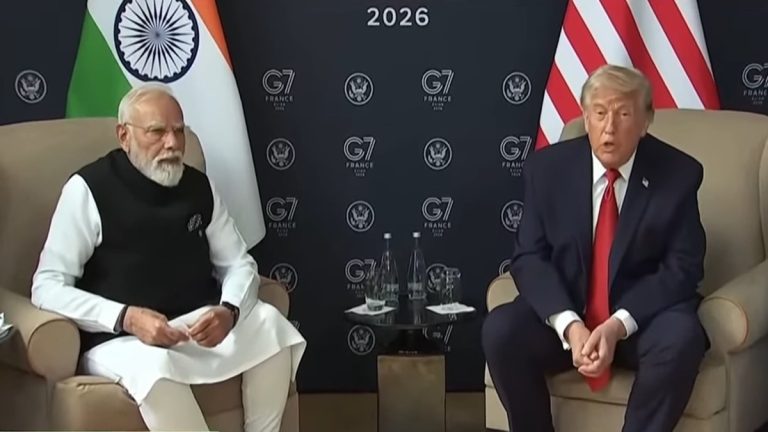
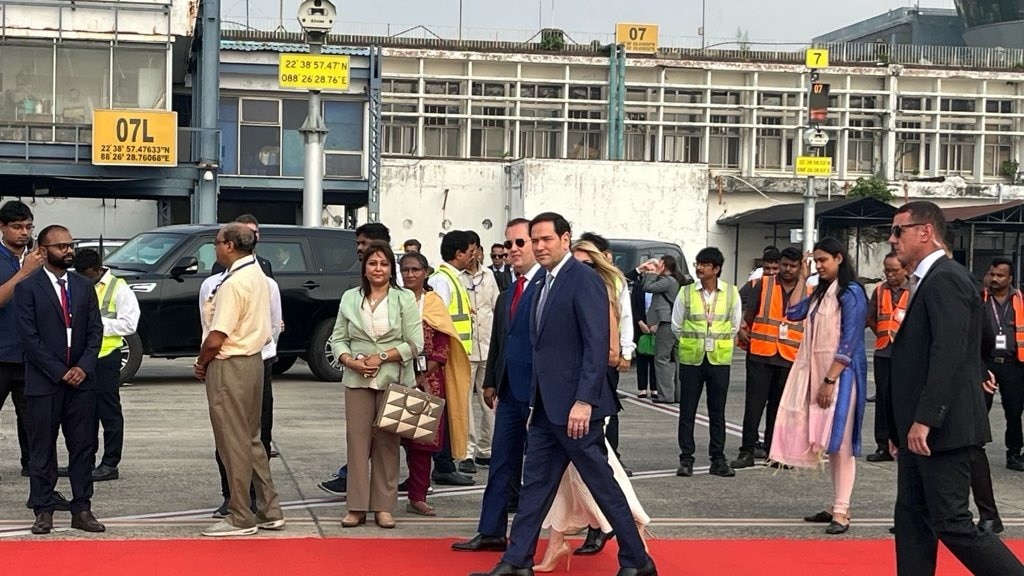
The diplomatic spotlight is squarely on New Delhi this week as US Secretary of State Marco Rubio kicks off a critical four-day visit to India. This isn’t just another routine stop on the global circuit; it’s being framed as a high-stakes mission by Washington to recalibrate and reinvigorate a relationship facing its most intricate challenges in recent memory.
A Partnership Under Strain
For years, the US-India partnership has been a cornerstone of Indo-Pacific strategy, touted as essential for regional stability and a counterbalance to growing geopolitical shifts. Yet, beneath the surface of shared democratic values and strategic alignment, significant strains have developed. Both Washington and New Delhi acknowledge that bilateral ties are navigating a complex phase, requiring careful diplomacy to steer them back on a smoother course.
The most glaring friction point currently hanging over the relationship is trade. The US has imposed steep tariffs on a range of Indian imports, a move that has understandably sparked unease and frustration in New Delhi. These measures aren’t just about traditional trade imbalances; they’ve been complicated by additional levies directly linked to India’s continued purchase of Russian crude oil. This brings a geopolitical dimension to the economic squabble, reflecting broader international pressures stemming from global conflicts and energy politics.
The Energy Security Play
One of the most intriguing aspects of Secretary Rubio’s visit is his proactive stance on energy. Ahead of his arrival, Rubio stated the US is “ready to expand energy supplies to meet India’s growing needs.” This isn’t just a friendly gesture; it’s a strategic offer designed to address one of India’s most pressing concerns while subtly nudging it away from its reliance on Russian energy.
India, a rapidly developing nation with a burgeoning economy, has an insatiable demand for energy. Its energy security strategy has historically involved diversifying sources, and Russian oil, often available at competitive prices, has played a significant role. The US offer presents a potential alternative, potentially easing the pressure on India while aligning its energy sources more closely with Western allies. Whether this offer will be enough to shift India’s long-standing energy procurement strategies, especially given the current global energy landscape, remains a key question.
The Quad and Indo-Pacific Vision
Beyond trade and energy, the visit will undoubtedly touch upon the Quadrilateral Security Dialogue (Quad) – an informal strategic forum comprising the US, India, Japan, and Australia. The Quad is central to Washington’s Indo-Pacific strategy, aiming to ensure a free, open, and inclusive region. India’s active participation is considered vital for the Quad’s effectiveness and its broader goals.
However, any strain in the bilateral US-India relationship naturally casts a shadow over broader multilateral initiatives like the Quad. Reviving momentum in the US-India partnership is thus crucial not just for the two nations themselves but for the collective vision of regional security and cooperation. Discussions during Rubio’s visit will likely aim to reinforce shared strategic objectives, iron out differences, and strengthen the framework for future collaboration within the Quad.
High-Stakes Diplomacy in Action
Secretary Rubio’s four-day trip is not merely a ceremonial visit. It’s a testament to the enduring importance of the US-India relationship and a direct effort to address the complexities that have emerged. For Washington, the goal is clear: to repair strains, revive momentum, and ensure this pivotal partnership remains robust in an increasingly unpredictable world. For New Delhi, it’s an opportunity to voice its concerns, seek concessions on trade, and explore avenues for stable, diversified energy supplies without compromising its strategic autonomy.
The success of this visit will be measured not just in immediate agreements but in the renewed spirit of cooperation and the concrete steps taken to bridge existing divides. Both sides understand that a strong, collaborative US-India relationship is indispensable for their respective national interests and for global stability. This week, the eyes of the world will be watching to see if this diplomatic reset can truly take hold.
Why This Matters
A strong, collaborative relationship between the United States and India is vital for global stability, economic growth, and democratic values. As two of the world’s largest democracies and significant economic powers, their partnership impacts everything from international trade flows and supply chains to geopolitical alignments and climate action. Resolving current tensions and strengthening ties ensures greater cooperation on critical global challenges and reinforces a strategic alliance crucial for the balance of power in the Indo-Pacific region and beyond.