The year 2020 cast a long, dark shadow over India with the horrific Hathras case, a tragedy that triggered national outrage and sparked vital conversations about justice, caste, and gender-based violence. Now, six years later, a new ZEE5 documentary titled “Hathras 16 Days” is pulling back the curtain once more, not just to revisit the grim details of the crime and its investigation, but to confront the enduring, soul-crushing trauma still faced by the victim’s family.
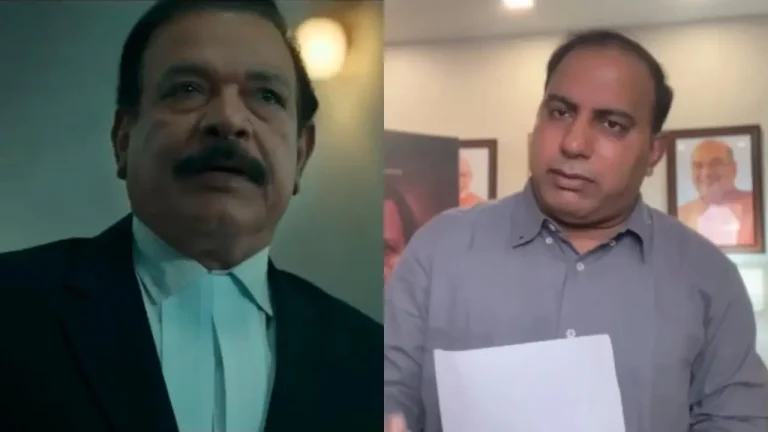
Released on May 23, 2026, “Hathras 16 Days” promises a poignant and unvarnished look at a wound that has yet to heal. Director Patrick Graham and seasoned journalist Tanushree Pandey, who extensively covered the case when it first broke, are at the helm of this crucial cinematic endeavor, offering perspectives both from behind the camera and from the front lines of news reporting.
The Lingering Shadow of Hathras
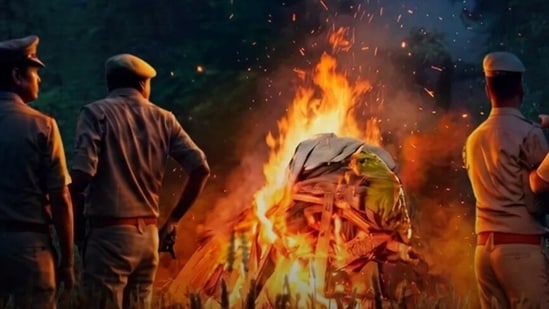
For those who remember, the Hathras case involved the brutal assault and subsequent death of a 19-year-old Dalit woman in a village in Uttar Pradesh. What followed was a national outcry fueled by allegations of administrative apathy, a rushed cremation against the family’s wishes, and a perceived cover-up that shook public trust. The sheer injustice of it all ignited protests and debates across the country, highlighting deep-seated societal issues.
But as headlines fade and public memory moves on, what becomes of those left behind? This is precisely the question “Hathras 16 Days” aims to answer. The documentary suggests that for the victim’s family, the passage of time has offered little solace, and perhaps even exacerbated their suffering.
Behind the Lens: Director Patrick Graham’s Vision
Patrick Graham, known for his incisive storytelling, brings a keen eye to this sensitive subject. Directing “Hathras 16 Days” was not just about recounting events; it was about humanizing the ongoing aftermath. In revisiting the scene of the crime and engaging with those directly impacted, Graham’s work aims to ensure that the Hathras case remains etched in our collective consciousness, not as a fleeting news item, but as a stark reminder of systemic failures and personal devastation.
“Our goal wasn’t just to reconstruct the timeline, but to understand the continuing human cost,” Graham reportedly shared, emphasizing the documentary’s focus on the family’s plight. The “16 Days” in the title likely refers to a critical period within the original incident or investigation, a timeframe that the documentary meticulously dissects to offer fresh insights or a deeper understanding of the events that unfolded. His direction likely seeks to create an immersive, yet respectful, narrative that compels viewers to confront uncomfortable truths.
Journalist’s Insight: Tanushree Pandey on Lingering Pain
One of the most compelling aspects of “Hathras 16 Days” is the involvement of journalist Tanushree Pandey. Having extensively covered the case in 2020, her perspective is invaluable. She witnessed the raw grief, the public’s fury, and the official responses firsthand. Her return to Hathras for the documentary must have been a profoundly emotional experience, underscoring how deeply certain stories embed themselves in a journalist’s memory.
Pandey’s candid admission that the “victim’s family [is] in worse condition” hits particularly hard. Six years on, one would hope for some semblance of healing, justice, or at least a return to normalcy. Her statement, however, paints a grim picture. This ‘worse condition’ could manifest in myriad ways: ongoing legal battles draining their resources and spirits, social ostracism from their community, the constant fear of retribution, or simply the unbearable weight of living with a profound loss that society has largely forgotten. The intrusive media glare of 2020, while bringing attention, might also have left its own scars, making it difficult for the family to grieve privately.
The Family’s Fight: A Worsening Plight
The core of “Hathras 16 Days” seems to be the relentless struggle of the victim’s family. While the original crime shocked the nation, the subsequent battle for justice was protracted and often frustrating. Reports from the time indicated their fight against powerful local interests, an indifferent administration, and a system that often seemed stacked against them. For Pandey to say their condition has worsened suggests that these pressures haven’t receded; they may have intensified, perhaps in more insidious ways.
The documentary likely delves into their daily lives, the economic hardships they face, the psychological toll of their ordeal, and their continued quest for dignity and justice, often in isolation. It’s a powerful reminder that for victims, a case doesn’t end when the cameras pack up; it continues to reshape their entire existence.
Why This Matters
“Hathras 16 Days” serves as a critical mirror reflecting not just the past, but our present. It challenges us to look beyond fleeting outrage and consider the long-term impact of such atrocities on real people. By bringing journalist Tanushree Pandey’s first-hand account and director Patrick Graham’s compassionate lens to the fore, the documentary compels us to remember, to question, and to demand sustained accountability. It’s a vital call to action, reminding us that true justice often requires sustained public vigilance and empathy, long after the initial shock has worn off.
The documentary’s release on ZEE5 ensures it reaches a wide audience, renewing conversations that are crucial for societal progress. It reminds us that while news cycles move swiftly, the pain of injustice lingers, and the fight for dignity is a marathon, not a sprint.