Local elections often fly under the radar, a quiet murmur in the grand symphony of British politics. But not this May. This year, the results have erupted like a political earthquake, sending shockwaves far beyond the humble parish councils and urban conurbations they oversee. The message? Britain’s political landscape is not just shifting; it’s undergoing a seismic transformation, and the ruling Labour Party, led by Prime Minister Keir Starmer, is firmly in the crosshairs.
### The Labour Blow: A Red Wall Crumbles Again?
For a party currently occupying Downing Street, the recent local election results are nothing short of devastating. Across England, Wales, and Scotland, Labour suffered significant losses. These weren’t just minor setbacks; they included reversals in long-held strongholds, areas that have been reliable Labour territory for generations. It’s a stark repudiation of the government’s performance and, for many, a worrying echo of past electoral struggles.
Imagine the traditional heartlands, the bedrock of Labour support, starting to crack under pressure. This isn’t just about who empties the bins or fixes the roads; it’s a profound signal from the electorate about their trust, their priorities, and their willingness to look elsewhere for solutions. For Keir Starmer, who assumed the premiership after a period described by some as a “wrecking-ball reign” as party leader, these results magnify the pressure on his government to deliver.
### A Fragmented Future: Five Forces Emerge
One of the most striking takeaways from this year’s electoral map is the increasing fragmentation of British politics. The era of two dominant parties seems to be fading into history. Instead, the landscape is now shared among what many analysts are calling “five major political forces.”
This isn’t just academic chatter; it has real-world consequences. More fragmented results mean more hung councils, more complex local administrations, and a greater need for cross-party cooperation – or constant stalemate. On a national level, it signals a deeper disenchantment with the established order and a willingness among voters to spread their allegiances widely, leaving no single party with an easy path to power or a clear mandate.
### Prime Minister Starmer Under the Microscope
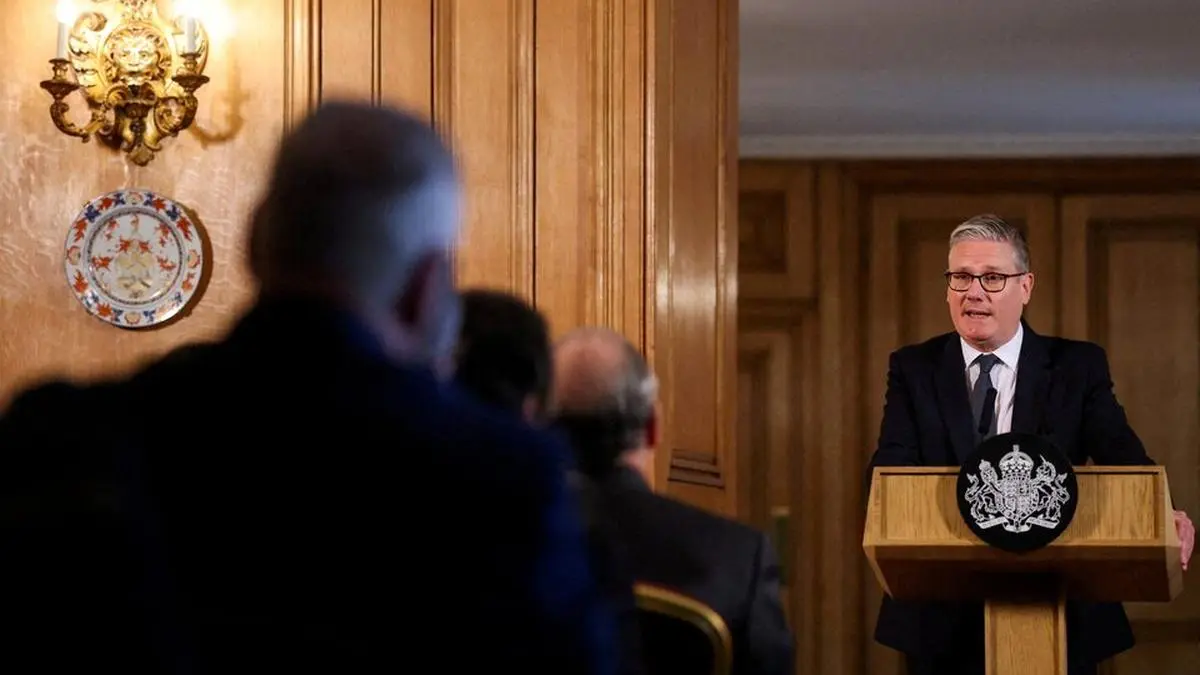
The man at the top, Prime Minister Keir Starmer, now faces an intensified period of scrutiny. His image, his policy agenda, and his ability to connect with the electorate are all being critically re-evaluated in the wake of these losses. Being Prime Minister means carrying the weight of the nation’s discontent, and these local results are a clear indicator that a significant portion of the public is unhappy with the direction his government is taking.
The question isn’t just about party leadership anymore; it’s about the sustainability of his premiership. Can he rally his party, reassure the public, and articulate a vision compelling enough to reverse this trend before the next general election? The road ahead looks increasingly bumpy, with discontent potentially brewing within his own party ranks as well as across the country.
### The Rise of Alternatives: Where Did the Votes Go?
If Labour is losing ground, where are those disillusioned voters going? While the specific details of Reform’s gains aren’t explicitly laid out in the snippet, the original headline (“Reform’s Rise”) suggests they are a significant beneficiary of Labour’s woes. This indicates a segment of the electorate is actively seeking alternatives outside of the traditional options, possibly drawn to populist or more radical platforms.
This shift points to a broader trend: voters are feeling unheard, underserved, or simply uninspired by the mainstream choices. They are willing to experiment, to back emerging forces, and to send a message that the old ways are no longer cutting it. This isn’t just a challenge for Labour; it’s a wake-up call for all established parties to listen more closely and adapt more quickly to the evolving demands of the British public.
### Why This Matters
These local election results are far more than just a snapshot of community politics. They are a crucial barometer for the national mood, signaling deep-seated dissatisfaction with the current government and a profound shift in voter allegiances. For Prime Minister Keir Starmer, it’s a stark warning that his hold on power is more precarious than perhaps imagined. For British politics as a whole, it heralds a new, more fragmented, and potentially unpredictable phase, where the path to power for any party will be increasingly complex and hard-fought. This transformation will undoubtedly shape policy, leadership battles, and the future direction of the United Kingdom for years to come.