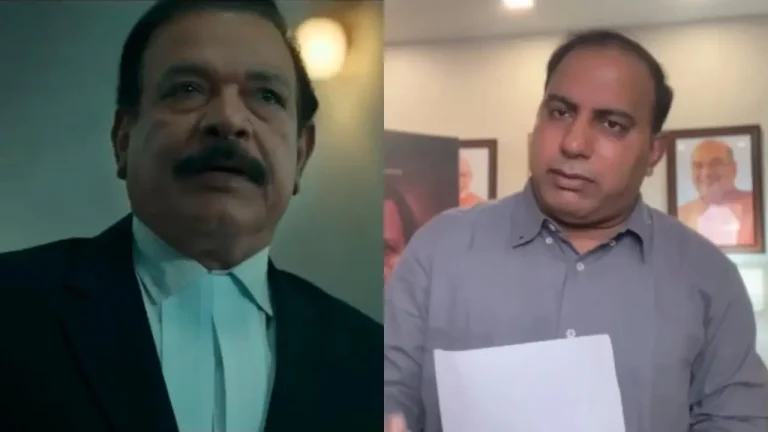
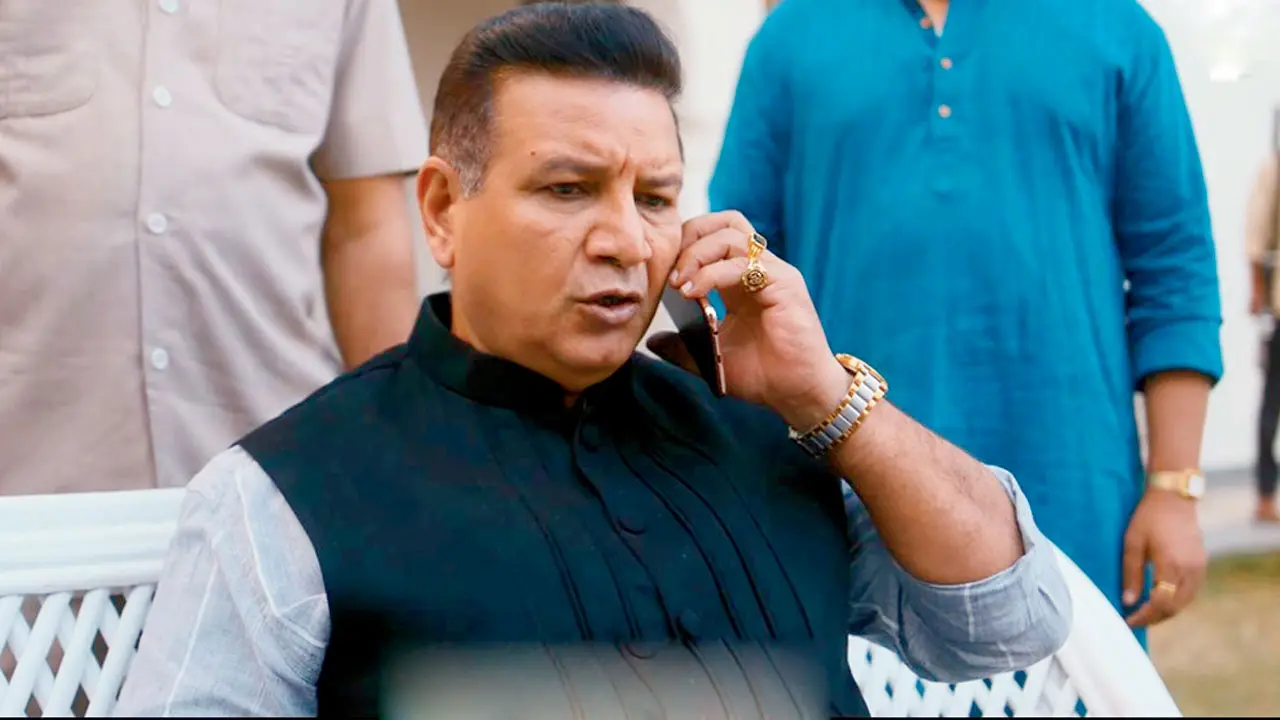
Mumbai – In an entertainment landscape increasingly defined by gritty realism and the liberal use of expletives, veteran actor Kumud Mishra is charting a different course. Known for his nuanced performances and powerful screen presence, Mishra recently revealed a fascinating condition he set before joining the cast of the upcoming web series *Satrangi: Badle Ka Khel*. His request? Less swearing, more impact.
The Power of Purposeful Language
Mishra, a celebrated name in Hindi cinema and OTT platforms, is set to play the antagonist in *Satrangi*, a series that delves into complex themes of caste and power dynamics. While the heavy subject matter immediately resonated with the actor, one aspect of the script gave him pause. “I said I won’t use a lot of abusive words, unless it is important,” Mishra shared in a recent interview, offering a rare glimpse into an actor’s thoughtful approach to character and dialogue.
His decision wasn’t born out of prudishness, but rather a keen observation of current storytelling trends. Mishra elaborated, “Whenever we go into Hindi heartland, abusive words become a tool to make a series dramatic.” This statement cuts to the heart of a debate often discussed among creators and audiences: when does realism cross into gratuitousness?
Beyond Shock Value: The Art of Restraint
For many contemporary web series, particularly those set in the raw, often unvarnished landscapes of rural and semi-urban India, strong language has become almost a default setting. It’s often justified as a means to achieve authenticity, reflecting the everyday speech patterns of certain demographics. And Mishra isn’t oblivious to this reality. “Of course, abuses are used in society on an everyday basis. I am not judging that; even I use abusive words,” he admitted candidly.
However, his philosophy diverges when it comes to the intentional crafting of art. “But in art, it should be deployed where its impact is felt,” he asserted. “If it’s in every other dialogue, then it’s being used for effect.” This distinction is crucial. It champions the idea that language, especially its more potent forms, should serve the narrative and character development, rather than merely existing as a stylistic flourish or an easy shortcut to perceived edginess.
A Director’s Agreement: A Shared Vision
What’s even more encouraging for fans of thoughtful storytelling is that director Jai Basantu Singh was fully on board with Mishra’s perspective. “The director strongly agreed [with me],” Mishra confirmed, highlighting a collaborative spirit that prioritizes substance over superficial shock. This mutual understanding likely bodes well for *Satrangi*, suggesting a production where every creative choice, including dialogue, is made with deliberate intent.
In an industry often driven by commercial pressures and the race to capture eyeballs, a director’s willingness to embrace an actor’s vision for refined language speaks volumes. It suggests a confidence in the script and performances to carry the drama, rather than relying on an endless barrage of expletives to create “tension” or “realism.”
The Trend of ‘Authenticity’ and Its Pitfalls
The proliferation of swear words in Indian web series has been a double-edged sword. While it has undeniably broken barriers and allowed for more raw, unadulterated storytelling, it has also led to a certain degree of overuse. Many critics and viewers have pointed out instances where expletives feel forced or unnecessary, detracting from the narrative rather than enhancing it.
Mishra’s stance serves as a powerful reminder that authenticity isn’t solely achieved through mimicking reality word-for-word. True authenticity in art often comes from distilling reality, selecting its most impactful elements, and presenting them with precision. A perfectly placed, impactful expletive can land with far greater force and resonance than a dozen scattered thoughtlessly throughout a scene.
Why This Matters
Kumud Mishra’s thoughtful approach to dialogue in *Satrangi* isn’t just about personal preference; it’s a significant statement on artistic responsibility and the evolution of digital storytelling in India. In an era where web series are increasingly blurring the lines between raw realism and gratuitous content, Mishra’s insistence on meaningful language challenges creators to consider the true purpose and impact of every word. It champions the idea that restraint can often lead to greater power and resonance, pushing the conversation beyond mere shock value towards deeper, more impactful storytelling that respects both the narrative and the audience’s intelligence. His collaborative spirit with director Jai Basantu Singh sets an example for how thoughtful decisions can elevate a production, proving that a story about caste and power can be potent without resorting to linguistic overkill.