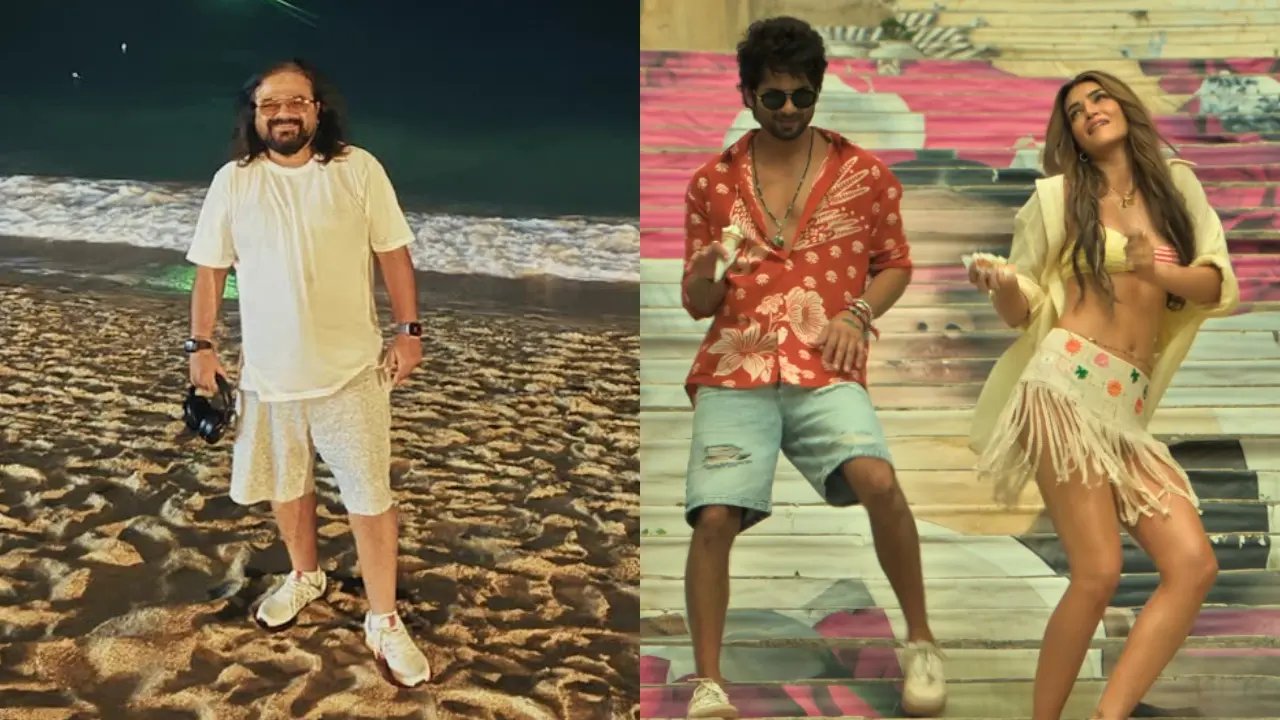
The world of Bollywood music is rarely quiet, and this week, renowned composer Pritam has certainly ensured it stays lively. Following the release of “Mashooqa,” a new track from the highly anticipated film *Cocktail 2*, the internet was quick to ignite with familiar accusations of plagiarism. However, instead of a standard statement, Pritam has delivered a scorching rebuttal, dubbing his critics an “unpaid PR team” in a no-holds-barred social media post.
### The Latest Buzz
Anticipation for *Cocktail 2* has been building steadily, with fans eager to see what the sequel brings to the table. As part of the promotional rollout, the filmmakers recently dropped “Mashooqa,” a romantic number aiming to capture hearts. Pritam, known for his ability to craft chart-topping hits across various genres, was at the helm, promising another memorable tune. For a section of listeners, the song was an instant earworm, ready to be added to their playlists. Yet, the celebratory mood was short-lived for some.
### The Accusation: A Familiar Tune?
It didn’t take long for eagle-eyed (and ear-tuned) netizens to raise a red flag. Almost immediately after “Mashooqa” hit streaming platforms, social media platforms buzzed with comparisons. The alleged culprit? An Italian track titled “Se So Arrubate A Nonna” by the duo Bibi & Coco. Screenshots and side-by-side audio comparisons began circulating, with critics pointing out what they perceived as striking similarities in the melody.
This isn’t an isolated incident in the digital age. With music from every corner of the globe accessible at our fingertips, online communities have become adept at spotting resemblances between new releases and existing works, often turning into impromptu music detectives. Such accusations can swiftly cloud a song’s reception, shifting focus from its artistic merit to its originality.
### Pritam’s Fiery Response
Late on Wednesday night, Pritam decided he’d had enough. He took to Instagram Stories, posting a strongly worded message that left no room for ambiguity about his feelings. His note read:
“Every single one of my song releases comes with a set of self-appointed music detectives, who have created a new genre called ‘imaginary similarities.’ Same people, same ‘inspired by’ thesis. Boss, at this point, you are my unpaid PR team. I just want to say, guys, NOT NICE.”
The composer’s statement was a clear and forceful dismissal of the allegations. He not only defended the originality of “Mashooqa,” asserting that “every tune and word is original,” but also turned the tables on his detractors. By calling them his “unpaid PR team,” Pritam seemingly implied that their constant scrutiny, even if critical, inadvertently keeps his name and his music in the public conversation. His frustration was palpable, yet laced with a biting sarcasm, suggesting that these recurrent accusations have become a predictable, almost tiresome, ritual for him.
### A Broader Conversation
Pritam’s response reignites a long-standing debate within the music industry: where does inspiration end and plagiarism begin? In a world saturated with musical content, the lines can sometimes appear blurry. Composers often draw from a vast well of global influences, and genuine melodic coincidences are not entirely impossible. However, the rise of social media has empowered listeners to hold artists to account more directly than ever before, creating a vigilant online ecosystem where alleged transgressions are quickly brought to light.
For established artists like Pritam, who have faced similar accusations in the past, these incidents can be particularly taxing. While such controversies can sometimes inadvertently boost a song’s visibility, they often come at the cost of reputational stress and the need for public defense. His recent comments highlight the fatigue that can set in when artists feel they are constantly under a microscope for every note they compose.
### The Road Ahead
As “Mashooqa” continues its journey, the impact of this controversy remains to be seen. Will Pritam’s bold stance quell the accusations, or will it simply fuel further discussion? For *Cocktail 2*, the added publicity, whether positive or negative, might undeniably draw more attention to the track. However, the ultimate test will be whether the song can stand on its own merits and resonate with audiences beyond the current debate over its origins.
The incident underscores the evolving relationship between artists, their work, and the digital audience. In an age of instant critique and global comparisons, composers are not just creators but also participants in an ongoing online dialogue about originality and artistic integrity.
### Why This Matters
This isn’t just about one song or one composer. It highlights the increasingly powerful role of online communities in shaping narratives around art. For artists, it underscores the constant scrutiny they face in the digital age, forcing them to navigate public opinion and defend their creative processes more proactively. For listeners, it showcases their collective power to influence discussions and demand transparency. Ultimately, it keeps the crucial conversation about originality, inspiration, and intellectual property alive and kicking in the vibrant, sometimes turbulent, world of entertainment.