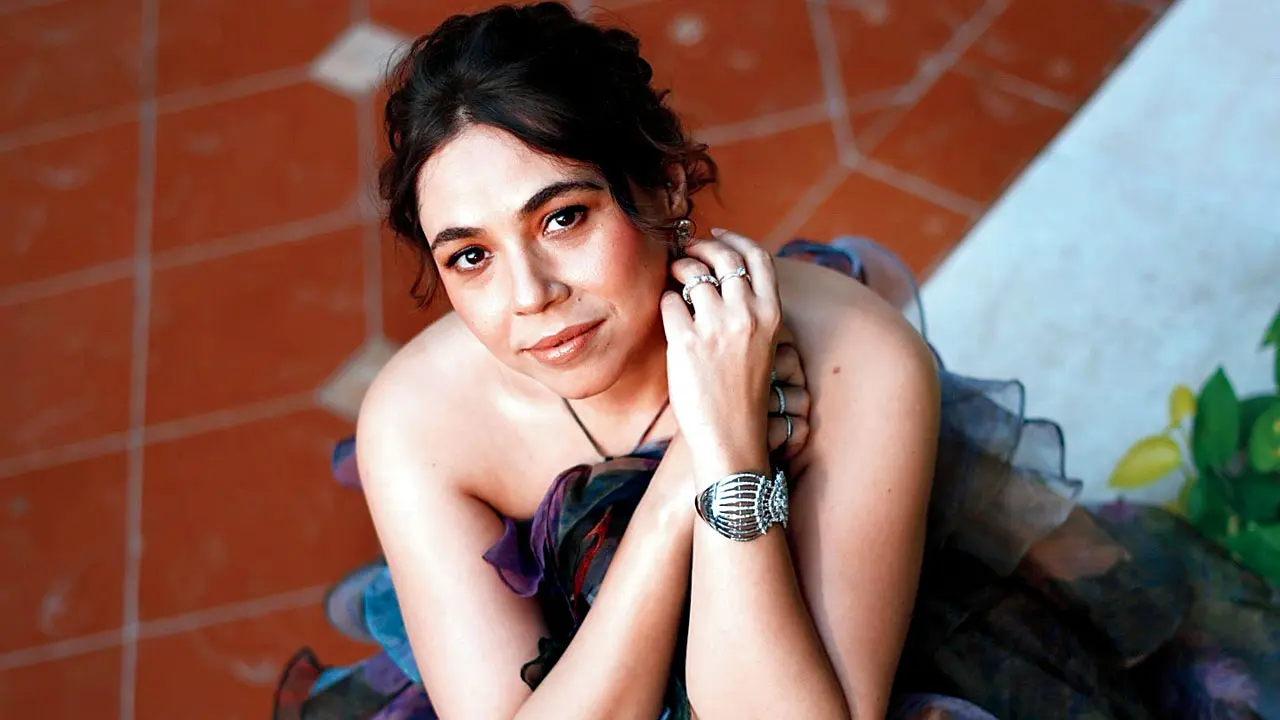
For an industry that thrives on constant visibility, a seven-year hiatus is practically a lifetime. Yet, for Maanvi Gagroo, a familiar and beloved face across India’s burgeoning digital and cinematic landscape, stepping away from the silver screen wasn’t just a break – it was a principled stand. The acclaimed actress, known for her powerful and relatable performances, has now revealed the compelling reason behind her prolonged absence from films: a deep-seated frustration with the misrepresentation of women in scripts.
The Problem with “Female” Characters
Imagine being an actor, passionate about your craft, repeatedly presented with scripts where the female characters feel flat, stereotypical, or simply inauthentic. That was Maanvi Gagroo’s reality for nearly seven years. She shared her candid thoughts, stating, “Often, I got excited by the one-line idea of a story, but when I got the script and read the dialogues, I felt they were written by men because [they didn’t seem] to even understand how women talk. Women often get misrepresented in shows and movies.”
This isn’t a minor grievance; it speaks to a fundamental disconnect between creators and the lived experiences of half the population. Maanvi’s comments highlight a widespread issue where female roles are frequently crafted through a male gaze, leading to dialogues and character arcs that feel forced, simplistic, or entirely out of sync with how real women think, speak, and navigate the world. From superficial concerns to one-dimensional motivations, these portrayals often perpetuate stereotypes rather than celebrating the complexity and depth of female identity.
A Bold, Seven-Year Stand
In an industry as competitive and unforgiving as entertainment, taking a seven-year break, especially after gaining recognition, requires immense conviction and courage. Maanvi’s refusal to compromise on the integrity of her characters meant sacrificing opportunities, potential fame, and consistent income. It was a conscious decision to prioritize artistic authenticity over mere screen time.
This isn’t an easy choice for any actor. The pressure to stay relevant, to accept any decent offer, is immense. But Maanvi’s unwavering commitment to depicting women truthfully speaks volumes about her dedication not just to her art, but to the broader conversation around gender representation. She wasn’t just turning down roles; she was turning down a narrative that she felt did a disservice to women. Her actions echo a growing sentiment among actresses who are no longer content with being decorative or secondary figures. They demand substance, agency, and characters that resonate with a modern audience.
The Turning Point: ‘Heer Sara Aur Pondicherry’
After years of searching for scripts that aligned with her vision, Maanvi finally found a project that resonated deeply: ‘Heer Sara Aur Pondicherry’. What made this film different? It offered precisely what she had been missing: an authentic female perspective.
Her involvement went beyond just acting. She actively collaborated with director Kartik Chaudhry, bringing her own experiences and insights to the table to infuse the characters with unparalleled realism. This wasn’t just about reciting lines; it was about shaping narratives. Together, they worked to incorporate “realistic details from women’s experiences.”
Imagine the nuances: the way friends truly talk and support each other, the subtle anxieties and triumphs of everyday life, the non-glamorized struggles, the complexity of relationships, and the quiet strength often overlooked in commercial cinema. These are the kinds of details that transform a character from a script invention into a living, breathing person that audiences can genuinely connect with. This collaborative approach allowed Maanvi to contribute to a story that truly understood and respected its female protagonists, making her return to films a meaningful one.
Beyond the Screen: A Broader Conversation
Maanvi Gagroo’s story is more than just an actress’s personal struggle; it’s a microcosm of a larger cultural shift. As audiences become more discerning and demand diverse, inclusive narratives, the entertainment industry is slowly but surely being compelled to evolve. The rise of streaming platforms has also played a crucial role, creating spaces for experimental storytelling and nuanced character development that might not always find a home in mainstream cinema.
Her outspokenness serves as an important reminder to writers, directors, and producers: the days of lazily penned female characters are numbered. Actresses like Maanvi are not just performing roles; they are advocates for better representation, pushing the industry towards a more equitable and authentic portrayal of women. Her journey highlights the power of saying “no” when it means upholding artistic and ethical standards.
Why This Matters
Maanvi Gagroo’s courageous stand shines a spotlight on the critical need for authentic female representation in entertainment. When women are depicted truthfully, it empowers audiences, challenges stereotypes, and fosters a more inclusive creative environment. Her story is a powerful reminder that an artist’s integrity can drive significant industry change, leading to more relatable and impactful stories for everyone.
A Hopeful Horizon
As Maanvi Gagroo steps back into the cinematic spotlight with ‘Heer Sara Aur Pondicherry’, her journey stands as a testament to her unwavering belief in the power of genuine storytelling. Her seven-year hiatus was not a setback, but a statement – a demand for better, more authentic narratives for women on screen. And as the industry slowly but surely catches up, actors like Maanvi are leading the charge towards a more representative and resonant future for Indian cinema.