
Indian cricket is buzzing after a significant shake-up in the Test squad’s leadership ahead of the one-off match against Afghanistan. The Board of Control for Cricket in India (BCCI) announced a decision that has sent ripples through the cricketing fraternity: KL Rahul will step into the vice-captaincy role, replacing the dynamic Rishabh Pant. This move, made public on Tuesday, May 20, 2026, has ignited a fiery debate among fans and pundits alike, with many asking: what prompted this sudden change?
A Surprise Leadership Shift
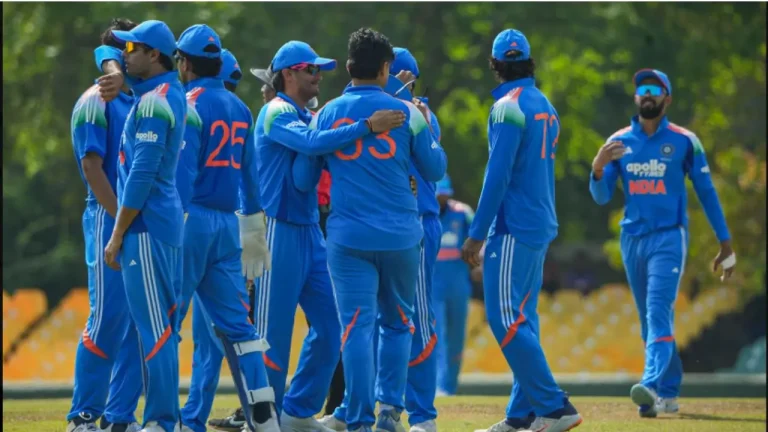
The ‘Men in Blue’ are gearing up for a bilateral series against Afghanistan, featuring a crucial one-off Test match and three ODIs. The Test, scheduled from June 6 to 10, promises to be an exciting encounter at the Maharaja Yadavindra Singh PCA Stadium in New Chandigarh. However, the pre-match narrative has been undeniably dominated by the vice-captaincy switch. Rishabh Pant, a player often seen as a future leader for India, has been relieved of the responsibility, with the experienced KL Rahul stepping into the void. This decision by the team’s ‘think tank’ has left many scratching their heads, particularly given Pant’s recent return to competitive cricket after a challenging period.
Kaif Weighs In: The IPL Connection
Adding fuel to the fire, former Team India star Mohammad Kaif didn’t hold back his opinion on the matter. Speaking candidly after the announcement, Kaif suggested that Pant’s performance in the ongoing edition of the Indian Premier League (IPL) might be the key factor behind his removal from the vice-captaincy.
“Rishabh Pant hasn’t done anything wrong to warrant this,” Kaif reportedly stated, implying that the decision might be more a reflection of current form rather than any disciplinary issue or long-term leadership assessment. This perspective throws a spotlight on the intense scrutiny players face during the IPL and how it can directly influence their standing in the national team, even for leadership roles. It underscores the perpetual balancing act between franchise commitments and national team aspirations, where every performance is meticulously dissected.
Pant’s Rollercoaster Journey: From Comeback Kid to Question Marks?
Rishabh Pant’s journey over the past year has been nothing short of inspiring. After a life-threatening accident, his incredible resilience and dedication saw him make a remarkable comeback to professional cricket, particularly in the IPL. His return was celebrated across the cricketing world, a testament to his fighting spirit. He quickly regained his explosive batting form, reminding everyone of his match-winning capabilities.
However, as Kaif alluded, perhaps his overall consistency or specific aspects of his game in the ongoing IPL season have come under the scanner of the national selectors and team management. While Pant has displayed flashes of brilliance, the vice-captaincy role demands not just individual performance but also a consistent presence and strategic insight. It’s a role that often requires unwavering form and a clear head, perhaps something the ‘think tank’ felt was momentarily lacking or that Rahul was better positioned to offer at this specific juncture. This decision, therefore, could be less about a permanent demotion and more about strategic prudence for the immediate assignment.
KL Rahul’s Stepping Up
The mantle of vice-captaincy now falls to KL Rahul, a player with considerable leadership experience under his belt. Rahul has captained India in various formats previously and has a proven track record as a shrewd tactician and a calm presence on the field. His recent form, both with the bat and behind the stumps in certain formats, has been solid, making him a reliable choice for a leadership position.
His elevation signals the selectors’ confidence in his leadership abilities and his current stability, providing a steady hand to Rohit Sharma as the team navigates the challenges of a Test match. Rahul’s calm demeanor and tactical acumen are often cited as his strengths, qualities that the team management might value highly in a Test match setting, particularly against a rapidly improving Afghanistan side.
The Road Ahead: India vs. Afghanistan
Beyond the leadership changes, the series itself holds significance. Afghanistan, a team that has made remarkable strides in international cricket, will be looking to make a statement in their one-off Test against one of the world’s cricketing powerhouses. For India, it’s an opportunity to fine-tune strategies and test player combinations ahead of future assignments.
The Test match, set for early June in New Chandigarh, will be a crucial battle for both teams. While the spotlight might currently be on leadership dynamics, the ultimate goal for the ‘Men in Blue’ remains clear: to dominate the opposition and secure a convincing victory. How this leadership change impacts team morale and performance on the field will be keenly watched.
Why This Matters
This vice-captaincy switch isn’t just a minor administrative detail; it reflects the ongoing strategic thinking within Indian cricket. It highlights how player form, even in domestic tournaments like the IPL, can directly influence national team roles, especially those involving leadership. For Rishabh Pant, it’s a reminder of the relentless competition and the constant need to perform at the highest level. For KL Rahul, it’s an affirmation of his leadership capabilities. Ultimately, it underscores the intense pressure and high stakes involved in representing India, where every decision, big or small, carries immense weight and sparks nationwide discussion.