
The glitz and glamour surrounding *Cocktail 2* just got a surprising dash of controversy. While fans eagerly anticipate the film’s release, its latest track, “Mashooqa,” is currently at the heart of an online uproar. Composer Pritam, known for his chart-topping hits, is facing serious accusations of plagiarism, with eagle-eyed internet users pointing out striking similarities between “Mashooqa” and a decades-old Italian song.
### The Buzz Around *Cocktail 2* and “Mashooqa”
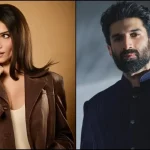
*Cocktail 2* has been generating significant buzz, with its star-studded cast and promise of a fresh romantic narrative. Adding to the excitement, the makers recently unveiled “Mashooqa,” a vibrant and romantic track featuring the undeniable on-screen chemistry between lead actors Shahid Kapoor and Kriti Sanon. The song quickly garnered attention for its appealing visuals and peppy rhythm, positioning itself as another potential hit from Pritam’s stable. However, the celebratory mood quickly shifted as a different kind of buzz began to circulate – one concerning the song’s originality.
### The Accusation: An Italian Echo from 1993
It wasn’t long before the internet, ever vigilant, started drawing comparisons. A segment of online users swiftly accused the creators of “Mashooqa” of lifting its core tune from a 1993 Italian track titled “Se So Arrubate A Nonna.” The specific allegation suggests that the musical essence, the very backbone of “Mashooqa,” bears an uncanny resemblance to the older European number. This isn’t just a faint echo; many are claiming it’s an almost identical replication.
### The Internet Reacts: From Sarcasm to Scrutiny
The claims gained significant traction after a user on Reddit shared a side-by-side comparison, juxtaposing clips from “Mashooqa” with “Se So Arrubate A Nonna.” The evidence, presented in an easy-to-digest format, ignited a flurry of comments and discussions across various social media platforms. The overwhelming sentiment among those who listened to both tracks was one of disbelief and, for some, a weary sense of déjà vu.
Online comments quickly piled up, reflecting a range of reactions. One user, expressing clear disappointment, wrote, “It’s still a dull song even after Pritam copied it,” implying that even with a borrowed tune, the track lacked spark. Another comment, dripping with sarcasm, simply stated, “Fork found in kitchen,” a popular internet idiom used to denote an obvious, undeniable discovery – in this case, the alleged plagiarism. The sentiment of exasperation was palpable in a comment that simply asked, “Bollywood copying again?” highlighting a recurring criticism faced by the Indian film music industry. And, for those who needed a direct confirmation, many users unequivocally stated, “It sounds the same.”
### The Shadow of Plagiarism in Music
This isn’t an isolated incident in the vast world of music, nor is it new to Bollywood. Accusations of plagiarism have long plagued the industry, with composers often walking a thin line between ‘inspiration,’ ‘homage,’ and outright ‘copying.’ In an age where music from across the globe is instantly accessible, the internet has become a powerful watchdog, making it increasingly difficult for unoriginal content to slip past unnoticed. Dedicated music enthusiasts and casual listeners alike are now armed with tools and platforms to quickly identify and call out alleged instances of musical theft.
For composers like Pritam, who has faced similar accusations in the past, such incidents can cast a shadow on their creative integrity. While the industry often grapples with the fine line between drawing inspiration from global sounds and direct appropriation, the current digital landscape demands greater transparency and originality. The easy accessibility of both old and new music means that any perceived musical similarity is now just a few clicks away from becoming a full-blown online controversy.
### What Happens Next?
As the “Mashooqa” controversy continues to simmer online, all eyes are now on the creators of *Cocktail 2* and Pritam himself. Will they address the allegations? Will there be an official statement clarifying the similarities, perhaps attributing it to coincidence or a deep-cut homage? Or will the storm eventually blow over, leaving the song to stand on its own merits despite the cloud of accusation? Only time will tell how this latest musical debate will play out, but one thing is clear: in the age of instant information, the internet remains a formidable judge of artistic originality.
### Why This Matters
This incident isn’t just about one song or one composer. It highlights the growing scrutiny on artistic originality in the digital age. For creators, it underscores the importance of intellectual property and the delicate balance between inspiration and imitation. For audiences, it empowers them to hold artists accountable, shaping the future of music by demanding authenticity and celebrating true innovation. It reminds us that artistic integrity is a cornerstone of creativity, and its perceived violation resonates deeply with fans globally.