
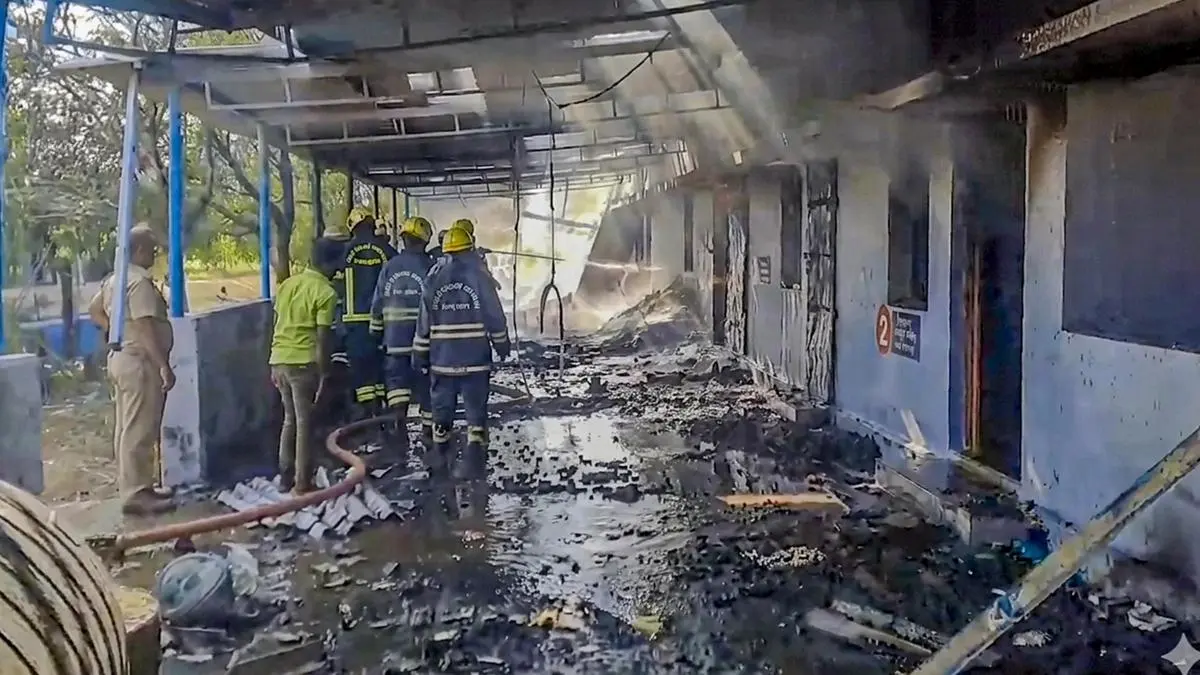
The dust hasn’t settled, and the acrid smell of tragedy still hangs heavy over Kattanarpatti village. On April 19, 2026, a devastating explosion ripped through a firecracker manufacturing unit near Sivakasi, India’s fireworks capital, claiming the lives of 25 workers. Just days before, on April 13, three more lives were lost in a similar blast at Thayalpatti in the same region. These aren’t isolated incidents; they are chilling echoes of a system where human lives become expendable in the relentless pursuit of profit.
Sivakasi: A Hub of Fireworks, A Hotbed of Hazard
Sivakasi, nestled in Tamil Nadu’s Virudhunagar district, proudly holds the title of India’s fireworks manufacturing hub, lighting up celebrations across the nation. Yet, beneath the dazzling spectacle, lies a grim reality. It’s also a recurring scene of catastrophic explosions, where the very industry designed to bring joy often brings unimaginable sorrow to its workforce. These latest incidents serve as a stark, painful reminder that despite decades of such tragedies, fundamental safety reforms and much-needed mechanization remain largely “on paper.”
The Human Cost: Invisible Lives, Expendable Futures
The victims of these blasts share a common, heartbreaking thread: they were predominantly women from poor and low-income families. For them, working in a firecracker unit isn’t a career choice; it’s a lifeline, often the only means to feed their families. They toil in precarious conditions, often with inadequate training and minimal safety gear, knowing the risks but facing the greater threat of starvation without work. Their deaths are not just statistics; they are mothers, sisters, and daughters whose sudden absence leaves gaping holes in already vulnerable households, pushing surviving family members deeper into poverty.
Unpacking the “Deadly Nexus”: Systemic Failures Exposed
These explosions are not random accidents; they are the predictable outcome of a “deadly nexus” – a corrosive interplay of regulatory failure, illegal outsourcing, and profit-driven neglect.
Regulatory Blind Spots and Weak Enforcement
Despite a comprehensive rulebook, the implementation on the ground is alarmingly lax. Inspections are often superficial, understaffed, or sometimes non-existent. Licenses are granted, but continuous, rigorous oversight to ensure compliance with safety protocols, storage limits, and chemical handling procedures is consistently overlooked. Loopholes are exploited, and accountability, when incidents occur, is often elusive, allowing the cycle of negligence to persist.
The Shadow Economy: Illegal Outsourcing and Sub-Contracting
A significant contributing factor to the danger is the widespread practice of illegal outsourcing and sub-contracting. Larger, licensed units often offload parts of their production process to smaller, unregistered workshops, or even home-based operations. These informal units operate completely outside the regulatory framework, with no safety checks, no proper infrastructure, and often employing untrained laborers under dangerous, cramped conditions. It’s a cost-cutting measure that drastically increases risk, transforming residential areas into potential bomb sites and making it nearly impossible for authorities to monitor safety effectively.
Profit Over People: The Relentless Drive for Margins
At the heart of the problem is the industry’s relentless drive for profit. Investing in modern machinery, robust safety infrastructure, and comprehensive worker training is expensive. For many manufacturers, particularly those engaged in illegal operations, cutting these corners directly translates to higher profit margins. This economic pressure creates an environment where basic safety measures are compromised, hazardous materials are mishandled, and human lives are undervalued compared to the bottom line.
A Cycle of Unfulfilled Promises
The history of Sivakasi is tragically punctuated by such explosions. Each major incident sparks public outrage, promises of stricter enforcement, and calls for reforms. Yet, time and again, these commitments fade into the background until the next explosion brings the issue violently back into the spotlight. The proposed shift towards mechanization, which could significantly reduce human exposure to hazardous processes, remains largely a theoretical solution, resisted by some owners due to initial investment costs and concerns about potential job displacement. This leaves manual laborers, who are least able to advocate for themselves, to bear the brunt of the danger.
Why This Matters
The Sivakasi tragedies are not just local news; they are a critical barometer of industrial safety, worker rights, and regulatory efficacy in India. They highlight how economic pressures can erode basic human protections and expose the systemic vulnerabilities that trap the poorest segments of society in life-threatening work. Until genuine, sustained efforts are made to dismantle the “deadly nexus” of regulatory failure, illegal practices, and profit-driven neglect, the smoke from these explosions will continue to signal a profound failure of governance and human empathy.