The cricketing world is buzzing, and the name on everyone’s lips is Vaibhav Sooryavanshi. At just 15 years old, this phenom has taken IPL 2026 by storm, captivating fans and pundits alike with a fearless batting display that has defied his tender age. But as calls for his immediate integration into the senior Indian squad grow louder, the Board of Control for Cricket in India (BCCI) finds itself grappling with a familiar, yet uniquely pressing, selection dilemma: how to nurture a generational talent without burning him out too soon.
The Rise of a Wonder Kid
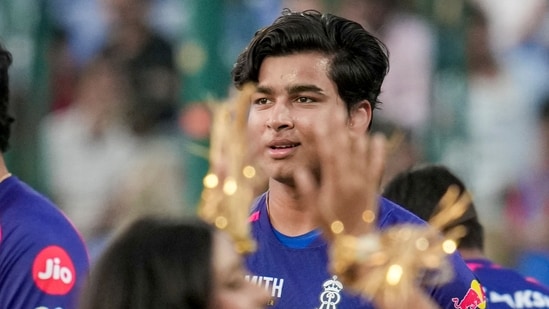
IPL 2026 has been a season of many highlights, but few have shone brighter than Vaibhav Sooryavanshi. Representing Rajasthan Royals, the young batter has delivered a campaign that can only be described as audacious. Picture this: a mere teenager, stepping onto the biggest T20 stage, unflinchingly taking on the likes of Jasprit Bumrah, Josh Hazlewood, and Kagiso Rabada – bowlers who strike fear into the hearts of seasoned international batsmen. Yet, Sooryavanshi has not just faced them; he’s sent them on a “leather hunt,” dispatching balls to all parts of the ground with a maturity and power far beyond his years. His audacious strokeplay, impeccable timing, and calm demeanor under pressure have marked him as a truly special talent.
Fans, commentators, and former players have been quick to laud his potential, with many advocating for his fast-tracking into the senior national team. The sheer audacity of his performances has created an irresistible narrative: a raw, prodigious talent ready to shake up the establishment.
Mohit Sharma’s Measured Perspective
Among the chorus of praise, former India paceman Mohit Sharma has offered a more nuanced, albeit equally admiring, perspective. Speaking on the burgeoning debate, Sharma unequivocally states that Sooryavanshi is “India-ready.” His assessment isn’t just based on the IPL fireworks but likely on the youngster’s temperament, skill set, and evident mental fortitude. However, Sharma’s endorsement comes with a crucial caveat, one that subtly highlights the complexities the BCCI faces: Sooryavanshi should be picked “only if there is room in the XI.”
This isn’t a dismissal of the young prodigy’s talent. Instead, it’s a pragmatic nod to the existing strength and balance of the Indian squad. Team India, particularly in white-ball formats, boasts an array of world-class performers, established veterans, and other emerging talents vying for limited spots. Integrating a 15-year-old, no matter how gifted, into an already formidable and well-oiled machine requires careful thought, not just impulsive excitement.
The BCCI’s Balancing Act: Pressure vs. Prudence
The pressure on the BCCI is immense. On one hand, there’s the palpable excitement from a passionate cricketing nation, eager to see their newest sensation in the national colours. The fear of missing a golden opportunity or stifling a talent by delaying his entry is real. On the other hand, the board has a responsibility to manage player careers, ensuring sustainable growth and preventing burnout or undue pressure on such a young individual.
Historically, the BCCI has often opted for a more phased approach, preferring to allow young stars to mature through domestic cricket and India A tours before throwing them into the international cauldron. This strategy aims to build resilience, expose players to diverse conditions, and refine their skills away from the intense spotlight of senior international cricket.
Beyond the Hype: The India A Pathway
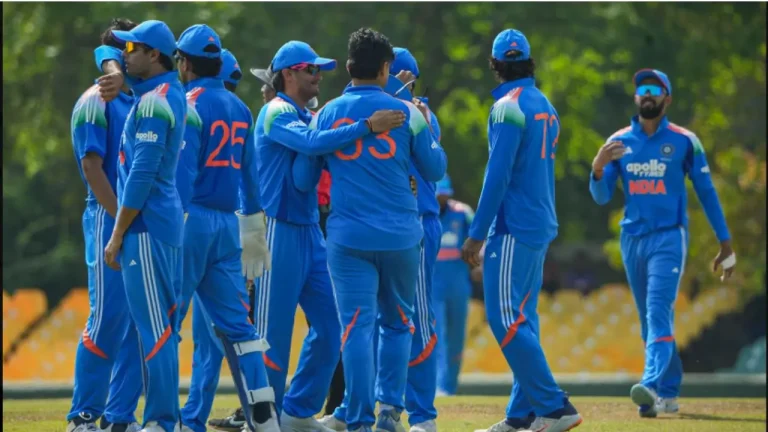
In what appears to be a clear indication of their immediate strategy, the BCCI has already included Vaibhav Sooryavanshi in the India A squad for the upcoming tri-series in Sri Lanka. This decision speaks volumes. It acknowledges his exceptional talent and meteoric rise in the IPL, validating the widespread hype. Simultaneously, it offers a crucial stepping stone – a bridge between the high-octane IPL and the ultimate senior international debut.
The India A tour serves multiple vital purposes:
* Exposure to Different Conditions: Playing in Sri Lanka will test Sooryavanshi’s adaptability to foreign pitches and varying match situations, a crucial aspect for any international cricketer.
* Higher-Level Competition: While not the senior team, India A matches against other national A teams provide a significantly tougher challenge than most domestic games, pushing players to elevate their game.
* Mentorship and Development: It allows him to work closely with India A coaches and experienced senior players who might be part of the squad, gaining invaluable insights and guidance.
* Assessing Longevity: It allows selectors to evaluate his temperament and consistency over a more extended period and across different formats, away from the T20 blitz.
This selection suggests the BCCI is keen to invest in Sooryavanshi’s long-term future, ensuring he is fully equipped before making the leap to the senior squad. It’s a calculated move designed to protect a precious asset while meticulously preparing him for the rigours of international cricket.
Why This Matters
The Vaibhav Sooryavanshi saga isn’t just about one player; it highlights a recurring dilemma in Indian cricket: balancing the immediate gratification of fan demand with the long-term, sustainable development of prodigious talent. How the BCCI navigates this particular challenge could set a precedent for future wonder kids, impacting not just Sooryavanshi’s career but the broader pathway for young cricketers hoping to represent India on the world stage. It’s a test of prudence, patience, and strategic foresight in the face of overwhelming public excitement.