The glitz and glamour of Bollywood might often paint a picture of endless resources, but beneath the surface, a significant conversation is brewing. Following a powerful appeal from none other than veteran actor Kamal Haasan, the All Indian Cine Workers Association (AICWA) is taking a bold stand. They’re gearing up to pen a letter to Prime Minister Narendra Modi, advocating for a significant reduction in foreign film shoots. The goal? To safeguard Indian jobs and bolster the local film ecosystem amidst the ongoing economic ripples from the West Asia crisis.
### The Emergency Meeting That Sparked Action
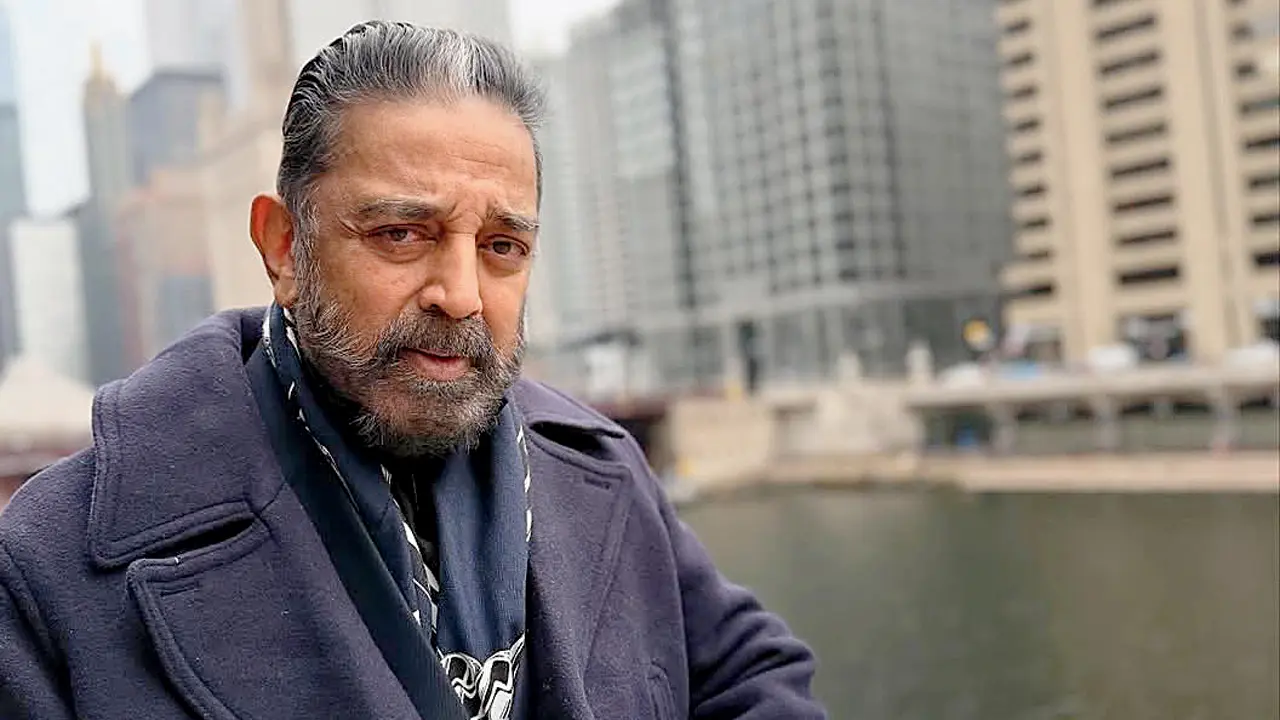
On May 16, the AICWA convened an emergency meeting, a move that signals the gravity of the situation. The primary agenda was to deliberate on the path forward after Kamal Haasan issued an open letter, urging the Indian film industry to critically assess its extravagant spending habits and reconsider the necessity of expensive international productions. His message was clear: in times of global economic instability, the focus should shift inwards.
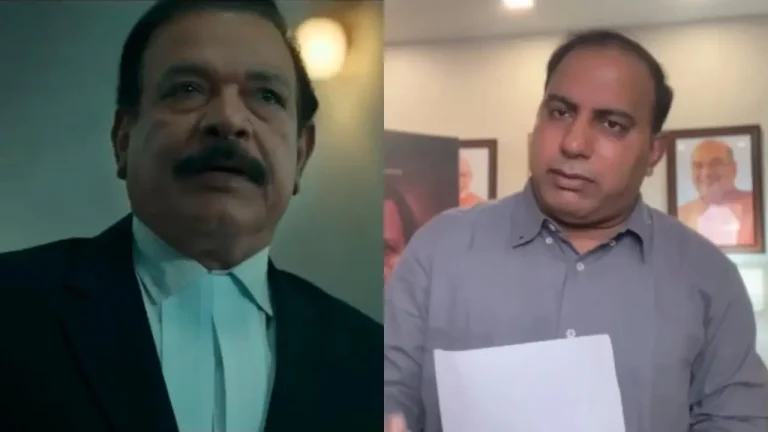
Suresh Shyamlal Gupta, Chairman of the AICWA, didn’t mince words when speaking to mid-day. He confirmed that the association is not just discussing but actively preparing to formally petition the Prime Minister. Their central request will be to scale back international shoots, a measure they believe is crucial for the survival and prosperity of countless Indian film industry professionals.
### Why Less Abroad Means More at Home
Gupta laid out the core argument with stark clarity: “Today, almost 30 per cent of our films are being shot outside India.” While visually stunning foreign locales might add production value, this trend comes at a steep cost for the local workforce. When cameras roll in international settings, a vast army of Indian workers – from skilled technicians and talented junior artistes to essential spot boys and various daily wage earners – are left without work.
This displacement of labour, according to AICWA, is simply unsustainable, especially during a period marked by economic uncertainty. The association believes that the priority must be to strengthen India’s own film production infrastructure and ensure that the wealth generated by Indian cinema primarily benefits Indian hands. Every film shot locally translates directly into paychecks for local talent and crews, injecting vital funds into the national economy.
### Kamal Haasan’s Powerful Precedent
Kamal Haasan’s initial open letter acted as a powerful catalyst for this movement. A respected voice within the industry, his call to cut “excess spending” and “rethink expensive foreign shoots” resonated deeply. He highlighted that while artistic ambition is commendable, practical realities, particularly economic ones, demand a more responsible and introspective approach from filmmakers and producers.
His concerns aren’t just about financial prudence; they stem from a broader understanding of the economic impact of global events, specifically the fallout from the West Asia crisis. This crisis, while geographically distant for many, has global economic implications that invariably touch various sectors, including entertainment, prompting a need for heightened financial caution and strategic resource allocation.
### Building India’s Film Ecosystem, Brick by Brick
The essence of AICWA’s appeal harks back to a foundational principle: “Shoot in India, take it to the world.” This isn’t just a catchy slogan; it’s a vision for a self-reliant and robust Indian film industry. By prioritizing domestic shooting locations, productions can significantly boost local economies across India, from bustling urban centers to picturesque rural landscapes.
Imagine the ripple effect: hiring local caterers, accommodation providers, transport services, and equipment rentals – all contribute to a thriving ecosystem. This approach doesn’t just create immediate jobs; it also fosters skill development, nurtures local talent, and ultimately elevates the quality and capacity of India’s film production capabilities. It’s about cultivating a sustainable industry that can compete globally while remaining deeply rooted at home.
### A Direct Plea to the Highest Office
The decision to write directly to Prime Minister Narendra Modi underscores the urgency and significance of AICWA’s appeal. It signifies a belief that this is not merely an industry-specific problem but one that requires high-level government intervention and policy adjustments. The hope is that the Prime Minister will acknowledge the plea and potentially introduce measures or incentives that encourage domestic filming and prioritize local employment.
Such a directive could have far-reaching implications, potentially reshaping how Indian films are budgeted, planned, and executed. It could mark a pivotal shift towards a more nationalist approach to film production, ensuring that the benefits of India’s booming entertainment sector are first and foremost enjoyed by its own citizens.
### Why This Matters
This isn’t just industry chatter; it’s about the livelihoods of thousands. In an economic climate fraught with uncertainty, every job saved and every opportunity created within India’s massive film industry translates into stability for families and growth for the nation. It highlights a critical debate: how do we balance global artistic aspirations with the economic realities and job security of our local workforce? The outcome of AICWA’s appeal to PM Modi could set a new precedent for the future direction of Indian cinema, reinforcing the importance of investing in our own talent and infrastructure.