The French Riviera, typically abuzz with glitz and glamour, recently witnessed a profound moment of cinematic history as a restored Indian classic, John Abraham’s cult Malayalam film *Amma Ariyan* (A Letter to Mother), premiered to a moving standing ovation at the prestigious Cannes Film Festival. This wasn’t just another screening; it was a powerful testament to timeless storytelling, the painstaking art of preservation, and the enduring legacy of a visionary filmmaker.
A Triumphant Return to the Big Screen
On a balmy Sunday, the 4K restored version of *Amma Ariyan* graced the ‘Cannes Classics’ section, a revered category dedicated to showcasing masterpieces of film history brought back to their original glory. The response was immediate and overwhelming. As the final credits rolled, the audience rose in unison, applauding for several minutes in a heartfelt tribute to a film that, despite being nearly four decades old, resonated deeply with contemporary themes.
This year, *Amma Ariyan* holds the unique distinction of being the *only* Indian film selected for the festival, amplifying the significance of its reception. Its presence underscored a growing international appreciation for the rich and diverse narratives emerging from India’s regional cinema, particularly from Kerala’s vibrant industry.
Unearthing a Hidden Gem: The Legacy of John Abraham
Released in 1986, *Amma Ariyan* isn’t just a film; it’s a seminal work in Indian independent cinema. Directed by the enigmatic and iconoclastic John Abraham, the film broke new ground with its unconventional narrative structure and socio-political commentary. It follows a young man’s journey across Kerala, carrying a letter from a deceased rebel to his mother, intertwining personal grief with broader societal issues and the simmering political unrest of the time.
John Abraham, often hailed as a maverick filmmaker, was known for his raw, unflinching portrayals of reality and his deep commitment to social justice. His films, though few, left an indelible mark on Malayalam cinema, challenging conventions and inspiring generations of directors. *Amma Ariyan* stands as a poignant example of his unique vision, capturing the essence of a changing society through a deeply personal lens. Its ‘cult classic’ status comes from its critical acclaim and underground popularity, rather than mainstream box office success, making its Cannes recognition all the more meaningful.
The Herculean Task of Restoration
Bringing *Amma Ariyan* back to the silver screen in stunning 4K was no small feat. This monumental undertaking was championed by the Film Heritage Foundation (FHF), a Mumbai-based non-profit organization dedicated to preserving India’s cinematic legacy. For FHF, this marked their fifth consecutive year at Cannes with a restored film, a remarkable achievement that highlights their unwavering commitment to safeguarding India’s precious film archives.
Shivendra Singh Dungarpur, the visionary founder of FHF, has been a tireless advocate for film preservation in India. His foundation meticulously works to rescue, restore, and preserve countless reels of Indian cinema that are at risk of being lost forever due to neglect, poor storage, and the unforgiving tropical climate. The restoration of *Amma Ariyan* involved months of painstaking effort, from digitizing the original negatives to color correction and sound mastering, ensuring that Abraham’s masterpiece could be experienced by a new global audience exactly as he intended – or perhaps even better, given modern technological advancements.
Indian Cinema’s Global Footprint
The presence of *Amma Ariyan* at Cannes, and its heartwarming reception, is a proud moment for Indian cinema as a whole. It reminds the world that Indian filmmaking extends far beyond the well-known spectacle of Bollywood, encompassing a rich tapestry of regional narratives, artistic expressions, and profound storytelling. The ‘Cannes Classics’ section, in particular, serves as a vital platform for showcasing the global relevance and timeless artistry of films from diverse cultural backgrounds.
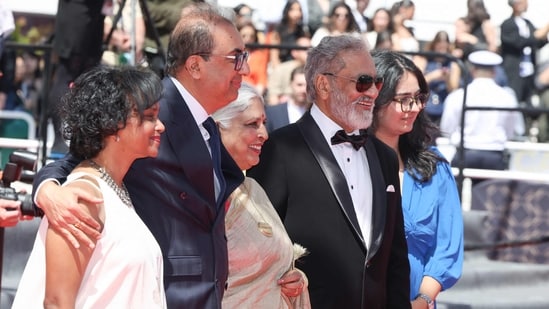
The screening was attended by key figures who played a role in this cinematic revival. Indian filmmaker and producer Shivendra Singh Dungarpur, whose relentless efforts brought the restoration to fruition, was present. He was joined by acclaimed Indian film editor Bina Paul and actor Joy Mathew, both prominent personalities in Malayalam cinema, adding a significant layer of representation and celebration from the Indian film fraternity. Their presence underscored the collaborative spirit and collective pride in this achievement.
Why This Matters
The standing ovation for *Amma Ariyan* at Cannes isn’t just about one film; it’s a powerful statement about the importance of preserving artistic heritage. It highlights the dedication of organizations like the Film Heritage Foundation, whose tireless work ensures that iconic films from India’s past continue to inspire and challenge audiences worldwide. This recognition also puts a crucial spotlight on the depth and diversity of Indian regional cinema, proving that compelling stories, irrespective of their origin language, possess a universal appeal that transcends cultural barriers and geographical boundaries. It’s a win for history, for art, and for every filmmaker dreaming of telling their unique story.