Get ready, football fanatics and tech enthusiasts, because the FIFA World Cup isn’t just coming to North America in 2026 – it’s bringing a game-changing wave of innovation that promises to redefine how we experience live sports. Picture this: stadiums that don’t just host games but actively enhance every moment, and fan experiences so immersive, you’ll feel like you’re part of the action. This future isn’t a distant dream; it’s already being engineered, with the USA at the forefront, and India playing a pivotal role in this exciting new chapter.
The Vision: Smart Stadiums, Smarter Fans
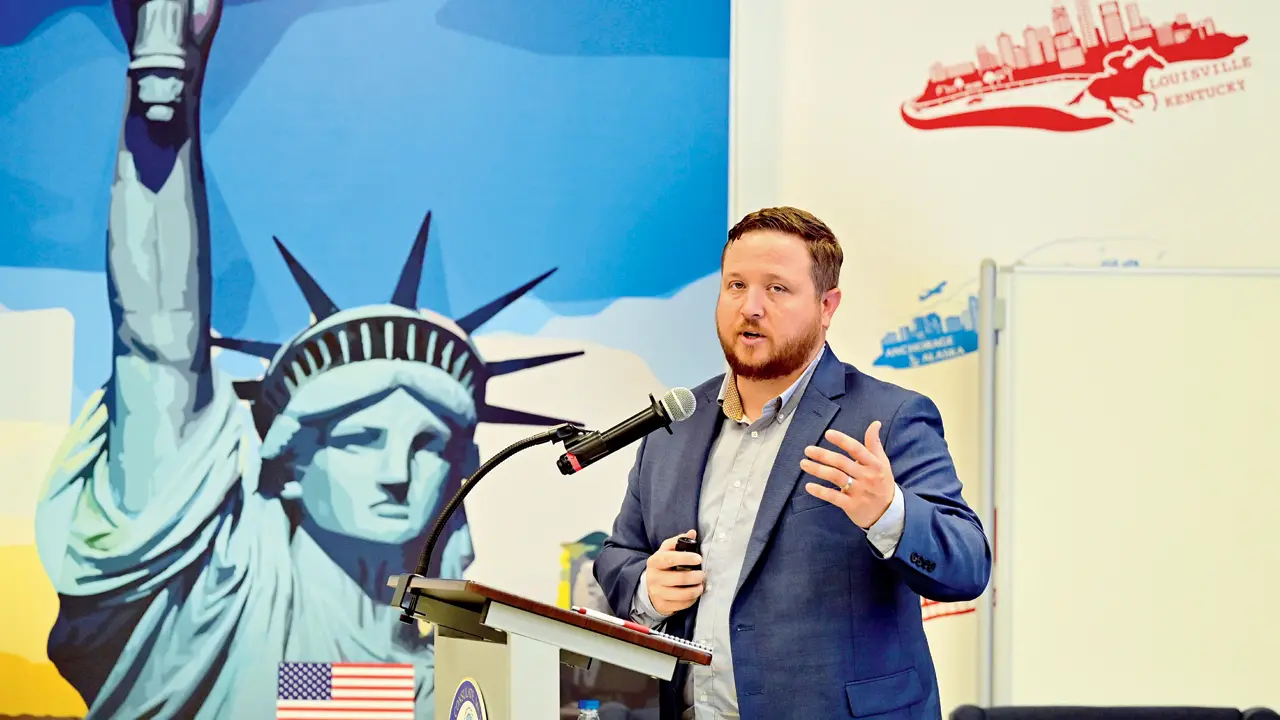
At the heart of this transformation are “smart stadiums” and next-level “fan engagement.” David Steele, the insightful Director of Sports Tech at the Plug and Play Tech Center in Texas, recently shed light on this groundbreaking fusion. Speaking at the US Consulate in Bandra, Mumbai, Steele emphasized that technology isn’t just an add-on; it’s the very engine driving the future of major events like the FIFA World Cup 2026 across the USA, Canada, and Mexico.
What exactly does a ‘smart stadium’ entail? Think beyond merely getting a good seat. We’re talking about hyper-connected venues where everything, from seamless entry via facial recognition to personalized real-time stats delivered straight to your smartphone, is optimized. Imagine ordering food and merchandise from your seat with a tap, bypassing queues, or experiencing augmented reality overlays that bring replays and player data to life right before your eyes. These stadiums aren’t just concrete and steel; they’re data-driven ecosystems designed for ultimate convenience and unparalleled excitement.
And ‘fan engagement’? That’s where the magic truly happens. It’s about transforming spectators into active participants. Interactive apps, gamified experiences, virtual reality tours of team locker rooms, and personalized content streams mean that whether you’re in the stands or watching from half a world away, you’re deeply connected to the game. It’s about building a global community, making every pass, every goal, and every celebration feel intensely personal. This isn’t just about watching; it’s about experiencing the World Cup like never before.
David Steele’s Tech Talk: A Global Exchange
Steele’s recent visit to India wasn’t just a casual stop; it was the culmination of a three-city US Mission India engagement, specifically designed to forge stronger bonds between the US and Indian sports tech ecosystems. As the Director of Sports Tech for Plug and Play, a global innovation platform connecting startups, corporations, and investors, Steele is uniquely positioned to spot and foster the technologies that will shape tomorrow. His Mumbai roundtable, “US-India Sports Tech Exchange,” served as a dynamic platform for discussing innovation exchange opportunities and crafting collaborative pathways.
He highlighted how the amalgamation of sport with technology is a “game-changer in the modern age.” For India, which is rapidly becoming a global tech powerhouse, matching these innovations isn’t just an aspiration – it’s a natural progression. The discussions weren’t just theoretical; they aimed to identify concrete ways Indian start-ups could leverage US expertise and market access, and conversely, how Indian ingenuity could contribute to the global sports tech landscape.
Why US-India Collaboration is Key
The partnership between the US and India in sports tech isn’t just beneficial; it’s symbiotic. The US, with its vast sports market and established tech infrastructure, offers an incredible sandbox for innovation and scalability. India, on the other hand, brings a massive talent pool, particularly in software development, AI, data analytics, and digital innovation – areas crucial for advancing sports technology.
For Indian start-ups, this collaboration means potential access to mentorship, funding, and a global stage to showcase their solutions. Imagine an Indian-developed AI analytics tool helping a major US sports league optimize player performance, or a fan engagement platform built in Bengaluru enhancing the spectator experience at a FIFA World Cup match in New York. The exchange of ideas, technologies, and talent fosters a fertile ground for co-creation and accelerates the pace of innovation for both nations. It’s about more than just technology transfer; it’s about a shared vision for the future of sports.
The Bigger Picture: A Sports Tech Boom
The focus on the FIFA World Cup 2026 is just one facet of a broader sports tech boom. From performance analytics and wearable tech that optimizes athlete training to advanced broadcasting techniques and personalized media consumption, technology is permeating every aspect of sports. Data is becoming as crucial as the ball itself, enabling teams to strategize better, athletes to perform at their peak, and fans to engage more deeply. The insights shared by Steele underline that the upcoming World Cup isn’t just a showcase for football, but also a grand stage for the future of sports technology.
Looking Ahead
As we edge closer to 2026, the promise of a technologically advanced FIFA World Cup powered by smart stadiums and unprecedented fan engagement is becoming a vivid reality. The collaborative spirit fostered by initiatives like the US-India Sports Tech Exchange ensures that this revolution is global, inclusive, and constantly evolving. So, whether you’re a die-hard football fan, a budding tech entrepreneur, or simply curious about the future, get ready to witness a spectacular fusion of athleticism and innovation. The game, quite literally, is changing.
Why This Matters
The integration of cutting-edge technology into major sporting events like the FIFA World Cup 2026 isn’t just about enhancing entertainment; it represents a significant leap forward in how we interact with and consume sports. This shift impacts everything from urban infrastructure and economic development in host cities to the global growth of the sports tech industry. Furthermore, international collaborations, like those between the US and India, highlight the power of shared innovation in driving progress and creating new opportunities across borders, ultimately shaping a more connected and engaging future for sports worldwide.