
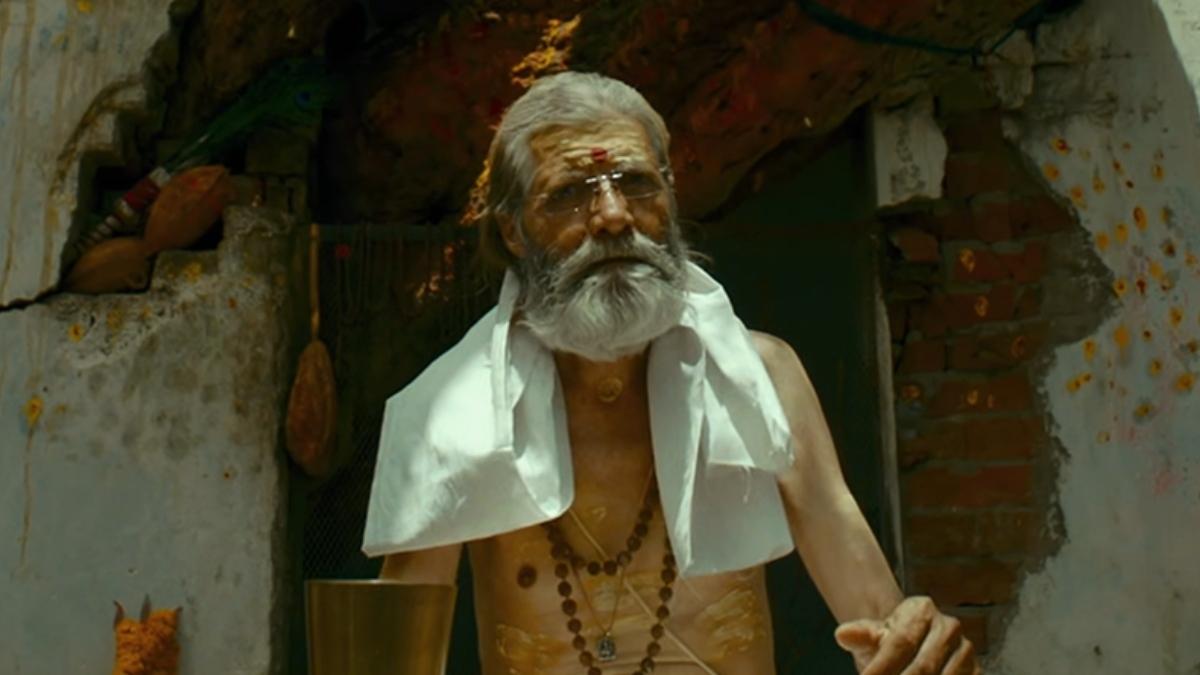
Sometimes, a film hits you not just with a story, but with a mirror. ‘Dug Dug’, the latest cinematic offering, is precisely that kind of movie. It’s a riotous, yet deeply thought-provoking satire that takes a hard, empathetic look at how belief can transform into big business, and how readily we’re all willing to buy in. Forget your typical dramas; this one zooms past with the rumble of a Royal Enfield and leaves you pondering long after the credits roll.
The Unlikely Genesis of a Deity
The story kicks off in the dusty, unassuming village of Dharampur, a place where life meanders at its own pace until a fateful night. Shankar, a local lad, meets an untimely end in a road accident, his beloved ‘Dug Dug’ motorcycle – a distinctive Royal Enfield – lying beside him. What starts as a tragic incident quickly morphs into something far more extraordinary. The villagers, grappling with loss and searching for meaning, begin to attribute inexplicable phenomena to the bike. A flickering light, an unbroken mirror – small observations snowball into miraculous signs.
Soon, the accident site becomes a magnet. People start offering prayers, leaving offerings, and seeking blessings from the now-sacred two-wheeler. It’s a fascinating, almost absurd, transformation that ‘Dug Dug’ portrays with a keen eye for human nature. The film doesn’t waste time lamenting the “foolishness” of the villagers; instead, it dives straight into the compelling, often comical, evolution of this spontaneous faith.
From Tragedy to Tourist Trap: The Business of Belief
This is where ‘Dug Dug’ truly shines as a satire. What begins as genuine, if misguided, veneration quickly attracts the attention of those with an eye for opportunity. Local entrepreneurs, opportunistic politicians, and even Shankar’s own family members realize they’ve stumbled upon a goldmine. The makeshift shrine around the motorcycle blossoms into a bustling pilgrimage site.
Suddenly, you have vendors selling miniature ‘Dug Dug’ replicas, holy water from a nearby well rebranded as “Dug Dug Jal,” and donation boxes overflowing. Festivals are organized, legends are fabricated, and a meticulously crafted narrative of miracles begins to take shape. The film brilliantly dissects the mechanics of how belief systems are not just born from spiritual yearning but can be carefully cultivated and monetized. It’s a masterclass in showing how easily devotion can be packaged and sold, turning tragedy into a thriving spiritual enterprise.
A Mirror to Modern Society
‘Dug Dug’ isn’t just about a remote village; it’s a microcosm of our modern world. In an era saturated with information, misinformation, and the constant search for something to believe in – be it a wellness trend, a social media guru, or a political ideology – the film’s message resonates powerfully. It pokes fun at our collective eagerness to suspend disbelief, our need for simple answers, and our susceptibility to charismatic storytelling, especially when it promises hope or prosperity.
The satire is sharp but never cynical. It highlights the absurdities without ridiculing the believers themselves. Instead, it invites us to reflect on the societal conditions that create such fertile ground for manufactured faith, from economic desperation to a longing for community and belonging.
Empathy Amidst the Absurdity
What elevates ‘Dug Dug’ beyond mere parody is its profound sense of empathy. Beneath the hilarious machinations of the “faith industry,” the film reveals the genuine human emotions at play. There’s the sincere grief of Shankar’s family, the villagers’ earnest search for divine intervention in their tough lives, and the solace they find in a shared belief, however peculiar its origin.
The movie doesn’t judge; it observes. It understands that while the “business” of belief can be exploitative, the act of believing itself often stems from a deeply human, universal need for comfort, hope, and connection. This nuanced approach makes the film’s critique even more potent, as it forces us to confront not just the charlatans, but also the underlying vulnerabilities that make us all susceptible.
A Cinematic Journey Worth Taking
The direction is crisp, allowing the narrative to unfold naturally, giving space for both the humor and the pathos to breathe. The performances from the ensemble cast are wonderfully understated, grounding the fantastical premise in a relatable reality. Each character, from the eager vendors to the conflicted family members, feels authentic and adds another layer to the film’s rich tapestry.
‘Dug Dug’ is a timely cinematic experience. It reminds us that while the objects of our devotion might change, the human impulse to believe, and the entrepreneurial spirit to capitalize on it, remains a constant across time and cultures.
Why This Matters
In an increasingly complex world, ‘Dug Dug’ offers a humorous yet profound meditation on the blurred lines between faith, folklore, and commerce. It encourages us to critically examine where our beliefs come from, who benefits from them, and what role they play in our communities, all while delivering a thoroughly entertaining watch.