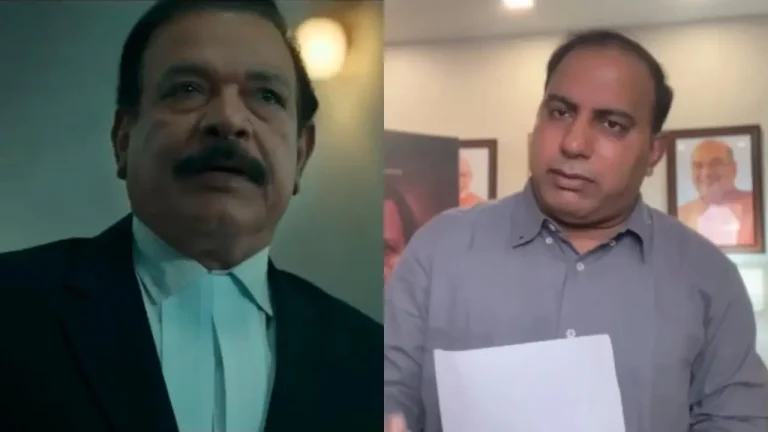
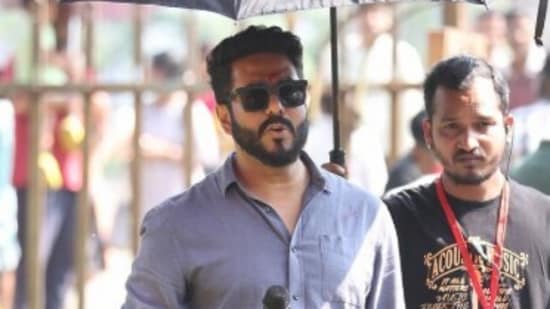
In a significant development echoing the dramatic shift in West Bengal’s political landscape, acclaimed Bengali film director Raj Chakraborty has announced his decision to step away from active politics. The move comes swiftly on the heels of the 2026 West Bengal assembly elections, where his party, the Trinamool Congress (TMC), faced a historic defeat, and Chakraborty himself lost his bid for a seat from the Barrackpore constituency.
A New Dawn in West Bengal
The 2026 assembly elections have undeniably ushered in a new era for West Bengal. After more than a decade at the helm, Chief Minister Mamata Banerjee’s Trinamool Congress was unseated by Narendra Modi’s Bharatiya Janata Party (BJP). The TMC had enjoyed a formidable run since 2011, transforming the state’s political dynamics and cementing its place as a dominant regional force. Their defeat marks a monumental shift, ending an era and signaling a fresh chapter for the state’s governance and political discourse.
This electoral upheaval created ripples across all political camps, forcing many, including high-profile figures, to re-evaluate their roles and futures within the newly configured power structure. Raj Chakraborty’s announcement is one of the more prominent personal consequences of this sweeping change.
From Lens to Legislature: Raj Chakraborty’s Political Foray
Before his venture into politics, Raj Chakraborty was a household name in Bengal’s entertainment industry. Renowned for directing a string of successful commercial films and television serials, he built a strong connection with the Bengali audience through his creative work. His entry into politics on a Trinamool Congress ticket was part of a broader trend in West Bengal, where celebrities often lend their star power to political parties, hoping to translate their popularity into votes.
Celebrities, particularly from the vibrant Bengali film and television industry, have a long history of participation in West Bengal politics. Their charisma and immediate recognition can be powerful assets during election campaigns. For many, the transition from screen to political stage is seen as an opportunity to serve the public on a larger platform, using their influence to bring about change. Chakraborty’s decision to join the TMC and contest from Barrackpore was seen as a strategic move by the party to leverage his appeal.
The Barrackpore Battleground
The Barrackpore constituency, from which Raj Chakraborty contested, is known to be a diverse and often keenly fought electoral battleground. Located in the North 24 Parganas district, it’s a region with a mix of industrial pockets, urban areas, and a significant population. Constituencies like Barrackpore often reflect the broader political pulse of the state and can be particularly challenging for newcomers, even those with celebrity status, given the entrenched local political dynamics and voter expectations.
While the specifics of his campaign and the reasons for his defeat are multi-faceted, it’s clear that the overarching wave favoring the BJP proved too strong to overcome for many TMC candidates, including Chakraborty. His loss in Barrackpore is thus not just a personal defeat but also indicative of the powerful anti-incumbency sentiment and the BJP’s strategic inroads into key areas.
A Graceful Exit: Best Wishes to the New Government
In his announcement, Raj Chakraborty stated he is “putting a stop to his journey in politics,” an unequivocal declaration of his intent to step back. Notably, he also extended his “best wishes to the new government.” This gesture of goodwill, despite his own electoral setback and his party’s comprehensive defeat, is a testament to a certain political etiquette. It signifies an acceptance of the democratic outcome and a professional approach to transitioning away from the political arena.
Such a statement, though brief, carries weight. It suggests a desire for constructive progress for the state, irrespective of party affiliations, and a recognition of the mandate given by the voters. For a figure who only recently entered the political fray, this graceful departure offers a dignified conclusion to his chapter in electoral politics.
What Next for Raj Chakraborty?
With his political journey now paused, speculation naturally turns to Raj Chakraborty’s future. It’s widely anticipated that he will return to his first love and profession: filmmaking. The entertainment industry, particularly in Bengal, constantly seeks fresh narratives and seasoned visionaries. A director of his caliber, having taken a hiatus, might find renewed vigor and perspective to helm new projects, bringing his experiences, even from the political sphere, to his creative work.
His return to cinema would be welcomed by many fans who followed his career before his political plunge. The demands of politics – the constant campaigning, the public scrutiny, the ideological battles – are vastly different from the creative process of filmmaking. It’s possible that the intensity of political life, combined with the electoral outcome, has led him to reflect on where his true passion and effectiveness lie.
Why This Matters
Raj Chakraborty’s exit from politics highlights several crucial aspects of modern Indian democracy and celebrity engagement in public life. Firstly, it underscores the unpredictable and often brutal nature of electoral politics, even for well-known personalities. Star power, while helpful, is rarely a guarantee of success, especially when larger political currents are at play.
Secondly, it exemplifies the significant shift in West Bengal’s political landscape. The BJP’s victory and the TMC’s defeat are not just numerical changes but represent a profound reorientation of voter preferences and political power. Chakraborty’s decision is a direct consequence of this larger transformation.
Finally, it reflects on the often-challenging balance between a public figure’s primary profession and their political aspirations. His dignified withdrawal, coupled with best wishes for the new government, offers a template for how public figures can navigate political defeats with grace, potentially paving the way for a return to their original callings with renewed focus.