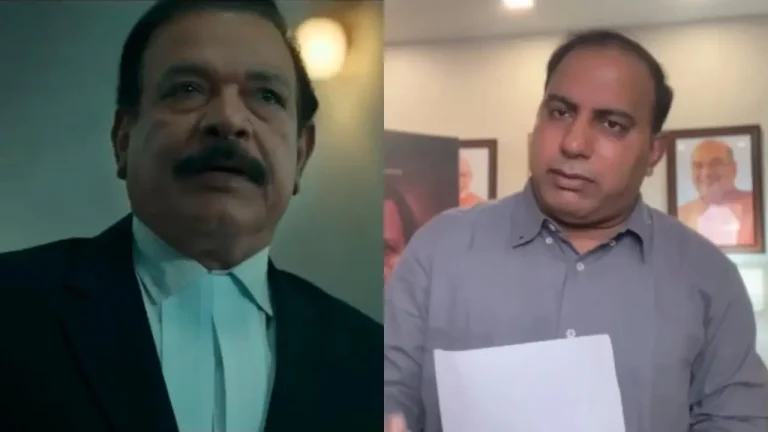

West Bengal is buzzing, not just with the echoes of a historic election, but with a fresh controversy involving one of its most recognizable faces: actor-turned-politician Dev. Just as the dust settled on a truly seismic political shift, Dev found himself at the center of a social media storm, prompting a swift and vocal denial. The Trinamool Congress (TMC) leader and beloved film star is vehemently pushing back against what he claims are “manipulated videos” designed to mislead the public, emphatically stating, “Bengal has never believed in culture of hatred.”
A New Political Landscape, A Viral Storm
The political ground in West Bengal has shifted dramatically. The Bharatiya Janata Party (BJP) achieved a landslide victory, securing 207 seats in the 294-member assembly. This monumental win brought an end to the Trinamool Congress’s uninterrupted 15-year reign, marking a new chapter for the state. In the highly charged aftermath of such an impactful election, every word, every image, and every public figure is under intense scrutiny. It’s against this backdrop that videos began circulating widely across social media platforms, purportedly showing various individuals labeling Dev a “thief.” The accusations, vague yet damaging, quickly gained traction, fueling speculation and outrage.
Dev Breaks Silence: Fighting Fire with Truth
Faced with a rapidly escalating smear campaign, Dev, known for his calm demeanor and popular appeal, took to his official Facebook account to address the allegations head-on. In a strongly worded statement, which the original report only partially referenced, Dev didn’t just deny the accusations; he framed them within the larger context of Bengal’s political ethos. He unequivocally flagged the videos as “fake and misleading,” asserting they were manufactured with the express intent to “mislead people.”
His poignant declaration, “Bengal has never believed in culture of hatred,” wasn’t just a personal defense; it was an appeal to the collective conscience of the state. It underscored his belief that such tactics run contrary to the very spirit of Bengali politics and its celebrated cultural values. He implored his followers and the wider public to exercise caution and discernment, warning against the easy consumption of unverified information, especially in a volatile post-election environment.
The Digital Wild West of Politics
This incident isn’t isolated; it’s a stark reminder of the evolving challenges in modern political discourse, particularly in the age of social media. With sophisticated editing tools becoming increasingly accessible, the line between authentic content and digitally manipulated material is blurrier than ever. From deepfakes to cleverly edited soundbites taken out of context, the potential for digital deception to sway public opinion is immense.
For public figures like Dev, whose image is central to their political and professional careers, such campaigns can be incredibly damaging, regardless of their veracity. The speed at which these videos spread, often amplified by partisan accounts, means that refutations, no matter how swift, often struggle to catch up with the initial wave of misinformation. This creates a challenging environment where perception can quickly supersede reality.
A Plea for Principled Discourse
Dev’s response transcends mere damage control. It’s a call for a return to principled political discourse. By invoking Bengal’s historical rejection of a “culture of hatred,” he’s appealing to a higher standard of engagement, one that prioritizes truth, respect, and constructive debate over malicious rumor-mongering. His statement reflects a concern not just for his own reputation, but for the integrity of the democratic process itself. In a highly polarized political landscape, leaders like Dev face the dual challenge of campaigning effectively while also combating the insidious spread of disinformation. His stand serves as a crucial reminder for citizens to question, verify, and critically analyze the content they encounter online.
Why This Matters
In an era dominated by digital communication, the incident involving Dev highlights a critical threat to democratic processes: the unchecked spread of manipulated media. When viral content, regardless of its truthfulness, can influence public perception and cast a shadow over elected representatives, it erodes trust in institutions and undermines fair political discourse. This situation underscores the urgent need for enhanced media literacy among the public, greater accountability from social media platforms, and a collective commitment from all political actors to uphold ethical standards, ensuring that elections are fought on ideas and policies, not on fabricated narratives and personal attacks. Protecting the integrity of information is paramount for a healthy democracy.