The eyes of the world are fixed on Tehran today as news breaks that Iran is actively reviewing a comprehensive peace proposal put forth by the United States. This development comes amidst escalating tensions in the region and intense diplomatic pressure, spearheaded by former — or potentially current, given the May 2026 date — President Donald Trump, who is reportedly pushing hard for an agreement to end the protracted conflict between Iran and Israel. The high-stakes negotiations signal a potentially pivotal moment in one of the most volatile geopolitical standoffs of our time.
### The Diplomatic Tightrope
Sources close to the ongoing diplomatic efforts indicate that the U.S. proposal is extensive, aiming to lay the groundwork for a lasting cessation of hostilities between Iran and Israel. While the specifics remain under wraps, analysts suggest it likely addresses core security concerns, potential de-escalation mechanisms, and perhaps even economic incentives for compliance. Such a deal would undoubtedly be a complex tapestry woven from concessions and compromises from all sides, requiring immense political will and strategic foresight.
The mere fact that Iran is reviewing the document marks a significant step. For years, direct and indirect clashes, cyber warfare, and proxy conflicts have defined the relationship, turning the Middle East into a tinderbox. A U.S.-brokered deal, if accepted, could fundamentally reshape the regional power dynamic and offer a pathway to stability that has long seemed elusive.
### Trump’s Urgent Push
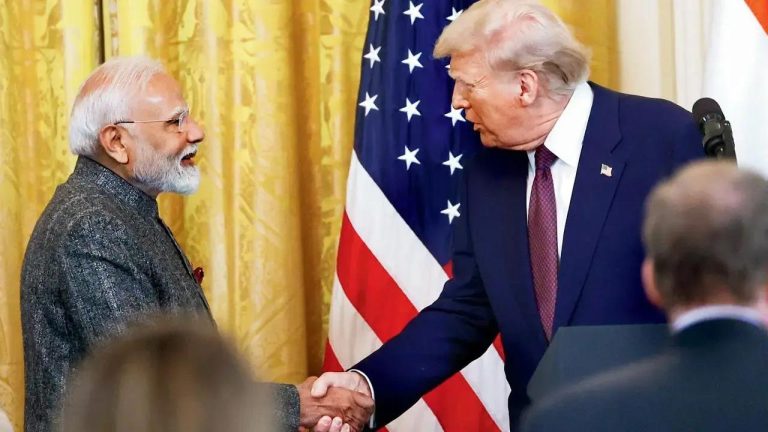
Adding a familiar and distinct flavor to the diplomatic landscape is the active involvement of Donald Trump. Known for his “deal-maker” persona, Trump is reportedly exerting considerable pressure on Tehran to accept the U.S. terms. His approach, often characterized by a mix of public rhetoric and behind-the-scenes leverage, suggests a desire to secure a landmark agreement.
Observers speculate that Trump’s intense focus on this deal could stem from various motives: a drive to cement a legacy of peacemaking, a strategic move to reassert American influence, or even a pre-election push if he is once again vying for the presidency. Regardless of the underlying reasons, his direct involvement amplifies the urgency and gravity of the current negotiations. His previous diplomatic forays, such as the Abraham Accords, demonstrate his capacity for unexpected breakthroughs, making his current efforts particularly noteworthy.
### Iran’s Deliberation: A Complex Calculus
For Iran, the decision to accept or reject the U.S. proposal is fraught with geopolitical and domestic implications. The internal debate within the Iranian leadership will be intense, weighing national security interests, regional influence, economic pressures (likely exacerbated by existing sanctions), and ideological considerations.
Accepting a deal might offer much-needed relief from international isolation and sanctions, potentially stimulating their economy and improving living standards for its citizens. However, it would also require significant concessions, potentially impacting its strategic military programs and regional alliances. Conversely, rejection risks further escalation, deeper international isolation, and continued economic hardship. This isn’t just about foreign policy; it’s about the very fabric of their political and economic future. Every clause, every condition in the U.S. proposal will be scrutinized with an eye towards its long-term impact on the Islamic Republic.
### The Stakes Couldn’t Be Higher
The Iran-Israel conflict is not merely a regional spat; it has global ramifications. A full-blown war could destabilize energy markets, trigger a massive refugee crisis, and draw in other international players, potentially leading to an even wider and more catastrophic conflict.
Conversely, a successful peace deal could unlock unprecedented opportunities for regional cooperation, economic development, and a reduction in global tensions. It could set a precedent for resolving other long-standing conflicts and demonstrate the power of diplomacy even in the most intractable situations. The current moment feels like a knife-edge, with the potential for either profound disaster or a monumental step towards peace.
### A Region on Edge
Across the Middle East, leaders and citizens are watching developments with bated breath. Countries that have long sided with or against the principal belligerents will be calibrating their own positions based on the outcome of these talks. Regional alliances could shift, security architectures could be redrawn, and the very concept of peace in a historically turbulent region could be redefined. From Riyadh to Cairo, Beirut to Baghdad, the ripple effects of Tehran’s decision will be felt far and wide.
### What Comes Next?
The ball is now in Iran’s court. Their review process could take days or weeks, involving intricate discussions and potential counter-proposals. The world waits to see if this diplomatic overture will culminate in a breakthrough that finally brings an end to a conflict that has cast a long shadow over the Middle East, or if it will simply add another chapter to a long history of stalled negotiations. For now, the hope, however cautious, remains.
### Why This Matters
This moment is critical because it represents a rare, tangible opportunity to de-escalate a conflict with the potential for global catastrophe. A successful resolution could usher in an era of unprecedented stability in the Middle East, protect global economic interests, and save countless lives. Failure, however, could plunge the region into deeper turmoil, with unpredictable and devastating consequences for everyone. It’s a testament to the enduring human quest for peace, even amidst the greatest adversaries.