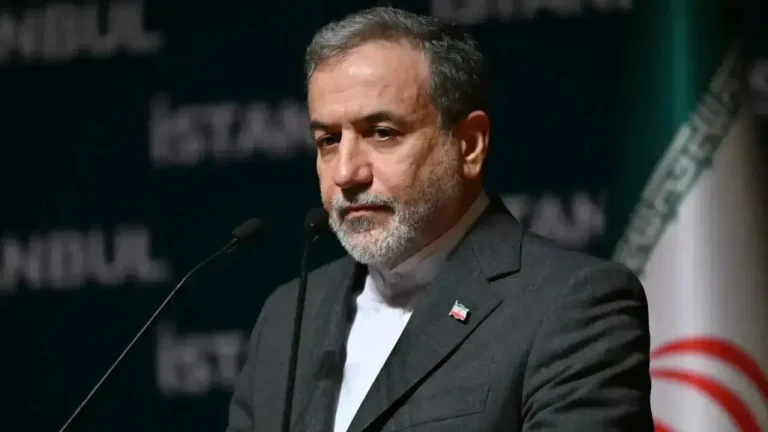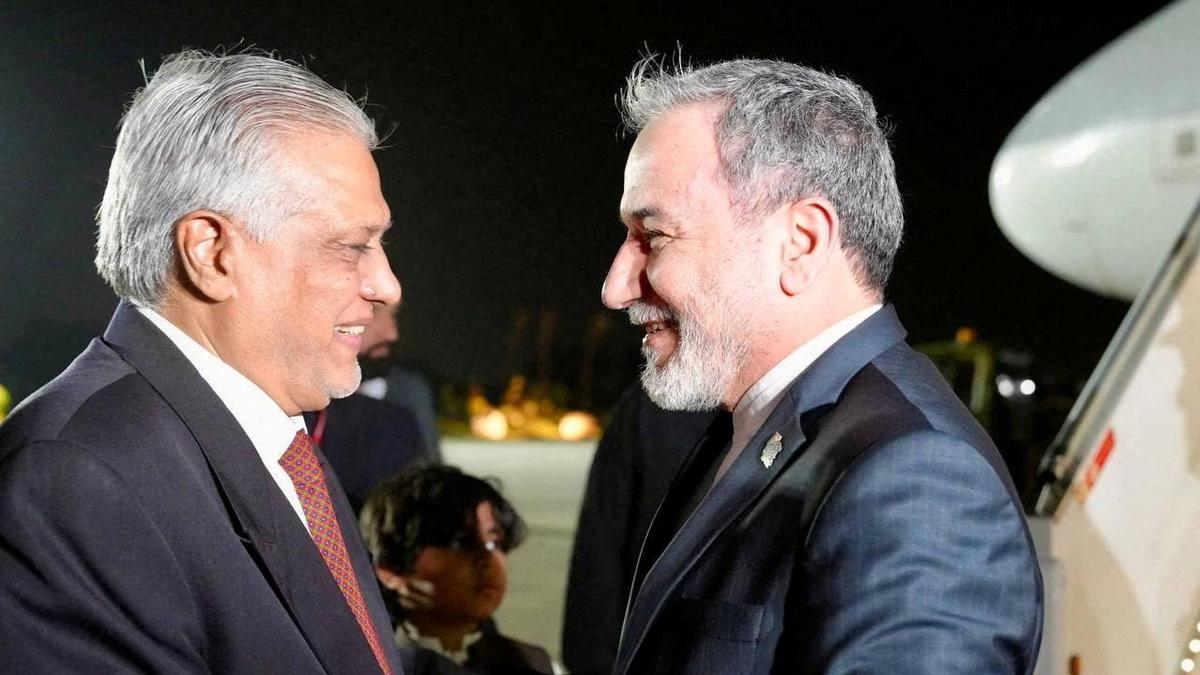
In a significant diplomatic move underlining the complexities of contemporary geopolitics, Pakistan’s Foreign Minister recently convened with his Iranian counterpart to navigate the intricate tapestry of regional affairs. The high-stakes meeting, which took place against a backdrop of evolving security dynamics and economic imperatives, underscored the shared commitment of both nations to fostering stability and cooperation in a historically volatile part of the world.
### High-Stakes Huddle
The discussion, a crucial engagement for both Islamabad and Tehran, saw top diplomats delving into a wide array of topics. From bolstering bilateral ties and economic collaboration to addressing pressing regional security challenges, the agenda was packed. These aren’t just polite diplomatic niceties; such talks are vital for de-escalating tensions, finding common ground, and charting a path forward in an era defined by rapid geopolitical shifts.
For Pakistan, strengthening ties with its western neighbor is a strategic imperative. Iran, a key player in the Middle East, likewise seeks reliable partners to advance its regional interests and economic resilience. When their foreign ministers meet, it’s a clear signal that both capitals recognize the profound impact their relationship has on the broader Eurasian landscape.
### Deep Dive: What’s on the Agenda?
At the core of the discussion was, naturally, the state of bilateral relations. Both sides reportedly emphasized the need to enhance trade volumes, reduce existing barriers, and explore new avenues for economic cooperation. Energy remains a perennial topic, with discussions likely touching upon existing and potential projects that could benefit both nations, particularly in the gas and electricity sectors. Think cross-border pipelines and power grids – infrastructure that can literally connect economies and foster interdependence.
But beyond the economic ledger, cultural exchanges and people-to-people connections also featured prominently. Diplomacy isn’t just about governments; it’s about understanding and mutual respect between populations. Efforts to streamline visa processes, promote tourism, and facilitate educational exchanges were probably on the table, aiming to build bridges that transcend political differences.
### Navigating Regional Crosscurrents
However, the “regional situation” was undoubtedly the heavyweight topic. This isn’t a simple, clear-cut issue; it’s a complex web of interconnected challenges. Key among these would have been the situation in Afghanistan. Both Pakistan and Iran share long borders with Afghanistan and are profoundly impacted by its stability – or lack thereof. The specter of cross-border terrorism, the flow of refugees, and the humanitarian crisis within Afghanistan remain shared concerns that necessitate close coordination.
The foreign ministers would have discussed strategies to ensure a peaceful and stable Afghanistan, one that doesn’t become a breeding ground for extremist elements or a source of regional instability. This includes, crucially, a unified approach to engaging with the interim Afghan authorities and advocating for an inclusive government that represents all segments of Afghan society.
Beyond Afghanistan, the broader security landscape of the Middle East would have cast a long shadow over the proceedings. The ongoing volatility in the region, including the ripple effects of recent tensions and conflicts, invariably impacts Pakistan and Iran. Discussions would have focused on de-escalation, regional dialogue, and the importance of diplomatic solutions to resolve disputes, emphasizing non-interference in internal affairs and respect for sovereignty.
Border management and security were also likely high on the agenda. Both nations have porous borders, which presents challenges ranging from smuggling to the movement of illicit goods and individuals. Strengthening intelligence sharing, coordinating border patrols, and implementing joint security protocols are practical steps that emerge from such high-level dialogues.
### A Shared Vision for Stability
The meeting likely concluded with a reaffirmation of both countries’ commitment to a peaceful and prosperous region. While specific outcomes weren’t immediately detailed, the very act of foreign ministers engaging in comprehensive dialogue is a testament to the enduring importance of diplomacy in managing complex relationships.
This isn’t just about problem-solving; it’s about setting a tone. By engaging directly, Pakistan and Iran signal their intent to resolve issues bilaterally and to project a united front on certain regional challenges, thereby contributing to a more predictable and stable environment for their citizens and the wider international community.
### Why This Matters
In a world increasingly characterized by geopolitical fragmentation and rising tensions, direct diplomatic engagement between key regional players like Pakistan and Iran is more critical than ever. Their discussions on trade, security, and regional stability directly impact not only their own populations but also hold significant sway over the future of Central and South Asia, and the broader Middle East. When these two nations talk, it sends a clear message about their commitment to dialogue over confrontation, offering a pathway to managing shared challenges and fostering collective prosperity in a turbulent era.