
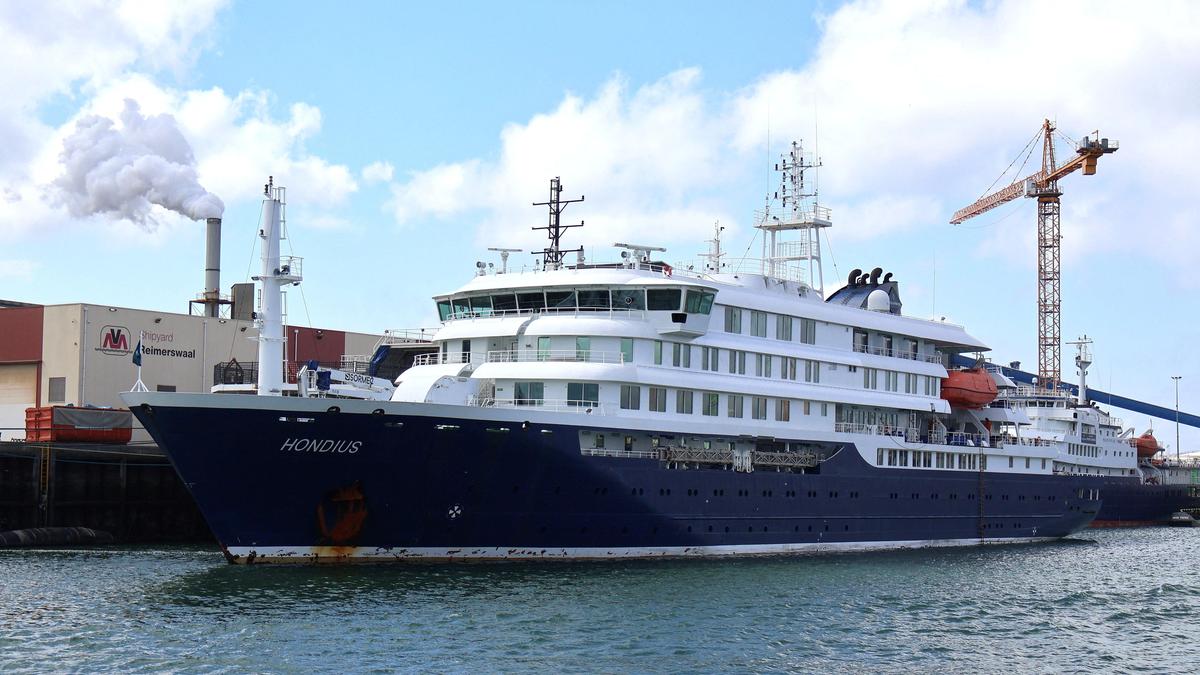
A recent health alert has made waves across global health circles, as news emerged of a Hantavirus outbreak detected on a vessel. While any mention of a viral outbreak can understandably trigger a flutter of concern, the World Health Organization (WHO) has quickly stepped in to reassure the public: the risk of widespread transmission remains low. This swift assessment aims to calm fears and provide a clear, factual overview of the situation.
### Unpacking the Hantavirus Threat
Before diving into the specifics of the current situation, let’s break down what Hantavirus actually is. Hantaviruses are a group of viruses that can cause severe, sometimes fatal, respiratory and kidney diseases in humans. Unlike many common viruses, Hantavirus is typically transmitted to humans through contact with infected rodents or their urine, droppings, or saliva. This usually occurs when people breathe in airborne virus particles from these sources.
Symptoms often mimic the flu initially, including fever, fatigue, muscle aches, headaches, and dizziness, before potentially progressing to more severe conditions like Hantavirus Pulmonary Syndrome (HPS) or Hemorrhagic Fever with Renal Syndrome (HFRS). The key takeaway here is its primary mode of transmission: it’s not typically spread from person to person. This crucial detail is a cornerstone of the WHO’s low-risk assessment for the general public.
### The Maritime Incident: A Contained Challenge
Details regarding the specific vessel and its exact itinerary remain under wraps, as is common in the early stages of such investigations to protect patient privacy and operational security. However, reports confirm an outbreak occurred on a ship, leading to immediate public health measures. A ship environment, while confined, also allows for rapid containment protocols to be enacted. Health authorities and the ship’s crew would have swiftly moved to identify affected individuals, isolate them, and thoroughly disinfect contaminated areas.
The challenges of managing an infectious disease on a vessel are unique. Close quarters could theoretically increase exposure, but the non-human-to-human transmission nature of Hantavirus significantly limits its spread among passengers and crew once the primary rodent source is identified and eliminated. Furthermore, robust public health protocols are in place at ports globally to handle such incidents, ensuring that any potential spread beyond the immediate environment is mitigated.
### WHO Steps In: Calming the Waters
The World Health Organization plays a critical role in global health security, particularly when emerging infectious diseases or outbreaks threaten international public health. Their rapid response and clear communication are vital in preventing panic and ensuring an evidence-based approach to risk management. In this instance, the WHO’s statement that the “risk to the public is low” is a powerful message rooted in scientific understanding and established public health principles.
This assessment isn’t just a casual statement; it’s based on a comprehensive evaluation of several factors. These include the known epidemiology of Hantavirus (its transmission methods), the containment measures implemented on the ship, the global surveillance network, and the fact that most Hantavirus infections are linked to direct environmental exposure rather than casual human contact. The WHO’s involvement underscores a coordinated international effort to monitor the situation, provide guidance to affected nations and shipping authorities, and ensure that appropriate measures are in place to safeguard public health.
### Understanding Public Health Measures
When an outbreak like this occurs, a series of standard public health measures are activated. These typically include:
* Case Identification and Isolation: Quickly finding and isolating anyone showing symptoms to prevent further potential exposure.
* Contact Tracing: While less critical for Hantavirus due to its transmission route, close contacts of infected individuals might still be monitored for symptom development.
* Environmental Remediation: Thorough cleaning and disinfection of the affected areas, especially focusing on rodent control and elimination if that was the source.
* Public Communication: Providing accurate, timely information to prevent misinformation and undue alarm.
* International Collaboration: Sharing information and coordinating responses between countries and international bodies like the WHO.
These measures are designed to not only manage the current situation but also to prevent future occurrences, ensuring that trade and travel can continue safely under appropriate health guidelines.
### Beyond the Headline: What We Know About Hantavirus
It’s important to remember that Hantaviruses are not new. They have been identified in various parts of the world, with different strains causing different clinical syndromes. For example, some strains found in the Americas primarily cause Hantavirus Pulmonary Syndrome (HPS), while those in Europe and Asia are more commonly associated with Hemorrhagic Fever with Renal Syndrome (HFRS). Regardless of the strain, the common denominator is the link to rodents.
While outbreaks can be serious for those infected, they are typically localized. Major widespread public health crises from Hantavirus are rare precisely because of its specific transmission method and the difficulty of human-to-human spread. This historical context further supports the WHO’s current assessment, framing the ship incident as a serious but contained event, rather than a precursor to a wider health emergency.
### Why This Matters
This incident, and the rapid, transparent response from the WHO, highlights the critical importance of global health surveillance and robust communication systems. In our interconnected world, diseases can travel quickly, but so too can accurate information and coordinated responses. By immediately addressing public concerns and clarifying the risks, authorities can prevent unnecessary panic, maintain public trust, and focus resources on effective containment and prevention strategies. It’s a testament to the ongoing vigilance required to manage health threats in an increasingly globalized society.
The key takeaway remains clear: while the detection of Hantavirus on a ship is a serious matter requiring swift action, the specific nature of the virus and the rapid response from health organizations mean that the broader public risk is, thankfully, low. Vigilance, not alarm, is the appropriate response.